Comparing Camping Hammocks for Comfort and Portability
Find the most comfortable and portable camping hammocks. Compare designs, materials, and suspension systems for a relaxing outdoor experience.
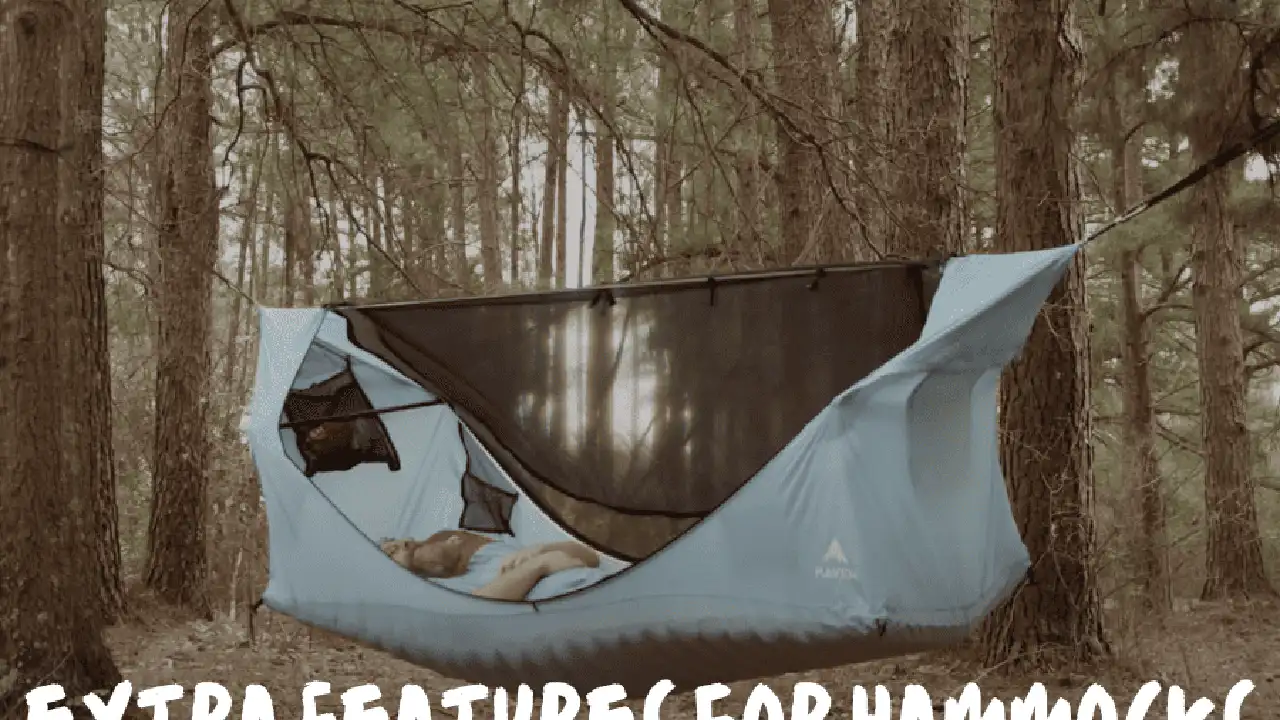
Find the most comfortable and portable camping hammocks. Compare designs, materials, and suspension systems for a relaxing outdoor experience.
Comparing Camping Hammocks for Comfort and Portability
Why Choose a Camping Hammock Over a Tent?
For many outdoor enthusiasts, the traditional tent has long been the go-to shelter for camping. However, a growing number of adventurers are discovering the unparalleled comfort and portability offered by camping hammocks. But why make the switch? Hammocks offer a unique sleeping experience that can often be more comfortable than sleeping on the ground, even with a sleeping pad. They conform to your body, reducing pressure points and allowing for a more natural sleeping position. This can be a game-changer for those with back issues or anyone who struggles to get a good night's sleep on a flat surface. Beyond comfort, hammocks excel in portability. They are typically much lighter and pack down smaller than most tents, making them ideal for backpacking, thru-hiking, or any adventure where weight and space are critical. Setting up a hammock is often quicker and simpler than pitching a tent, especially in uneven or rocky terrain where finding a flat spot for a tent can be a challenge. With a hammock, all you need are two sturdy anchor points, like trees, and you're ready to relax. Furthermore, hammocks offer a unique connection to nature. Suspended above the ground, you can enjoy a gentle sway, a refreshing breeze, and an unobstructed view of the stars, truly immersing yourself in the outdoor environment. They also leave a smaller footprint, as they don't require clearing a large patch of ground, making them a more environmentally friendly option for some campers. While tents certainly have their place, especially in harsh weather or for larger groups, the advantages of camping hammocks in terms of comfort, portability, and immersive experience are compelling reasons to consider them for your next outdoor adventure.Key Features to Consider When Buying a Camping Hammock
When diving into the world of camping hammocks, it's easy to get overwhelmed by the sheer variety of options available. To make an informed decision and find the perfect hammock for your needs, it's crucial to understand the key features that differentiate them. Each element plays a significant role in the hammock's comfort, durability, portability, and overall suitability for different camping scenarios.Hammock Material and Durability
The material of your hammock is paramount, directly impacting its strength, weight, and feel. Most camping hammocks are made from ripstop nylon, a lightweight yet incredibly strong fabric. Denier (D) is a common measurement for fabric density; a higher denier count generally means a more durable, but also heavier, fabric. For instance, 70D ripstop nylon is a popular choice, offering a good balance of strength and weight. Some hammocks use even lighter materials like 30D or 40D for ultralight backpacking, while others might opt for heavier 210D nylon for maximum durability and higher weight capacities. Beyond denier, consider the weave and treatment of the fabric. Ripstop weaves prevent small tears from spreading, a crucial feature for outdoor gear. Some fabrics are treated for water resistance, though this is more common in tarps than the hammock body itself. The quality of stitching is also vital; look for triple-stitched seams for enhanced durability and safety.Hammock Size and Capacity for Comfort
Hammock size refers to both length and width. A longer hammock (typically 9-11 feet) allows for a flatter, more comfortable diagonal lay, which is key to avoiding the 'banana' shape that can cause back discomfort. Wider hammocks (5-6 feet) also contribute to comfort, providing more fabric to spread out and achieve that flat lay. Consider your height; taller individuals will definitely benefit from longer hammocks. Capacity refers to the maximum weight the hammock can safely hold. Single hammocks usually support around 250-350 lbs, while double hammocks can often hold 400-500 lbs. Even if you plan to camp solo, a double hammock can offer extra space and comfort, allowing you to spread out more. However, remember that a larger hammock will also be heavier and bulkier.Suspension Systems and Ease of Setup
The suspension system is what connects your hammock to the trees. The most common and user-friendly options are tree straps. These wide, flat straps are tree-friendly, distributing weight broadly to prevent damage to bark. They are also incredibly easy to use, often featuring daisy chains or multiple loops that allow for quick and precise adjustment of hammock tension and height. Rope-based systems are lighter but can be harder on trees and require knot-tying skills. Some hammocks come with integrated suspension, while others require you to purchase it separately. Look for systems that are intuitive to set up and adjust, as this will significantly impact your camping experience, especially after a long day of hiking.Integrated Bug Nets and Rain Tarps for Protection
Protection from insects and rain is crucial for comfortable hammock camping. Many hammocks come with an integrated bug net, which zips around the hammock to create a bug-free enclosure. This is a highly recommended feature, especially in humid or forested areas. If your hammock doesn't have one, you'll need to purchase a separate bug net. For rain protection, a rain tarp (also known as a rain fly or fly tarp) is essential. This is a separate piece of waterproof fabric that pitches above your hammock, creating a protective canopy. Tarps come in various shapes and sizes (e.g., rectangular, hexagonal, asymmetrical) offering different levels of coverage and weight. Consider the climate you'll be camping in; a larger tarp provides more coverage in heavy rain, while a smaller, lighter one might suffice in drier conditions. Some hammocks are sold as complete systems with integrated bug nets and matching tarps, offering a convenient all-in-one solution.Weight and Packability for Backpacking
For backpackers, every ounce counts. The weight and packability of your hammock system are critical considerations. Ultralight hammocks can weigh as little as 10-15 ounces (hammock only), while a full system with a bug net, tarp, and suspension can range from 2-5 lbs. Consider the trade-off between weight and durability/features. A lighter hammock might use thinner fabric, potentially sacrificing some longevity. Packability refers to how small the hammock system compresses. Look for hammocks that come with a stuff sack or integrated stuff sack for easy packing. The goal is to minimize bulk in your backpack, leaving room for other essential gear. If you're primarily car camping, weight and packability might be less of a concern, allowing you to prioritize comfort and features.Top Camping Hammocks for Ultimate Relaxation
Let's explore some of the best camping hammocks on the market, each offering a unique blend of features, comfort, and portability. We'll look at specific models, their ideal use cases, and what makes them stand out.ENO DoubleNest Hammock: The Versatile Favorite
The ENO (Eagles Nest Outfitters) DoubleNest Hammock is arguably one of the most popular and recognizable camping hammocks, and for good reason. It's a fantastic all-rounder, offering a great balance of comfort, durability, and ease of use. Made from high-strength, breathable 70D nylon taffeta, it's soft to the touch yet incredibly robust, capable of holding up to 400 lbs. Its generous dimensions (9'4" x 6'2") make it incredibly comfortable for a single person to spread out diagonally, or cozy enough for two people to share. The DoubleNest packs down to the size of a grapefruit (approx. 5" x 5.5") and weighs just 19 ounces (without suspension), making it highly portable for backpacking, day trips, or just lounging in the backyard. It features durable aluminum wiregate carabiners for easy attachment to suspension systems (sold separately). ENO offers a wide range of compatible accessories, including their popular Atlas and Atlas XL tree straps, bug nets (Guardian SL Bug Net), and various rain tarps (ProFly Rain Tarp, HouseFly Rain Tarp), allowing you to build a complete system tailored to your needs. The DoubleNest is incredibly versatile, suitable for casual campers, weekend warriors, and even some backpackers who prioritize comfort. Its wide availability and extensive accessory ecosystem make it a safe and reliable choice for anyone looking to get into hammock camping. The price typically ranges from $70-$80 for the hammock itself, with suspension systems and tarps adding to the total cost.
Warbonnet Outdoors Blackbird XLC: The Backpacker's Dream
For serious backpackers and thru-hikers who demand ultimate comfort, protection, and minimal weight, the Warbonnet Outdoors Blackbird XLC is often considered the gold standard. This is a highly engineered, asymmetrical hammock designed for a superior diagonal lay, which is crucial for a flat and comfortable night's sleep. What sets the Blackbird XLC apart is its integrated bug net and unique 'footbox' design, which provides extra space for your feet, preventing them from pressing against the bug net. It also features a built-in 'shelf' or 'storage pocket' on the side, perfect for keeping small essentials like a headlamp, phone, or water bottle within easy reach. The XLC (Extra Long and Comfortable) version is particularly popular for taller individuals or those who simply want more room. It's available in various fabric weights, from ultralight 1.0 oz Ripstop Nylon (for a total hammock weight around 20-24 oz) to more durable 1.7 oz Ripstop Nylon, allowing you to customize based on your weight and durability needs. Warbonnet also offers excellent suspension options, including their popular Whoopie Slings and Tree Huggers, which are lightweight and highly adjustable. While the Blackbird XLC is a premium product with a higher price point (typically $180-$220 for the hammock only, excluding tarp), its exceptional comfort, integrated features, and robust construction make it a worthwhile investment for those spending extended periods in the backcountry. It's ideal for multi-day backpacking trips, thru-hiking, and anyone seeking a truly optimized hammock camping experience.
Hennessy Hammock Expedition Asym: The All-in-One Solution
Hennessy Hammock is renowned for its innovative, all-in-one hammock systems, and the Expedition Asym is a prime example. This hammock comes as a complete package, including the hammock, an integrated asymmetrical bug net, and a matching rain fly, all designed to work seamlessly together. The asymmetrical design allows for a comfortable diagonal lay, and the patented 'bottom entry' system (where you enter through a slit in the bottom of the hammock that seals shut under your weight) eliminates the need for a side zipper, reducing potential failure points and weight. The Expedition Asym is made from durable 70D nylon taffeta and supports up to 250 lbs. It weighs approximately 2 lbs 12 oz for the entire system, which is impressive considering it includes a tarp. The included suspension system uses strong polyester ropes and tree hugger straps, making setup straightforward. Hennessy Hammocks are particularly popular among adventurers who want a reliable, fully integrated shelter system without having to piece together separate components. They are excellent for backpacking, general camping, and even survival situations due to their robust design and comprehensive protection. The price for the Hennessy Hammock Expedition Asym typically ranges from $180-$200, offering excellent value for a complete, high-quality hammock camping setup. It's a great choice for those who want simplicity and reliability right out of the box.
Grand Trunk Skeeter Beeter Pro: Budget-Friendly Bug Protection
If you're looking for a comfortable hammock with integrated bug protection that won't break the bank, the Grand Trunk Skeeter Beeter Pro is an excellent option. This hammock features a built-in, no-see-um mosquito net that zips completely around the hammock, providing full insect protection. Made from durable 70D parachute nylon, it's soft, breathable, and capable of holding up to 400 lbs. Its dimensions (10'6" x 5') offer ample space for a comfortable diagonal lay for most users. The Skeeter Beeter Pro weighs around 26 ounces (without suspension) and packs down compactly. It includes S-hooks for attachment, but like the ENO, you'll need to purchase tree straps separately (Grand Trunk's Tree Straps are a good match). This hammock is a fantastic choice for campers who frequently encounter mosquitoes and other biting insects but are working with a more modest budget. It's perfect for casual camping, backyard lounging, and even shorter backpacking trips where integrated bug protection is a priority. While it doesn't come with a rain tarp, its affordable price point (typically $80-$90 for the hammock) leaves room in your budget to add a separate tarp of your choice. It's a great entry-level option for those seeking a comfortable and bug-free hammock experience without a significant investment.
Kammok Roo Double: Premium Comfort and Durability
The Kammok Roo Double is a premium hammock designed for maximum comfort and durability, making it a favorite among those who prioritize a luxurious lounging experience. It's constructed from Kammok's proprietary Gravitas™ 40D ripstop nylon, which is incredibly soft, breathable, and surprisingly strong, boasting a 500 lb weight capacity. The Roo Double's generous size (10' x 6'6") provides ample room for one person to stretch out completely or for two people to comfortably share. It features reinforced stress points and robust stitching for long-lasting performance. The hammock itself weighs 24 ounces and packs down to about the size of a large grapefruit. Kammok's Kanga Claw™ carabiners are included, and their Python 10' Straps (sold separately) are highly recommended for their ease of use and tree-friendly design. What sets the Roo Double apart is its exceptional comfort and the quality of its materials, which feel incredibly soft against the skin. It's an ideal choice for car camping, backyard relaxation, or any situation where comfort is paramount and a slightly higher weight isn't an issue. While it doesn't come with integrated bug nets or tarps, Kammok offers a full ecosystem of compatible accessories, including the Dragonfly Bug Net and Kuhli Weather Shelter tarps, allowing you to build a complete, high-performance system. The Kammok Roo Double typically retails for around $90-$100 for the hammock, placing it in the higher end of the standalone hammock market, but its superior comfort and build quality justify the investment for many users.
:max_bytes(150000):strip_icc()/277019-baked-pork-chops-with-cream-of-mushroom-soup-DDMFS-beauty-4x3-BG-7505-5762b731cf30447d9cbbbbbf387beafa.jpg)