Comparing Camping Shovels and Trowels for Outdoor Use
Essential tools for campsite maintenance: comparing camping shovels and trowels. Review durability, portability, and functionality for various tasks.
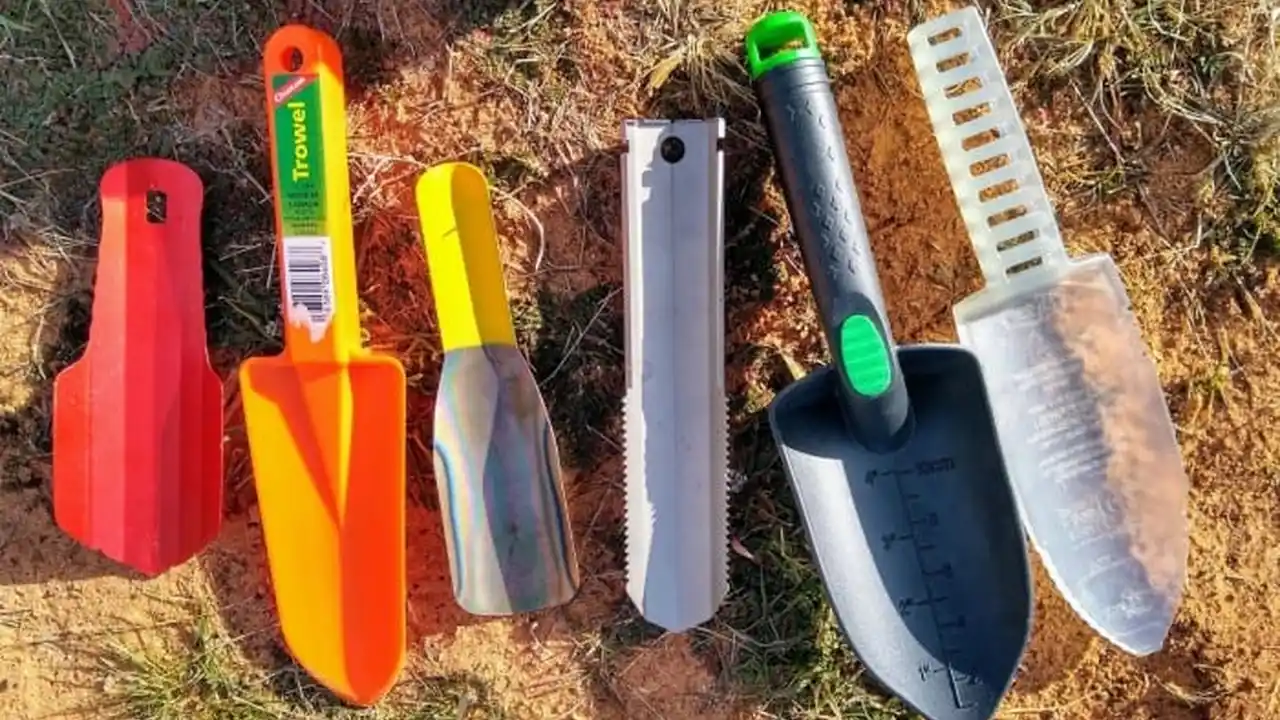
Comparing Camping Shovels and Trowels for Outdoor Use
Essential tools for campsite maintenance: comparing camping shovels and trowels. Review durability, portability, and functionality for various tasks.When you're out in the wilderness, whether it's for a weekend camping trip, a multi-day backpacking adventure, or even just a day hike, having the right tools can make all the difference. Among the often-overlooked but incredibly essential pieces of gear are camping shovels and trowels. These aren't just for digging catholes (though that's a primary and very important use!); they're versatile tools that can help with campsite setup, fire management, minor trail maintenance, and even emergency situations. But with so many options on the market, how do you choose between a compact trowel and a more robust folding shovel? Let's dig into the details and compare these indispensable outdoor companions.
Why You Need a Digging Tool in the Outdoors: Beyond the Cathole
While the Leave No Trace principles emphasize digging a cathole for human waste, the utility of a camping shovel or trowel extends far beyond this crucial task. Imagine needing to level a tent site, create a small trench around your tent to divert rainwater, or even manage a campfire by moving hot coals or burying ashes. A good digging tool can also be invaluable for clearing small obstacles from a trail, digging out a stuck vehicle (for larger shovels), or even as a makeshift anchor in certain situations. Understanding these diverse applications will help you appreciate the value of carrying one of these tools.
Camping Trowels: The Lightweight Champion for Backpackers
Camping trowels are typically small, lightweight, and designed for minimalist packing. They are the go-to choice for backpackers, thru-hikers, and anyone looking to shave ounces from their pack. Their primary function is digging catholes, but they can also be used for small-scale digging tasks around the campsite.
Key Features of Camping Trowels: Portability and Simplicity
- Weight: Usually very light, often under 5 ounces.
- Material: Commonly made from aluminum, titanium, or durable plastic. Titanium is the lightest and strongest, but also the most expensive. Aluminum offers a good balance of weight and durability. Plastic trowels are the most affordable but less robust.
- Size: Compact, typically fitting easily into a side pocket of a backpack or a small pouch.
- Handle: Ergonomic designs are common, sometimes with a textured grip for better handling.
- Durability: Varies by material. While generally sturdy enough for digging in soft to moderately firm soil, they might struggle with very rocky or root-filled ground.
Recommended Camping Trowels: Top Picks for Your Pack
The Deuce of Spades: The Ultralight King
The Deuce of Spades, particularly the Deuce #2, is a legendary ultralight trowel made by TheTentLab. It's crafted from aerospace-grade aluminum, weighing a mere 0.6 ounces (17 grams). Its unique design allows it to be used in two orientations: one for digging and one for scraping. It's incredibly efficient for its size and weight, making it a favorite among thru-hikers. It excels in softer soils but can handle some tougher ground with careful use. The price point is around $20-$25 USD.
Use Case: Ideal for ultralight backpacking, thru-hiking, and minimalist camping where every gram counts. Perfect for digging catholes quickly and efficiently.
Snow Peak Titanium Trowel: Premium Durability
For those who prioritize durability and don't mind a slightly higher price tag, the Snow Peak Titanium Trowel is an excellent choice. Weighing about 1.2 ounces (34 grams), it's still incredibly light but offers superior strength compared to aluminum or plastic. Titanium is corrosion-resistant and exceptionally strong, meaning this trowel will last for countless trips. Expect to pay around $30-$40 USD.
Use Case: Backpackers who frequently encounter tougher, rockier soil or simply want a bombproof trowel that will last a lifetime. Also great for general campsite digging tasks.
Coghlan's Backpackers Trowel: Budget-Friendly and Functional
If you're on a budget or just starting out, Coghlan's Backpackers Trowel is a reliable plastic option. It's very affordable, typically under $5 USD, and weighs around 2 ounces (57 grams). While not as durable as metal options, it's perfectly adequate for digging catholes in most soil conditions and is a great entry-level choice.
Use Case: Casual campers, day hikers, or those on a tight budget. Suitable for softer soils and basic digging needs.
Camping Shovels: The Versatile Workhorse for Car Campers and Overlanders
Camping shovels, often folding or collapsible, are more robust than trowels. They offer greater digging power and versatility, making them suitable for car camping, overlanding, and situations where more substantial digging might be required. They are heavier and bulkier than trowels but provide significant advantages for larger tasks.
Key Features of Camping Shovels: Power and Multi-Functionality
- Weight: Heavier than trowels, ranging from 1 to 3 pounds or more.
- Material: Typically made from steel or high-strength aluminum alloys for durability.
- Size: Collapsible designs are common, allowing them to fold down for easier transport, but they are still larger than trowels.
- Handle: Often features a D-handle or T-handle for a secure grip and leverage.
- Durability: Designed to withstand more rigorous digging, including tougher soil, roots, and even light prying.
- Multi-functionality: Many models include additional features like a pickaxe, saw edge, or even a bottle opener.
Recommended Camping Shovels: Top Picks for Heavier Duty Tasks
Gerber Gorge Folding Shovel: Compact and Capable
The Gerber Gorge Folding Shovel is a popular choice for its balance of portability and strength. It folds down to a compact size (about 9.25 inches) and extends to 16.5 inches when open. It features a hammer function on the back of the shovel head, which can be useful for pounding in tent stakes. Made from carbon steel, it's durable and capable of handling tough digging. It weighs around 28 ounces (794 grams) and costs approximately $30-$40 USD.
Use Case: Car camping, light overlanding, and general campsite maintenance. Good for digging fire pits, leveling ground, and managing campfires. The hammer function adds versatility.
SOG Entrenching Tool: Military-Grade Reliability
The SOG Entrenching Tool is a robust, military-style folding shovel known for its durability and versatility. It's made from high-carbon steel and features a triangular handle for a secure grip. It can be used as a shovel or a pickaxe, and its serrated edge can even be used for sawing through small roots. It folds down to about 10 inches and weighs around 24 ounces (680 grams). Expect to pay around $25-$35 USD.
Use Case: More demanding digging tasks, emergency situations, vehicle recovery (light duty), and general outdoor utility. Excellent for car campers and overlanders who need a reliable, multi-functional tool.
Redcamp Military Folding Shovel: Budget-Friendly and Feature-Rich
For a more budget-conscious option that still offers good functionality, the Redcamp Military Folding Shovel is a solid contender. Often available for under $20 USD, it's made from carbon steel and features a pickaxe and a serrated edge. It folds into three sections for compact storage and comes with a carrying pouch. It weighs around 2.5 pounds (1.1 kg).
Use Case: Ideal for casual car campers, backyard use, or as an emergency shovel in a vehicle. Offers good value for its price and features.
Trowel vs. Shovel: Making the Right Choice for Your Adventure
The decision between a camping trowel and a folding shovel largely depends on your specific needs, the type of outdoor activity you're undertaking, and your priorities regarding weight, portability, and digging power.
When to Choose a Camping Trowel: Lightweight and Minimalist Adventures
- Backpacking and Thru-Hiking: If you're covering long distances on foot and every ounce matters, a lightweight trowel is your best friend. It's primarily for digging catholes and very minor campsite adjustments.
- Day Hikes: For shorter trips where you might need to dig a cathole or move a small amount of dirt, a trowel is perfectly adequate and easy to carry.
- Minimalist Camping: If you prefer to keep your gear list as short and light as possible, a trowel fits the bill.
- Soft to Moderate Soil Conditions: Trowels perform best in softer soils. If you anticipate mostly loose dirt or sand, a trowel will work efficiently.
When to Choose a Camping Shovel: Car Camping, Overlanding, and Heavier Duty Tasks
- Car Camping: When you have the luxury of vehicle transport, the extra weight and bulk of a folding shovel are negligible. It provides much more utility for setting up a comfortable campsite.
- Overlanding and Off-Roading: A robust folding shovel is almost a necessity for these activities. It can help with digging out stuck tires, clearing obstacles, or creating small ramps.
- Base Camp Setup: If you're establishing a more permanent base camp, a shovel is invaluable for digging fire pits, leveling tent areas, and managing waste.
- Tougher Soil and Roots: If you expect to encounter hard-packed earth, rocky terrain, or stubborn roots, a shovel's leverage and stronger construction will be far more effective.
- Multi-Purpose Needs: Many folding shovels come with additional features like a pickaxe or saw, making them more versatile tools for various camp chores.
Factors to Consider When Buying Your Digging Tool: Material, Handle, and Features
Beyond the basic trowel vs. shovel decision, several other factors can influence your choice and satisfaction with your digging tool.
Material Matters: Durability vs. Weight
- Aluminum: A good balance of lightweight and durability for trowels. Prone to bending if used aggressively on hard ground.
- Titanium: The strongest and lightest option for trowels, but also the most expensive. Excellent corrosion resistance.
- Plastic: Cheapest and lightest for trowels, but the least durable. Best for soft soil.
- Carbon Steel: Common for shovels, offering excellent strength and durability. Heavier than aluminum.
- Stainless Steel: Also used for shovels, offering good strength and better corrosion resistance than carbon steel, but often heavier.
Handle Design: Comfort and Leverage
- Trowels: Look for ergonomic handles that fit comfortably in your hand. Some have textured grips to prevent slipping.
- Shovels: D-handles provide a secure, two-handed grip for maximum leverage. T-handles are also common and offer good control. Ensure the handle material is durable and comfortable to hold, even with gloves.
Additional Features: Enhancing Utility
- Serrated Edges: Useful on shovels for cutting through small roots or breaking up compacted soil.
- Pickaxe Function: Many folding shovels convert into a pickaxe, which is incredibly useful for breaking up hard ground or ice.
- Hammer Function: Some shovels have a flat surface on the back of the blade for pounding in tent stakes.
- Bottle Openers/Hex Wrenches: While not essential, some multi-tool shovels include these for added convenience.
- Carrying Case/Pouch: A good carrying case protects your other gear from dirt and keeps the tool contained.
Maintenance and Care for Your Digging Tool: Keep it Ready for Action
To ensure your camping shovel or trowel lasts for many adventures, a little maintenance goes a long way.
- Clean After Use: Always clean off dirt, mud, and debris after each use. A quick rinse with water and a wipe down will prevent buildup.
- Dry Thoroughly: Especially for steel shovels, ensure they are completely dry before storing to prevent rust.
- Lubricate Moving Parts: For folding shovels, occasionally apply a light lubricant to the hinge mechanisms to keep them operating smoothly.
- Sharpen Edges (if applicable): If your shovel has a serrated edge for cutting, you might want to sharpen it periodically with a file or sharpening stone.
- Store Properly: Store your tool in a dry place, ideally in its carrying pouch or a designated spot in your gear bin.
Final Thoughts on Digging Tools: An Unsung Hero of Outdoor Gear
Whether you opt for the ultralight efficiency of a camping trowel or the robust versatility of a folding shovel, having a dedicated digging tool is a fundamental aspect of responsible and prepared outdoor adventuring. It's not just about adhering to Leave No Trace principles; it's about enhancing your comfort, safety, and capability in the wild. So, next time you're packing for your outdoor escapade, don't forget to make room for one of these unsung heroes. They might be small, but their impact on your outdoor experience is anything but.
:max_bytes(150000):strip_icc()/277019-baked-pork-chops-with-cream-of-mushroom-soup-DDMFS-beauty-4x3-BG-7505-5762b731cf30447d9cbbbbbf387beafa.jpg)