Comparing Hiking Backpack Covers for Rain Protection
Keep your gear dry with hiking backpack covers for rain protection. Compare materials, fit, and ease of use for various backpack sizes.
Keep your gear dry with hiking backpack covers for rain protection. Compare materials, fit, and ease of use for various backpack sizes.
Comparing Hiking Backpack Covers for Rain Protection
Why a Backpack Rain Cover is Your Hiking Essential
Let's face it, Mother Nature can be unpredictable. One minute you're enjoying a sunny hike, the next you're caught in a sudden downpour. While many modern backpacks boast some level of water resistance, very few are truly waterproof. That's where a reliable hiking backpack rain cover comes in. It's a simple, often overlooked piece of gear that can save your electronics, sleeping bag, and extra layers from getting soaked, potentially ruining your trip or even putting your safety at risk. Think about it: a wet sleeping bag means a cold night, and wet clothes can lead to hypothermia in cooler temperatures. A good rain cover acts as an impenetrable shield, ensuring everything inside your pack stays bone dry, no matter how heavy the rain gets. It's a small investment that offers huge peace of mind.
Understanding Backpack Rain Cover Materials and Durability
When you're looking for a rain cover, the material it's made from is super important. Most quality rain covers are crafted from nylon or polyester, often treated with a waterproof coating like polyurethane (PU) or silicone. Let's break down what these mean for you:
Nylon vs. Polyester: Which Fabric Reigns Supreme for Rain Covers?
Nylon is generally lighter and more flexible than polyester, making it easier to pack away. It's also known for its excellent tear resistance, which is great if you're bushwhacking through thorny trails. Polyester, on the other hand, tends to be more UV resistant, meaning it won't degrade as quickly from prolonged sun exposure. It's also often a bit more affordable. For a rain cover, both are solid choices, but if you prioritize lightweight and packability, nylon might be your pick. If you're often hiking in sunny, exposed areas, polyester's UV resistance could be a plus.
Waterproof Coatings: PU vs. Silicone for Ultimate Dryness
This is where the magic happens. Polyurethane (PU) coatings are very common and effective. They create a waterproof barrier on the fabric. Silicone coatings, often found on higher-end covers, are even more durable and offer superior water repellency. They also tend to make the fabric lighter and more flexible. Some covers even use a combination of both. Look for a high denier (D) number, like 70D or 210D, which indicates the fabric's thickness and durability. A higher denier means it's more resistant to abrasions and punctures, which is crucial when your pack is rubbing against rocks or branches.
Finding the Perfect Fit: Sizing Your Backpack Rain Cover
Getting the right size rain cover is absolutely critical. Too small, and it won't cover your entire pack. Too large, and it'll flap around in the wind, potentially catching on branches or even blowing off. Most rain covers are sized by the volume of your backpack, usually in liters. So, if you have a 50-liter backpack, you'll want a rain cover designed for 40-60 liters, for example. It's always a good idea to check the manufacturer's recommendations for your specific backpack model if available. If not, measure your pack's height, width, and depth when it's fully loaded to get a better idea. Some covers come with adjustable drawstrings or elastic hems to ensure a snug fit, which is a great feature to look for.
Ease of Use: Features That Make a Difference in a Downpour
When the rain starts pouring, you don't want to be fumbling with a complicated rain cover. Look for features that make it easy to deploy and secure:
Attachment Systems: Keeping Your Cover Secure on the Trail
Many rain covers have elasticized edges that simply stretch over your pack. Others might include straps, buckles, or drawstrings for a more secure fit. A cover with an adjustable drawstring or a buckle strap that goes around the back of your pack is often more reliable in windy conditions. Some even have a small hook or clip to attach it to your pack's top handle, preventing it from sliding down.
Packability and Storage: When Every Inch Counts
Since you'll only use your rain cover when it's raining, it needs to be easy to store when not in use. Most come with their own small stuff sack, allowing you to compress them down to a tiny size. Look for covers that are lightweight and pack down small enough to fit into an easily accessible pocket on your backpack, so you can grab it quickly when the clouds open up.
Top Picks: Recommended Backpack Rain Covers for Hikers
Let's dive into some specific models that consistently get high marks from hikers. Remember, prices can vary based on size and retailer, so these are approximate.
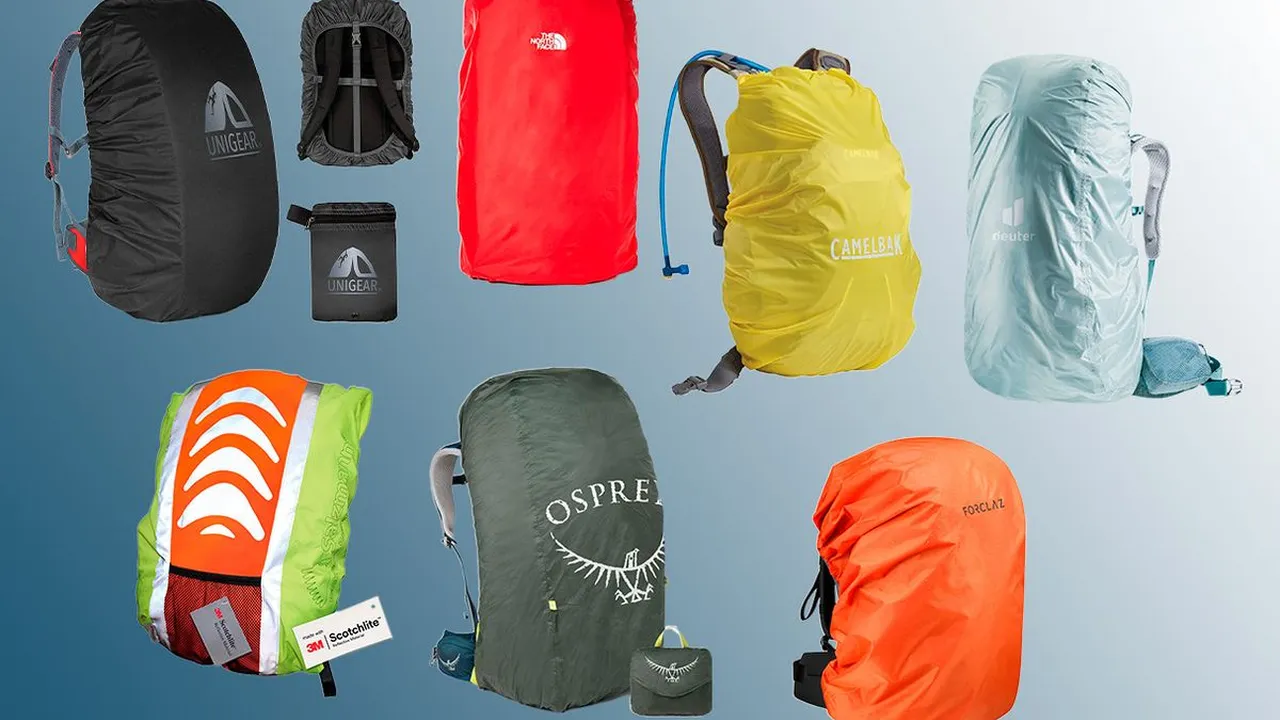
Osprey UltraLight Raincover
This is a perennial favorite for a reason. Osprey makes fantastic backpacks, and their rain covers are no exception. The UltraLight Raincover is made from 40D ripstop nylon, making it incredibly lightweight and durable. It features a full wrap-around cinch attachment that keeps it securely on your pack, even in strong winds. It also has a drain hole at the bottom to prevent water from pooling. It comes in various sizes, from 20-35L up to 70-100L, ensuring a good fit for most packs. It packs down into its own tiny stuff sack. This is a great all-around choice for day hikers and multi-day trekkers alike.
* **Material:** 40D Ripstop Nylon
* **Waterproof Coating:** PU coating
* **Key Features:** Full wrap-around cinch, drain hole, integrated stuff sack.
* **Pros:** Very lightweight, durable, excellent fit, reliable in wind.
* **Cons:** Can be a bit pricier than generic options.
* **Typical Price Range:** $25 - $40 USD
* **Best Use:** General hiking, backpacking, day trips.
Sea to Summit Ultra-Sil Pack Cover
If you're an ultralight enthusiast, the Sea to Summit Ultra-Sil Pack Cover is probably on your radar. Made from 30D Ultra-Sil nylon, which is siliconized Cordura, it's one of the lightest and most compact rain covers on the market. It's incredibly strong for its weight and highly water-resistant. It features a non-slip drawcord for a secure fit. While it might feel a bit thin, don't let that fool you – it's surprisingly tough. It's perfect for those who count every gram.
* **Material:** 30D Ultra-Sil Nylon (siliconized Cordura)
* **Waterproof Coating:** Silicone coating
* **Key Features:** Ultra-lightweight, compact, non-slip drawcord.
* **Pros:** Extremely lightweight, packs down tiny, very durable for its weight.
* **Cons:** Higher price point, might feel less robust than thicker covers.
* **Typical Price Range:** $30 - $50 USD
* **Best Use:** Ultralight backpacking, fast and light hiking.
REI Co-op Duck's Back Rain Cover
The REI Co-op Duck's Back is a fantastic value option that doesn't compromise on performance. It's made from durable 70D nylon with a PU coating, offering excellent protection. It features an elasticized drawcord and a buckle strap for a secure fit, even on larger packs. It's a bit heavier and bulkier than the Osprey or Sea to Summit options, but it's also more affordable and very robust. This is a great choice for casual hikers or those on a budget who still want reliable protection.
* **Material:** 70D Nylon
* **Waterproof Coating:** PU coating
* **Key Features:** Elasticized drawcord, buckle strap, integrated stuff sack.
* **Pros:** Excellent value, very durable, good fit.
* **Cons:** A bit heavier and bulkier than ultralight options.
* **Typical Price Range:** $20 - $35 USD
* **Best Use:** General hiking, budget-conscious hikers, robust protection.
Deuter Rain Cover III
Deuter is another well-respected brand in the outdoor world, and their rain covers are built to last. The Rain Cover III is made from a durable PU-coated nylon, designed to withstand tough conditions. It features an elasticized edge and a secure attachment loop. Deuter offers various sizes, and their covers are known for fitting Deuter packs perfectly, but they work well with other brands too. It's a solid, no-frills option that gets the job done reliably.
* **Material:** PU-coated Nylon
* **Waterproof Coating:** PU coating
* **Key Features:** Elasticized edge, attachment loop.
* **Pros:** Very durable, reliable protection, good fit for Deuter packs.
* **Cons:** Can be a bit heavier, less features than some competitors.
* **Typical Price Range:** $20 - $35 USD
* **Best Use:** General hiking, backpacking, reliable everyday use.
Gregory Raincover
Gregory, known for their comfortable backpacks, also offers a solid rain cover. Their rain covers are made from durable 210D nylon with a PU coating, providing excellent water resistance. They feature a secure drawcord closure and often have a bottom strap to keep them from riding up. Gregory rain covers are designed to integrate seamlessly with Gregory packs, but they are versatile enough for other brands. They offer robust protection and are built to last.
* **Material:** 210D Nylon
* **Waterproof Coating:** PU coating
* **Key Features:** Secure drawcord, bottom strap, durable fabric.
* **Pros:** Very durable, excellent protection, good fit with Gregory packs.
* **Cons:** Can be heavier and bulkier due to thicker material.
* **Typical Price Range:** $25 - $45 USD
* **Best Use:** Heavy-duty use, long treks, protecting valuable gear.
Beyond the Basics: Advanced Considerations for Rain Covers
While the core function of a rain cover is simple – keep water out – there are a few other things to think about:
Integrated vs. Standalone Rain Covers: What's Best for You?
Some backpacks come with an integrated rain cover, usually stashed in a small pocket at the bottom. This is super convenient because you'll never forget it. However, integrated covers can sometimes be less durable or offer a less precise fit than a dedicated standalone cover. If your pack has an integrated cover, check its quality. If it feels flimsy, investing in a separate, higher-quality cover is a smart move.
Color and Visibility: Safety on the Trail
Rainy conditions often mean reduced visibility. Many rain covers come in bright, high-visibility colors like neon green, orange, or yellow. This isn't just a fashion statement; it's a safety feature. In low light, fog, or heavy rain, a bright cover makes you much more visible to other hikers, hunters, or search and rescue teams if you ever get into trouble. Some even have reflective logos or strips for added visibility at night.
Weight and Packability: The Ultralight Dilemma
For ultralight backpackers, every ounce counts. While a rain cover is essential, you'll want one that adds minimal weight and takes up almost no space. This is where those siliconized nylon options really shine. They might cost a bit more, but the weight savings can be significant over a long trek. For casual day hikers, a few extra ounces might not matter as much, so a more robust, slightly heavier option could be perfectly fine.
Maintenance and Care: Extending the Life of Your Rain Cover
To ensure your rain cover continues to perform its best, a little care goes a long way:
Cleaning Your Rain Cover: Simple Steps for Longevity
After a rainy hike, don't just stuff your wet cover back into its pouch. Lay it out or hang it to dry completely. If it's dirty, gently wipe it down with a damp cloth. For tougher grime, you can hand wash it with a mild soap (like dish soap) and lukewarm water. Avoid harsh detergents or machine washing, as these can damage the waterproof coating.
Re-Waterproofing: When Your Cover Needs a Boost
Over time, the waterproof coating on your rain cover can wear down, especially if it's exposed to a lot of abrasion or UV light. If you notice water starting to soak into the fabric instead of beading up, it might be time to re-waterproof it. You can use a spray-on or wash-in DWR (Durable Water Repellent) treatment specifically designed for outdoor gear. Brands like Nikwax or Granger's offer excellent products for this purpose. Just follow the instructions on the product carefully.
Common Mistakes to Avoid When Using a Rain Cover
Even with the best rain cover, mistakes can happen. Here are a few to watch out for:
Forgetting to Pack It: The Most Obvious Error
This sounds silly, but it happens! Always check your gear list before heading out. If there's any chance of rain, even a small one, your rain cover should be in your pack. It's small enough that there's no excuse not to bring it.
Improper Sizing: Too Loose or Too Tight
As we discussed, getting the right size is key. A cover that's too big will catch wind and potentially blow off, while one that's too small won't offer full coverage, leaving parts of your pack exposed.
Not Securing It Properly: Wind is Your Enemy
Just throwing the cover over your pack isn't enough, especially in windy conditions. Take the extra minute to cinch the drawcord tight, use any available straps or buckles, and ensure it's snug against your pack. A flapping cover is not only annoying but also ineffective.
Storing It Wet: A Recipe for Mildew
Never, ever store your rain cover wet. This is a surefire way to encourage mildew growth, which smells terrible, can damage the fabric, and compromise its waterproof properties. Always dry it thoroughly before packing it away.
Final Thoughts on Keeping Your Gear Dry
A hiking backpack rain cover is a small, relatively inexpensive piece of gear that provides immense value. It protects your essential items from the elements, keeps you comfortable, and can even contribute to your safety on the trail. By understanding the different materials, features, and proper care, you can choose the perfect rain cover for your adventures and ensure your gear stays dry, no matter what the weather throws at you. So, next time you're packing for a hike, make sure your trusty rain cover is at the top of your list. Happy trails, and stay dry out there!
:max_bytes(150000):strip_icc()/277019-baked-pork-chops-with-cream-of-mushroom-soup-DDMFS-beauty-4x3-BG-7505-5762b731cf30447d9cbbbbbf387beafa.jpg)