Comparing the Best Trekking Poles for Stability
A detailed comparison of the best trekking poles for stability. Explore materials, adjustability, and grip for enhanced balance on hikes.
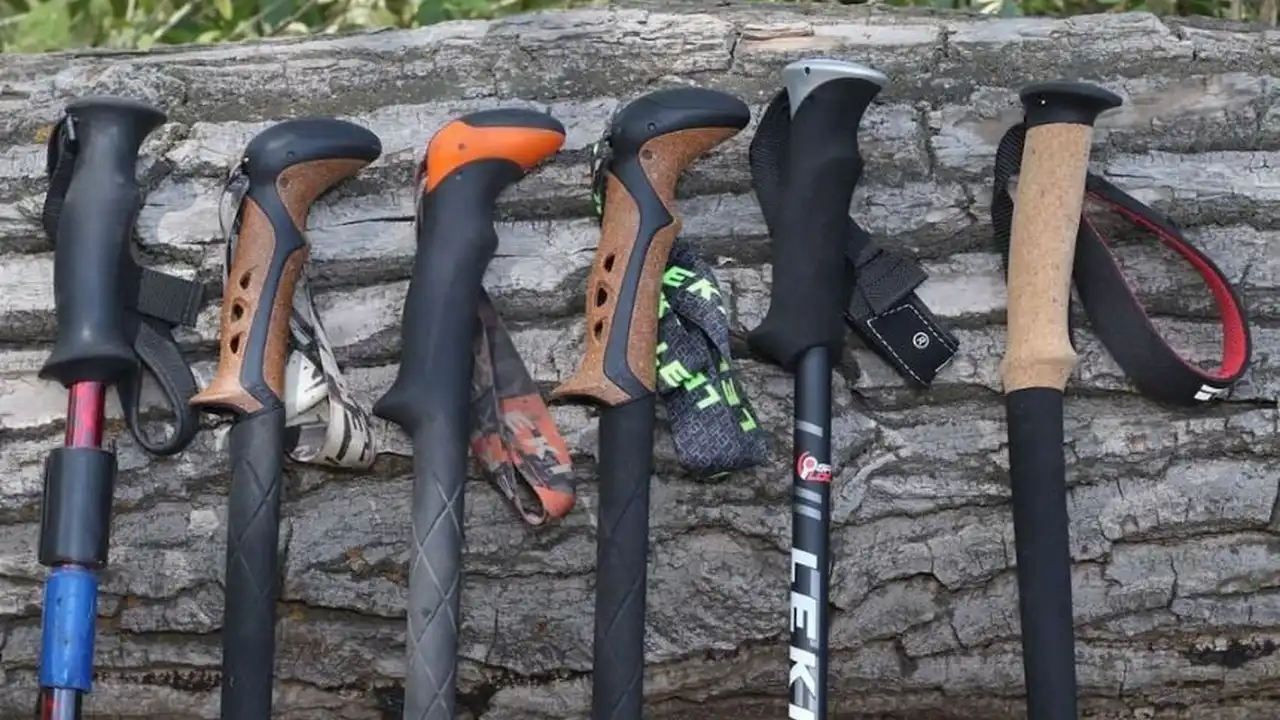
A detailed comparison of the best trekking poles for stability. Explore materials, adjustability, and grip for enhanced balance on hikes.
Comparing the Best Trekking Poles for Stability
Hey there, fellow adventurers! Let's talk trekking poles. If you've ever spent a day on the trail, especially with a heavy pack or on challenging terrain, you know how much of a game-changer a good pair of trekking poles can be. They're not just for the pros or the elderly; they're an essential piece of gear for anyone looking to enhance their balance, reduce strain on their joints, and even boost their speed on the trail. Think of them as an extension of your legs, providing four points of contact with the ground instead of two. This significantly improves stability, especially when crossing streams, navigating rocky paths, or descending steep slopes. Plus, they can help distribute the weight of your pack, taking some pressure off your knees and ankles, which is a huge win for long-term joint health. In this comprehensive guide, we're going to dive deep into the world of trekking poles, comparing the best options out there to help you find the perfect pair for your next outdoor adventure.
Why Use Trekking Poles Benefits and Advantages
So, why should you even consider adding trekking poles to your gear list? The benefits are numerous and often underestimated. First and foremost, they provide incredible stability. Imagine traversing a slippery, root-filled trail or a steep, scree-covered descent. Trekking poles give you two extra points of contact, significantly reducing your risk of falls and improving your confidence. This is particularly crucial when carrying a heavy backpack, as it helps maintain your center of gravity. Beyond stability, they're fantastic for joint protection. Every step you take, especially downhill, puts stress on your knees and ankles. Studies have shown that trekking poles can reduce the compressive force on your knees by up to 25%, which is a massive relief over a long hike. This means less soreness during and after your trek, and better long-term joint health. They also help with uphill climbs by providing leverage, allowing you to engage your upper body and propel yourself forward more efficiently. This can save energy and make those grueling ascents feel a little less daunting. Furthermore, poles can assist with river crossings, help you test the depth of puddles or snow, and even be used to set up ultralight shelters. They're truly versatile tools for any serious hiker or backpacker.
Key Features to Consider When Choosing Trekking Poles Material Adjustability and Grip
When you're in the market for trekking poles, there are a few critical features you'll want to pay close attention to. These include the material they're made from, their adjustability, and the type of grip they offer. Each of these aspects plays a significant role in the pole's performance, durability, and comfort.
Trekking Pole Materials Aluminum vs Carbon Fiber Durability and Weight
The primary materials used for trekking poles are aluminum and carbon fiber, each with its own set of pros and cons. Aluminum trekking poles are generally more affordable and incredibly durable. They can withstand a lot of abuse, bending rather than breaking under extreme stress. This makes them a great choice for beginners, those on a budget, or hikers who are particularly hard on their gear. However, they tend to be heavier than their carbon fiber counterparts. A typical pair of aluminum poles might weigh anywhere from 18 to 24 ounces. While this might not seem like much, every ounce counts on a long hike, especially if you're a gram-counting backpacker.
Carbon fiber trekking poles, on the other hand, are significantly lighter, often weighing in at 12 to 18 ounces per pair. This weight saving can make a noticeable difference over many miles, reducing fatigue and making them easier to swing. They also tend to absorb vibrations better, which can be more comfortable on your hands and wrists over extended periods. The trade-off? Carbon fiber is more expensive and, while strong, it's more prone to shattering or snapping under sudden, sharp impacts rather than bending. If you frequently hike in areas with a lot of sharp rocks or are prone to falling on your poles, this is something to consider. For most hikers, however, the weight savings and vibration dampening of carbon fiber make them a very attractive option.
Adjustability and Locking Mechanisms Flick Lock vs Twist Lock Security and Ease of Use
Most trekking poles are adjustable, allowing you to customize their length for different terrains and personal preferences. There are two main types of locking mechanisms: flick locks (or lever locks) and twist locks.
Flick locks are external clamps that you flip open to adjust the pole length and then snap shut to secure it. They are generally considered more reliable and easier to use, especially in cold weather or when wearing gloves. They provide a very secure hold and are less prone to slipping. Many experienced hikers and backpackers prefer flick locks for their robustness and ease of adjustment on the fly. They also tend to be more durable in the long run, as there are fewer internal components to wear out.
Twist locks work by twisting the pole sections to tighten or loosen them. While they offer a sleek, internal design, they can be more finicky. They might be harder to adjust with cold or wet hands, and they can sometimes slip if not tightened sufficiently. Over time, dirt and debris can also get into the mechanism, making them harder to operate. However, they are often found on more budget-friendly poles and can be perfectly adequate for casual use on less demanding trails.
Some poles also feature a combination of both, with a flick lock for the main adjustment and a twist lock for a smaller, fine-tuning section. The ideal length for trekking poles is when your elbow forms a 90-degree angle when your hand is on the grip and the pole tip is on the ground. You'll want to shorten them for uphill climbs and lengthen them for downhill descents to maintain optimal leverage and balance.
Grip Types Cork Foam and Rubber Comfort and Durability
The grip is where your hand meets the pole, so comfort is paramount. The three most common grip materials are cork, foam, and rubber.
Cork grips are often considered the most comfortable, especially for long hikes. They mold to the shape of your hand over time, providing a custom fit. Cork also wicks away sweat effectively, keeping your hands dry and reducing the risk of blisters. They perform well in both hot and cold conditions and are generally very durable. The only downside is that they can be a bit more expensive.
Foam grips (EVA foam) are soft, lightweight, and comfortable right out of the box. They also absorb sweat reasonably well. They're a good all-around option and are often found on mid-range poles. While comfortable, they might not be as durable as cork over many years of heavy use, and they can sometimes absorb more water if they get thoroughly soaked.
Rubber grips are very durable and provide excellent grip, especially in wet conditions. They're often found on more budget-friendly poles or those designed for extreme conditions. However, they can be less comfortable on long hikes, as they don't wick sweat as effectively as cork or foam, potentially leading to clammy hands and blisters in warmer weather. They also tend to be heavier than cork or foam.
Many poles also come with adjustable wrist straps. These are crucial for proper technique, as they allow you to transfer some of the weight and force from your hands to your wrists, reducing grip fatigue. Look for straps that are comfortable, breathable, and easily adjustable.
Top Trekking Pole Recommendations Product Reviews and Comparisons
Alright, let's get to the good stuff! Here are some of the best trekking poles on the market, broken down by their features, ideal use cases, and approximate pricing. Keep in mind that prices can fluctuate, so always check current retail listings.
Black Diamond Trail Ergo Cork Trekking Poles Best All-Around Performance
The Black Diamond Trail Ergo Cork Trekking Poles are consistently a top pick for a reason. They strike an excellent balance of durability, comfort, and performance, making them suitable for a wide range of hikers, from day-trippers to multi-day backpackers.
- Material: Aluminum. This makes them incredibly robust and reliable, able to withstand significant abuse on the trail. They might bend under extreme pressure, but they're unlikely to snap.
- Locking Mechanism: Dual FlickLocks. These external lever locks are super easy to adjust, even with gloves on, and provide a very secure hold. You can quickly change the length on the fly as the terrain changes.
- Grip: Ergonomic cork grips. The cork is fantastic for wicking away sweat and molding to your hand over time, providing superior comfort on long hikes. The ergonomic angle of the grip also helps reduce wrist strain.
- Weight: Approximately 18 ounces (510g) per pair. This is a respectable weight for aluminum poles, offering a good balance of durability and packability.
- Usability: These poles are incredibly versatile. They're great for everything from casual day hikes to challenging backpacking trips in varied terrain. The ergonomic grip is a standout feature, making them comfortable for hours on end. They come with both trekking baskets and smaller, more aggressive powder baskets for snow.
- Price: Typically in the $120 - $150 USD range.
- Ideal User: Hikers and backpackers looking for a durable, comfortable, and reliable all-around trekking pole that will last for years. Excellent for those who prioritize comfort and ease of adjustment.
Leki Makalu Lite Cor-Tec Trekking Poles Premium Comfort and Lightweight
For those who prioritize comfort and a slightly lighter build without sacrificing too much durability, the Leki Makalu Lite Cor-Tec Trekking Poles are an excellent choice. Leki is renowned for its quality and attention to detail.
- Material: High-strength aluminum. While still aluminum, Leki uses a slightly lighter grade for these poles, making them a bit more nimble than some heavier aluminum options.
- Locking Mechanism: Speed Lock 2 Plus. This is Leki's proprietary external lever lock system, known for its exceptional holding power and ease of use. It's very similar to Black Diamond's FlickLock in terms of performance.
- Grip: Aergon Cor-Tec grips. These are Leki's signature cork grips, designed for ergonomic comfort and excellent sweat wicking. They feel great in the hand and reduce fatigue.
- Weight: Approximately 16.6 ounces (470g) per pair. This makes them one of the lighter aluminum options available, appealing to those who want to shave a few ounces.
- Usability: Perfect for long-distance hiking, thru-hiking, and general backpacking where comfort and a slightly lighter weight are desired. The Aergon grip is a standout feature for extended use.
- Price: Typically in the $160 - $190 USD range.
- Ideal User: Experienced hikers and backpackers who appreciate premium comfort, reliable locking mechanisms, and a slightly lighter aluminum pole for long days on the trail.
Black Diamond Distance Carbon Z Trekking Poles Ultralight and Packable
If you're an ultralight backpacker, trail runner, or someone who needs poles that pack down incredibly small, the Black Diamond Distance Carbon Z Trekking Poles are a top contender. These are fixed-length (non-adjustable) or Z-fold poles, meaning they collapse into three sections.
- Material: 100% Carbon Fiber. This is where they get their incredibly low weight.
- Locking Mechanism: Fixed length or Z-Pole rapid deployment system. These poles don't adjust in length like traditional telescopic poles. Instead, they fold up like avalanche probes. Some models have a small amount of adjustability in the grip section, but generally, you choose a specific length. The Z-Pole system is incredibly fast to deploy and collapse.
- Grip: Lightweight EVA foam grips. These are comfortable and absorb sweat, designed to be minimalist and lightweight.
- Weight: Incredibly light, often around 9-12 ounces (250-340g) per pair, depending on the length. This is a significant weight saving.
- Usability: Ideal for fast-and-light missions, trail running, and ultralight backpacking where every ounce counts. They pack down small enough to fit inside many daypacks or attach easily to the outside. The fixed length means less fumbling with adjustments, but also less versatility for varied terrain.
- Price: Typically in the $150 - $200 USD range.
- Ideal User: Ultralight backpackers, trail runners, and fast hikers who prioritize minimal weight and packability above all else. Not ideal for those who need frequent length adjustments or maximum durability for heavy abuse.
Montem Ultra Strong Trekking Poles Budget-Friendly and Durable
For those just starting out or looking for a reliable pair of poles without breaking the bank, the Montem Ultra Strong Trekking Poles offer excellent value. They prove that you don't need to spend a fortune to get a decent pair of poles.
- Material: 7075 Aluminum. This is a high-grade aluminum alloy known for its strength and durability.
- Locking Mechanism: Quick-release external lever locks. Similar to FlickLocks, these provide secure and easy adjustments.
- Grip: EVA foam grips. Comfortable and sweat-wicking, offering a good balance of comfort and durability for the price point.
- Weight: Approximately 19.2 ounces (544g) per pair. A bit heavier than some premium options, but still very manageable.
- Usability: Great for casual day hikes, beginner backpackers, and general outdoor use. They're robust enough to handle varied terrain and provide good stability. They often come with a variety of tips and baskets for different conditions.
- Price: Typically in the $60 - $80 USD range.
- Ideal User: Beginners, budget-conscious hikers, or those who need a reliable backup pair of poles. They offer excellent performance for their price.
MSR DynaLock Ascent Carbon Trekking Poles Advanced Features for Mountaineering
For serious mountaineers, winter hikers, or those tackling technical terrain, the MSR DynaLock Ascent Carbon Trekking Poles offer advanced features and robust construction.
- Material: Carbon fiber upper, aluminum lower. This hybrid construction provides a good balance of lightweight performance and durability where it's needed most.
- Locking Mechanism: DynaLock (external lever lock). MSR's locking mechanism is designed to be extremely secure and easy to use, even with thick gloves.
- Grip: Ergonomic EVA foam grips with an extended grip zone. The extended grip allows you to choke up on the pole without adjusting the length, which is very useful on steep ascents or traverses.
- Weight: Approximately 17.6 ounces (500g) per pair. A good weight for a pole designed for more demanding use.
- Usability: Excellent for mountaineering, ski touring, snowshoeing, and challenging backpacking trips. The extended grip and robust locking mechanism make them suitable for technical terrain and heavy loads. They often come with larger snow baskets.
- Price: Typically in the $180 - $220 USD range.
- Ideal User: Experienced mountaineers, winter adventurers, and backpackers who need a highly reliable and versatile pole for demanding conditions and technical terrain.
Trekking Pole Accessories and Maintenance Tips for Longevity
To get the most out of your trekking poles and ensure they last for many adventures, it's worth considering a few accessories and following some basic maintenance tips.
Essential Trekking Pole Accessories Baskets and Tips
Most trekking poles come with a few standard accessories, but understanding their purpose can enhance your experience. Trekking baskets are small, circular attachments near the tip of the pole. They prevent the pole from sinking too deep into soft ground, mud, or small cracks in rocks. They're generally used for most three-season hiking. Snow baskets (or powder baskets) are much larger and are essential for winter hiking, snowshoeing, or ski touring. They provide a much larger surface area to prevent the pole from plunging deep into snow. Make sure your poles are compatible with interchangeable baskets if you plan on using them year-round.
The tips of trekking poles are usually made of durable carbide or rubber. Carbide tips offer excellent grip on hard surfaces like rock, ice, and packed dirt. They are very durable but can be noisy on pavement and can scratch delicate surfaces. Rubber tips (or paw pads) are often included or sold separately. These are great for protecting the carbide tips, reducing noise on paved trails, and providing better grip on smooth surfaces like asphalt or concrete. They also protect the trail itself from excessive wear. It's a good idea to carry a spare set of rubber tips, as they can wear out over time.
Cleaning and Storage Best Practices for Your Trekking Poles
Proper maintenance is key to extending the life of your trekking poles. After each hike, especially if you've been in muddy or sandy conditions, it's a good idea to clean them. Extend the poles fully and wipe down each section with a damp cloth to remove dirt, mud, and grit. Pay particular attention to the locking mechanisms. For flick locks, ensure no debris is caught in the clamps. For twist locks, make sure the internal mechanisms are clean and dry to prevent corrosion and ensure smooth operation. If your poles get wet, always disassemble them (if possible) and let them air dry completely before storing them. Storing them wet can lead to corrosion, especially in the internal components of twist locks. Store your poles in a dry place, ideally in their collapsed state, to reduce stress on the locking mechanisms. Periodically check the tips and baskets for wear and replace them as needed. A little bit of care goes a long way in keeping your trekking poles in top condition for many adventures to come.
Choosing the Right Trekking Pole Length and Sizing Guide
Getting the right length for your trekking poles is crucial for comfort and effectiveness. While adjustable poles offer flexibility, there's a general guideline for your starting length. When standing upright with your trekking pole tip on the ground and your hand on the grip, your elbow should form a 90-degree angle. This is your baseline length for flat or gently rolling terrain.
For uphill climbs, you'll want to shorten your poles by about 5-10 cm (2-4 inches). This allows you to plant the pole closer to your body and get better leverage as you ascend, engaging your upper body more effectively. For downhill descents, you'll want to lengthen your poles by about 5-10 cm (2-4 inches). This provides better reach and stability, allowing you to plant the pole further ahead of you and absorb impact, taking stress off your knees. If you have fixed-length poles, you'll need to choose a length that's a good compromise for the type of terrain you'll be on most often, or consider carrying two different lengths if your adventures vary widely. Many manufacturers provide sizing charts based on your height, which can be a good starting point, but always fine-tune the length based on your personal comfort and the terrain.
Trekking Pole Techniques Mastering Your Stride and Balance
Having the right poles is one thing, but knowing how to use them effectively is another. Mastering proper trekking pole technique can significantly enhance your hiking experience. The most common technique is the 'opposite arm, opposite leg' rhythm, similar to how you naturally walk. As your right foot steps forward, your left pole swings forward, and vice versa. This creates a natural, balanced rhythm and helps propel you forward.
When going uphill, shorten your poles slightly and plant them firmly in front of you, using your arms to push off and assist your leg muscles. This helps distribute the effort and can make steep ascents feel less taxing. On descents, lengthen your poles and plant them ahead of you, using them to brace yourself and absorb impact. This takes pressure off your knees and provides crucial stability on slippery or uneven ground. Remember to keep your wrist straps snug but not too tight, allowing for a comfortable grip and efficient power transfer. Practice on varied terrain to find the rhythm and length adjustments that work best for you. With a little practice, using trekking poles will become second nature, transforming your hiking experience.
So there you have it! Trekking poles are an invaluable tool for any outdoor enthusiast, offering enhanced stability, joint protection, and improved efficiency on the trail. Whether you opt for the robust durability of aluminum, the ultralight performance of carbon fiber, or a budget-friendly option, investing in a good pair of poles is an investment in your comfort and safety on countless adventures to come. Happy trails!
:max_bytes(150000):strip_icc()/277019-baked-pork-chops-with-cream-of-mushroom-soup-DDMFS-beauty-4x3-BG-7505-5762b731cf30447d9cbbbbbf387beafa.jpg)