Comparing Waterproof Backpacks for Kayaking and SUP
Keep your gear dry with waterproof backpacks for kayaking and SUP. Review capacity, closure systems, and comfort for water-based activities.
Comparing Waterproof Backpacks for Kayaking and SUP
Keep your gear dry with waterproof backpacks for kayaking and SUP. Review capacity, closure systems, and comfort for water-based activities.Why a Waterproof Backpack is Your Best Friend on the Water
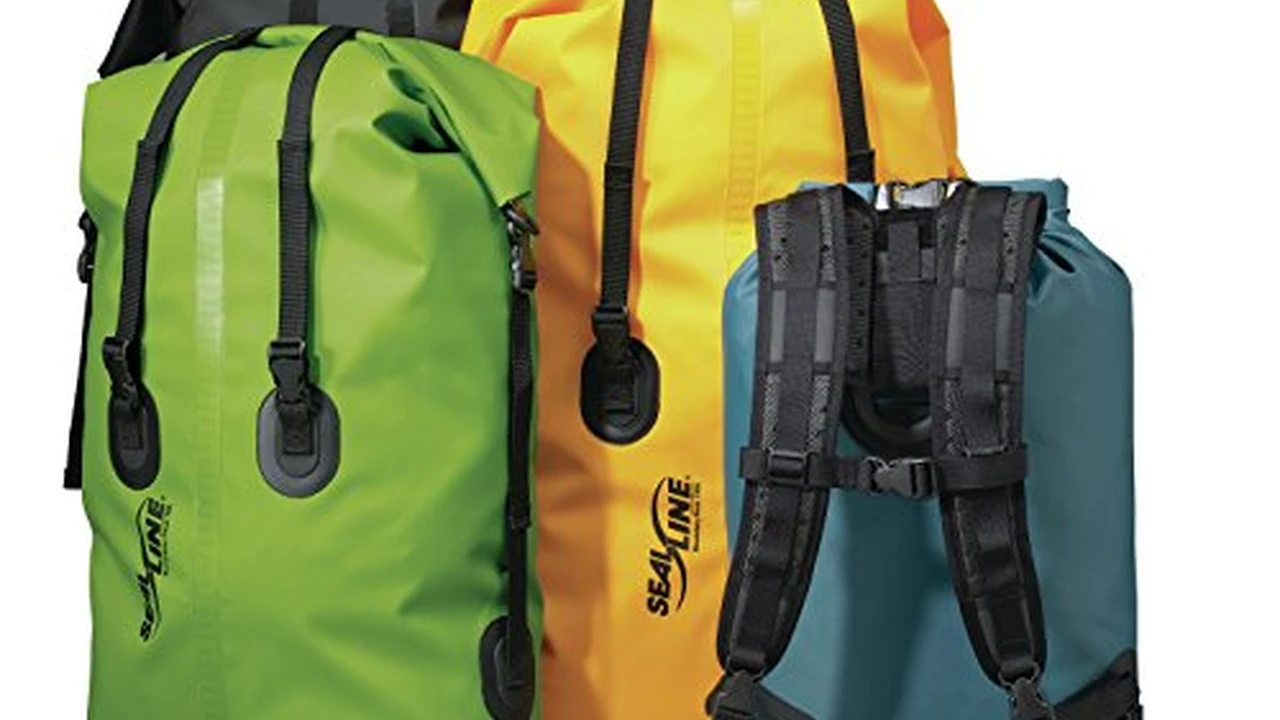
When you're out on the water, whether it's kayaking, stand-up paddleboarding (SUP), or even just a day at the beach, keeping your essentials dry is paramount. A sudden splash, an unexpected capsize, or even just persistent spray can quickly turn your phone, wallet, or extra clothes into a soggy mess. This is where a high-quality waterproof backpack becomes an indispensable piece of gear. Unlike water-resistant bags that can only handle light splashes, truly waterproof backpacks are designed to keep their contents bone-dry, even when fully submerged. They offer peace of mind, allowing you to focus on the adventure rather than worrying about your valuables. Beyond just keeping things dry, these backpacks are built to withstand the rigors of outdoor environments. They're often made from durable materials that resist punctures and abrasions, and their designs prioritize comfort and accessibility, even when you're on the move. From protecting electronics to ensuring your lunch stays edible, a good waterproof backpack is an investment in a more enjoyable and stress-free water-based experience.Understanding Waterproof Backpack Closure Systems and Materials
Not all waterproof backpacks are created equal, and a significant part of their effectiveness lies in their closure system and the materials they're constructed from. Understanding these aspects will help you choose the best bag for your specific needs.Roll-Top Closure Systems: The Gold Standard for Waterproofing
Most truly waterproof backpacks utilize a roll-top closure system. This design involves rolling the top of the bag down multiple times (typically 3-5 rolls) and then securing it with buckles. This creates a tight, impenetrable seal that prevents water from entering. It's a simple yet incredibly effective method, widely trusted for its reliability. The more rolls you make, the more secure the seal, and the more waterproof the bag becomes. This system is particularly effective against submersion.Zipper Closure Systems: Convenience with a Catch
While less common for full submersion-proof bags, some waterproof backpacks feature waterproof zippers. These are specialized zippers, often coated or designed with interlocking teeth that prevent water ingress. While incredibly convenient for quick access, they are generally not as reliable as a roll-top for prolonged submersion or high-pressure water exposure. They can also be stiffer and harder to operate than standard zippers. If you're looking for a bag that will be frequently exposed to heavy rain or splashes but not necessarily submerged, a waterproof zipper might be a good option. However, for serious water sports, a roll-top is usually preferred.Key Waterproof Materials: PVC, TPU, and Hypalon
* PVC (Polyvinyl Chloride): This is a very common and affordable material for waterproof bags. It's highly durable, resistant to abrasion, and completely waterproof. However, PVC can be stiff, especially in cold weather, and some people have environmental concerns about its production and disposal. It's often found in more budget-friendly options. * TPU (Thermoplastic Polyurethane): TPU is a more environmentally friendly alternative to PVC. It's lighter, more flexible, and often more durable than PVC, especially in extreme temperatures. TPU-coated fabrics offer excellent abrasion resistance and are completely waterproof. Bags made with TPU tend to be a bit more expensive but offer superior performance and longevity. * Hypalon (Chlorosulfonated Polyethylene): This is a premium material known for its extreme durability, abrasion resistance, and chemical resistance. It's often used for high-wear areas on top-tier waterproof bags, such as attachment points or reinforced bottoms. Bags made entirely of Hypalon are rare and very expensive, but its presence indicates a high-quality, long-lasting product. Many waterproof backpacks combine these materials, using a primary waterproof fabric for the main body and reinforced materials like Hypalon for critical stress points.Capacity and Comfort: Finding Your Perfect Fit
Choosing the right size and ensuring comfort are crucial for any backpack, and waterproof ones are no exception. You need a bag that can hold all your essentials without being overly bulky, and one that feels good to wear, especially if you'll be paddling for extended periods.Determining the Right Capacity for Your Water Adventures
Waterproof backpacks come in a wide range of capacities, typically measured in liters. Here's a general guide: * 10-20 Liters: Ideal for short day trips where you only need to carry essentials like a phone, wallet, keys, a small towel, and a snack. Perfect for a quick SUP session or a short kayak paddle. * 20-30 Liters: A versatile size for longer day trips. This capacity can comfortably hold extra layers, a larger lunch, a small first-aid kit, and perhaps a compact camera. Good for full-day kayaking or multi-hour SUP excursions. * 30-40 Liters: Suitable for overnight trips or if you need to carry more bulky items like a sleeping bag (if compact) or extra cooking gear. Also good if you're carrying gear for two people on a day trip. * 40+ Liters: Reserved for multi-day expeditions or if you're carrying specialized gear. These larger bags are less common for casual kayaking or SUP but might be necessary for extended touring or fishing trips where you need to bring a lot of equipment. Consider what you typically bring on your water outings. It's always better to have a little extra space than not enough, but avoid going too large, as an oversized bag can be cumbersome.Ergonomics and Comfort Features for Paddlers
Even though you might not be hiking long distances with a waterproof backpack, comfort is still important, especially when carrying it to and from the water, or if you need to wear it while paddling. * Padded Shoulder Straps: Look for straps that are well-padded and adjustable. This distributes weight evenly and prevents digging into your shoulders. * Sternum Strap: A sternum strap connects the two shoulder straps across your chest. It helps stabilize the load and prevents the straps from slipping off your shoulders, especially useful if you're moving around a lot. * Waist Belt (or Hip Belt): For larger capacity bags (30L+), a waist belt can significantly improve comfort by transferring some of the weight from your shoulders to your hips. Some waist belts are also padded and can include small pockets for quick access items. * Back Panel Ventilation: While less critical than on a hiking backpack, some waterproof bags offer a padded back panel with channels for airflow. This can help reduce sweat buildup, especially on hot days. * Grab Handles: Multiple grab handles are incredibly useful for pulling the bag out of a kayak, off a SUP, or just carrying it short distances. Look for sturdy, reinforced handles.Top Waterproof Backpacks for Kayaking and SUP: Product Recommendations
Let's dive into some specific product recommendations, highlighting their features, ideal use cases, and approximate pricing. Remember that prices can fluctuate based on retailers and sales.Sea to Summit Hydraulic Dry Pack: Rugged Reliability
The Sea to Summit Hydraulic Dry Pack is a top-tier choice for serious water enthusiasts who demand uncompromising durability and waterproofing. It's built like a tank and designed to withstand the harshest conditions.
- Material: Constructed from heavy-duty, PVC-free 600D TPU laminated fabric, making it incredibly abrasion-resistant and flexible even in cold temperatures. The fully welded seams ensure absolute waterproof integrity.
- Closure System: Features a reliable roll-top closure with a non-wicking TPU-coated roll-top opening, ensuring a watertight seal.
- Comfort & Features: Comes with a comfortable, low-profile padded EVA foam back panel and ergonomic shoulder straps that are adjustable and removable. It also has a removable waist belt for heavier loads. Multiple lash points allow for secure attachment to kayaks or SUPs.
- Ideal Use: Perfect for multi-day kayaking expeditions, whitewater rafting, or any situation where your gear absolutely cannot get wet. Its robust construction makes it suitable for professional use or extreme adventures.
- Available Capacities: 35L, 65L, 90L, 120L.
- Approximate Price: $150 - $250 USD, depending on size.
- Pros: Extremely durable, truly submersible, comfortable for its class, excellent build quality.
- Cons: Can be a bit heavy and bulky due to its robust construction, higher price point.
Osprey Transporter Roll Top Waterproof Pack: Versatile and User-Friendly
Osprey, known for its comfortable and feature-rich backpacks, brings its expertise to the waterproof category with the Transporter Roll Top. This pack balances excellent waterproofing with user-friendly features, making it a great all-around option.
- Material: Made from durable 400D Nylon Double Ripstop with a TPU laminate, offering a good balance of weight, durability, and flexibility. All seams are RF welded for waterproof integrity.
- Closure System: Secure roll-top closure with a single buckle.
- Comfort & Features: Features a comfortable AirScape back panel with ridged foam for ventilation, padded shoulder straps, and a removable webbing hip belt. It includes an external zippered pocket (water-resistant, not fully waterproof) for quick access items, and internal organization sleeves for a laptop or documents.
- Ideal Use: Excellent for daily commutes where rain is a factor, day trips on a kayak or SUP, or travel where you need to protect electronics from the elements. It's more versatile for everyday use than some of the more rugged options.
- Available Capacities: 25L.
- Approximate Price: $120 - $150 USD.
- Pros: Comfortable for extended wear, good internal organization, sleek design, reliable waterproofing for most conditions.
- Cons: External pocket is only water-resistant, not designed for prolonged submersion like the Hydraulic Dry Pack.
Earth Pak Waterproof Dry Bag Backpack: Budget-Friendly and Functional
For those looking for a reliable waterproof backpack without breaking the bank, the Earth Pak Waterproof Dry Bag Backpack is a popular choice. It offers solid performance at an accessible price point.
- Material: Constructed from heavy-duty 500D PVC, providing excellent waterproofing and durability.
- Closure System: Standard roll-top closure with buckles.
- Comfort & Features: Features padded shoulder straps and a sternum strap. The larger sizes (35L and 55L) also include a padded back panel and a waist belt for added comfort. It often comes with a waterproof phone case as a bonus.
- Ideal Use: Great for casual kayaking, SUP, beach trips, or camping where you need to keep gear dry from splashes and rain. It's a solid entry-level option for occasional use.
- Available Capacities: 10L, 20L, 30L, 35L, 55L.
- Approximate Price: $30 - $80 USD, depending on size.
- Pros: Very affordable, effective waterproofing for its price, wide range of sizes, often includes a bonus phone case.
- Cons: PVC material can be stiff, less comfortable for long carries compared to premium options, not as durable as TPU or Hypalon bags for extreme abuse.
YETI Panga Backpack: Premium Durability and Submersibility
The YETI Panga Backpack is for those who demand the absolute best in terms of durability and waterproof performance, and are willing to pay a premium for it. This bag is designed to be completely submersible and virtually indestructible.
- Material: Made from a high-density, puncture-resistant ThickSkin Shell, which is a laminated, high-density nylon. It features a HydroLok Zipper, which is the same zipper used in hazmat suits and offers a completely airtight and watertight seal.
- Closure System: HydroLok Zipper. While a zipper, its specialized design makes it as waterproof as a roll-top for submersion.
- Comfort & Features: Ergonomic DryHaul Straps provide comfort, and a removable chest strap and waist belt offer stability. Multiple attachment points (HitchPoint Grid) allow for securing accessories.
- Ideal Use: Extreme adventures, fishing, hunting, or any activity where your bag will be fully submerged or subjected to harsh conditions. It's overkill for casual use but perfect for serious outdoor enthusiasts.
- Available Capacities: 28L.
- Approximate Price: $300 - $350 USD.
- Pros: Unrivaled durability, 100% submersible and airtight, premium construction, easy access with the zipper.
- Cons: Very expensive, the HydroLok zipper can be stiff and requires lubrication, heavier than other options.
:max_bytes(150000):strip_icc()/277019-baked-pork-chops-with-cream-of-mushroom-soup-DDMFS-beauty-4x3-BG-7505-5762b731cf30447d9cbbbbbf387beafa.jpg)