Essential Camping Tarps and Shelters Reviewed
Protect yourself from elements with essential camping tarps and shelters. Review materials, sizes, and versatility for various outdoor conditions.
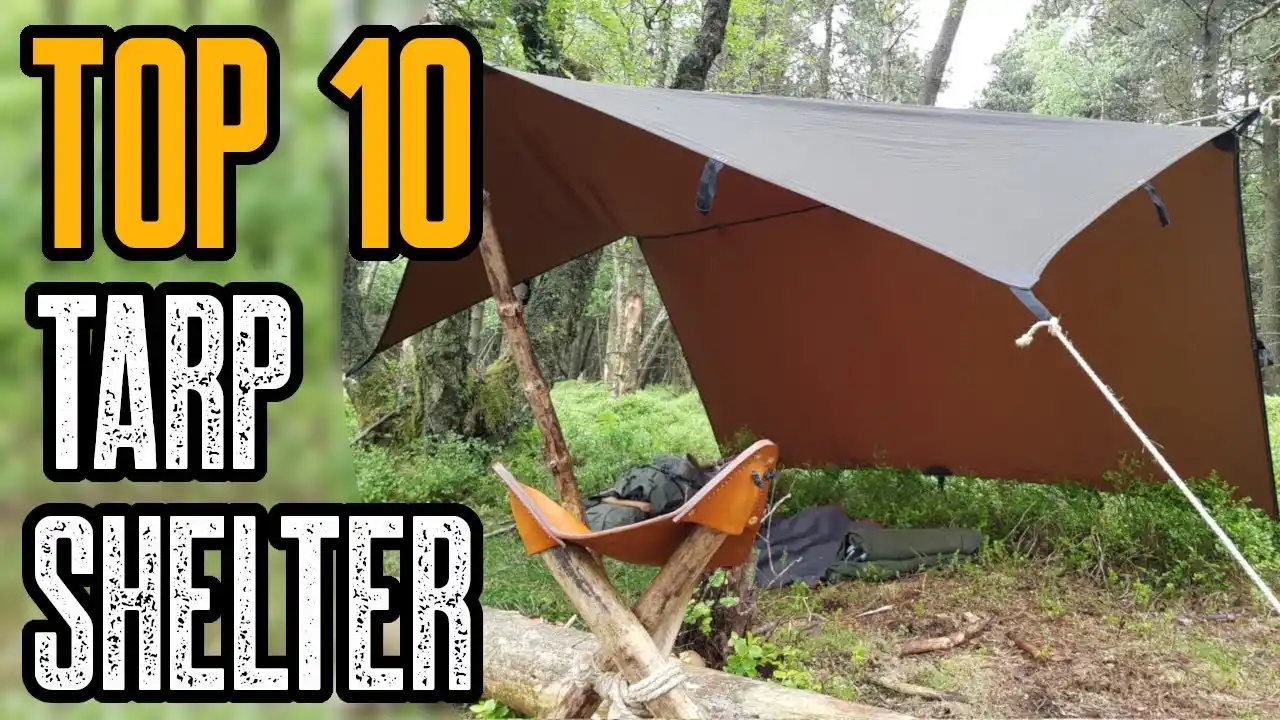
Protect yourself from elements with essential camping tarps and shelters. Review materials, sizes, and versatility for various outdoor conditions.
Essential Camping Tarps and Shelters Reviewed
Why Camping Tarps and Shelters are Your Outdoor MVP
When you're out in the wild, whether it's for a quick weekend getaway or an extended backcountry expedition, having reliable protection from the elements is non-negotiable. That's where camping tarps and shelters come into play. These aren't just fancy accessories; they're fundamental pieces of gear that can make or break your outdoor experience. Think about it: sudden downpours, scorching sun, or even just a persistent drizzle can quickly turn a fun trip into a miserable one if you're not adequately prepared. Tarps and shelters offer that crucial layer of defense, providing shade, rain protection, and even a windbreak. They're incredibly versatile, lightweight, and often more adaptable than a traditional tent, especially for minimalist campers or those looking to expand their campsite's functional space.
Beyond just basic protection, tarps and shelters open up a world of possibilities for campsite setup. You can create a communal cooking area, a dry space for gear storage, an emergency bivouac, or even an extension to your tent's vestibule. Their simplicity often belies their utility, making them a favorite among seasoned outdoor enthusiasts who appreciate multi-functional gear. In this comprehensive guide, we're going to dive deep into the world of camping tarps and shelters, exploring their various types, the materials they're made from, key features to look for, and how to choose the perfect one for your specific adventures. We'll also highlight some top product recommendations, comparing their pros, cons, and ideal use cases, along with their price points.
Understanding Camping Tarps: Versatility and Simplicity
Let's start with the humble camping tarp. Don't let its simple appearance fool you; a good tarp is a powerhouse of versatility. At its core, a tarp is a sheet of waterproof or water-resistant material, typically rectangular or square, with reinforced grommets or tie-out points along its edges. This design allows for an incredible array of pitching configurations, adapting to different environments and needs.
Types of Camping Tarps: From Flat to Shaped
- Flat Tarps: These are the most basic and versatile. They are typically rectangular or square and offer maximum flexibility in pitching. You can set them up as an A-frame, a lean-to, a diamond, or even a simple ground cloth. Their adaptability makes them popular for hammock camping, minimalist backpacking, or as an extra rain fly over a tent.
- Shaped Tarps (e.g., Hex, Cat-Cut): These tarps have pre-cut shapes designed to shed wind and rain more efficiently, often with a 'catamaran' or 'catenary' cut along the edges. This curved cut creates a tighter, more aerodynamic pitch, reducing flapping in windy conditions. Hex tarps are common for hammock camping, offering good coverage with less material than a flat tarp.
- Tarp-Tents: These are a hybrid, often designed to be pitched with trekking poles, forming a tent-like structure without a dedicated pole system. They offer more enclosed space than a simple tarp but are generally lighter than traditional tents.
Key Features to Consider in Camping Tarps: Material Matters
- Material: This is crucial for durability, weight, and waterproofing. Common materials include:
- Silnylon (Silicone-coated Nylon): Lightweight, strong, and highly waterproof. It's a popular choice for backpacking tarps due to its excellent strength-to-weight ratio. However, it can stretch when wet.
- Silpoly (Silicone-coated Polyester): Similar to silnylon but with less stretch when wet, making for a more stable pitch in damp conditions. It's also generally more UV resistant.
- Dyneema Composite Fabric (DCF/Cuben Fiber): The ultimate in ultralight performance. DCF is incredibly strong, completely waterproof, and doesn't absorb water, but it comes at a premium price.
- Polyester/Nylon (PU Coated): More affordable and durable, often found in heavier-duty tarps. The polyurethane (PU) coating provides waterproofing.
- Waterproof Rating (Hydrostatic Head): Measured in millimeters (mm), this indicates how much water pressure the fabric can withstand before leaking. For reliable rain protection, look for a rating of at least 1500mm, with 2000mm+ being excellent.
- Tie-Out Points: The more reinforced tie-out points, the more versatile your pitching options. Look for strong stitching and reinforcement at these points.
- Size and Weight: Balance coverage with packability. A larger tarp offers more protection but adds weight. Consider your group size and intended use.
Exploring Camping Shelters: Beyond the Basic Tarp
While tarps are incredibly versatile, dedicated camping shelters often offer more specialized features, greater enclosed space, or enhanced protection for specific scenarios. These can range from screen houses to elaborate group shelters.
Types of Camping Shelters: From Bug-Free Zones to Group Havens
- Screen Houses/Bug Shelters: Designed primarily to keep insects out, these shelters typically have mesh walls and a solid roof. They're perfect for car camping or base camps where you want a bug-free dining or lounging area.
- Event Shelters/Canopies: Larger, often freestanding structures designed for group gatherings, picnics, or as a central hub at a campsite. They prioritize shade and open space.
- Emergency Shelters/Bivy Sacks: These are minimalist, often single-person shelters designed for unexpected weather or ultralight overnight trips. Bivy sacks are essentially waterproof sleeping bag covers that offer a small amount of protection.
- Tent Footprints/Ground Cloths: While not shelters in themselves, these are essential accessories that protect the bottom of your tent from abrasion and moisture, extending its lifespan.
Key Features to Consider in Camping Shelters: Structure and Protection
- Structure: Freestanding shelters are easy to set up anywhere, while non-freestanding ones require stakes and guylines.
- Ventilation: Especially important for screen houses to prevent stuffiness and condensation.
- Floor vs. No Floor: Screen houses often have a floor to keep bugs out, while canopies typically do not.
- Packability: How small and light does it pack down? This is crucial for backpacking shelters.
- Ease of Setup: Some shelters are quick-pitch designs, while others might require more effort.
Top Product Recommendations: Your Go-To Gear Guide
Now that we've covered the basics, let's look at some specific products that stand out in the market. We'll compare their features, ideal use cases, and approximate price ranges to help you make an informed decision.
Best All-Around Camping Tarps: Versatility Meets Durability
1. MSR Thru-Hiker 70 Wing Tarp
- Description: This is a lightweight, versatile tarp designed for backpackers and minimalist campers. It's a rectangular tarp made from durable 20D ripstop nylon with a Durashield coating for excellent waterproofing. It features multiple reinforced guy points for various pitching options.
- Ideal Use: Ultralight backpacking, hammock camping, emergency shelter, minimalist camping.
- Pros: Extremely lightweight (around 1 lb 2 oz / 510g), very packable, highly waterproof, versatile pitching options.
- Cons: Requires trekking poles or external supports for pitching, no integrated bug netting.
- Price: Approximately $150 - $200 USD.
- Why we like it: Its balance of weight, durability, and versatility makes it a favorite for those who prioritize a light pack without sacrificing protection.
2. ENO ProFly XL Rain Tarp
- Description: Specifically designed for hammock campers, the ProFly XL is a hexagonal (hex) shaped tarp that offers extensive coverage for most hammocks. It's made from 210D ripstop nylon with a PU coating.
- Ideal Use: Hammock camping, providing ample rain and wind protection for your hammock setup.
- Pros: Excellent coverage for hammocks, easy to set up, durable material, good value.
- Cons: Heavier than some ultralight options, less versatile for ground pitching compared to flat tarps.
- Price: Approximately $80 - $100 USD.
- Why we like it: If you're a dedicated hammock camper, this tarp provides reliable, wide coverage, ensuring you stay dry and comfortable.
Top Camping Shelters: Enhanced Comfort and Protection
1. REI Co-op Screen House
- Description: A spacious, freestanding screen house designed for car camping and group gatherings. It features mesh walls to keep bugs out, a solid roof for sun and light rain protection, and two large zippered doors for easy entry.
- Ideal Use: Car camping, backyard gatherings, picnics, creating a bug-free dining or lounging area at a base camp.
- Pros: Excellent bug protection, spacious interior, easy setup (freestanding), good ventilation.
- Cons: Heavy and bulky for backpacking, not designed for heavy rain or strong winds.
- Price: Approximately $200 - $250 USD.
- Why we like it: For family camping or group trips, this screen house is a game-changer for enjoying meals and relaxing without being bothered by insects.
2. Kelty Noah's Tarp
- Description: A highly popular and versatile rectangular tarp available in various sizes (9x9, 12x12, 16x16 feet). It's made from 68D polyester with a 1800mm PU coating, offering a good balance of durability and waterproofing. It has multiple reinforced guy points.
- Ideal Use: Car camping, group shelter, gear storage, sunshade, emergency shelter, general campsite utility.
- Pros: Very durable, excellent value for money, highly versatile for various setups, available in multiple sizes.
- Cons: Heavier than ultralight options, requires poles or natural anchors for pitching.
- Price: Approximately $70 - $150 USD (depending on size).
- Why we like it: The Noah's Tarp is a workhorse. Its robust construction and multiple sizes make it suitable for almost any car camping or group outdoor scenario where you need reliable overhead protection.
3. Sea to Summit Escapist Tarp
- Description: An ultralight and compact tarp made from 15D Ultra-Sil Nano fabric, offering excellent waterproofing and a tiny packed size. It's available in square and rectangular shapes with multiple tie-out points.
- Ideal Use: Ultralight backpacking, thru-hiking, emergency shelter, minimalist camping where every ounce counts.
- Pros: Extremely lightweight (as low as 6.7 oz / 190g for the smallest size), incredibly packable, highly waterproof.
- Cons: Higher price point, requires careful handling due to thin fabric, no integrated bug netting.
- Price: Approximately $120 - $200 USD (depending on size).
- Why we like it: For the gram-counting backpacker, the Escapist Tarp offers unparalleled weight savings without compromising on essential weather protection.
Specialty Shelters: For Specific Needs
1. SOL Escape Bivvy
- Description: An emergency bivy sack that reflects 70% of radiated body heat. It's made from a proprietary waterproof, breathable fabric that prevents condensation buildup. It's designed to be used as a standalone emergency shelter or as a sleeping bag liner for added warmth.
- Ideal Use: Emergency situations, ultralight overnight trips, adding warmth to a sleeping bag, survival kits.
- Pros: Very compact and lightweight, highly effective at retaining heat, breathable, waterproof.
- Cons: Not a comfortable long-term shelter, limited space inside.
- Price: Approximately $50 - $70 USD.
- Why we like it: This is a must-have for any outdoor emergency kit. It provides crucial warmth and protection in unexpected situations.
Pitching Your Tarp or Shelter: Mastering the Art
Knowing how to pitch your tarp or shelter effectively is just as important as choosing the right one. The beauty of tarps, in particular, lies in their adaptability. Here are a few common pitching methods:
Common Tarp Pitching Techniques:
- A-Frame: This classic pitch uses a ridgeline (rope) strung between two trees or poles, with the tarp draped over it and staked out on the sides. It's excellent for rain and offers good ventilation.
- Lean-To: One side of the tarp is raised high with poles or trees, while the other side is staked low to the ground. Ideal for sunshade or as a windbreak, especially when facing into the wind.
- Diamond: Often used for smaller tarps or hammock setups, one corner is raised high, and the opposite corner is staked low, creating a diamond shape. Good for shedding rain.
- Plow Point/Half Pyramid: A more enclosed pitch that offers good wind and rain protection, often used in minimalist setups.
Tips for Effective Pitching:
- Site Selection: Choose a relatively flat spot, clear of sharp objects. Consider drainage if rain is expected.
- Use Natural Anchors: Trees, large rocks, or even your trekking poles can serve as excellent anchor points.
- Guy Lines and Tensioners: Use strong cordage and tensioners (like taut-line hitches or line-locs) to get a tight, stable pitch that won't sag in the wind or rain.
- Practice: Practice pitching your tarp or shelter in your backyard before heading out. This builds confidence and speed.
- Angle for Weather: Pitch your shelter to best deflect wind and rain. Angle the lowest side into the prevailing wind.
Care and Maintenance: Extending the Life of Your Shelter
To ensure your camping tarp or shelter lasts for many adventures, proper care and maintenance are essential. A little effort goes a long way in preserving its waterproofing and structural integrity.
Post-Trip Care:
- Clean Thoroughly: After each trip, especially if it's been muddy or dusty, clean your tarp or shelter. Use a soft brush or sponge with mild soap and water. Avoid harsh detergents or bleach, as they can damage the fabric and coatings.
- Dry Completely: This is perhaps the most critical step. Never pack away a wet or damp tarp or shelter. Mildew and mold can grow quickly, leading to unpleasant odors, fabric degradation, and compromised waterproofing. Hang it in a well-ventilated area, out of direct sunlight, until it's bone dry.
- Inspect for Damage: Check for any small tears, punctures, or worn-out areas. Address these promptly to prevent them from worsening.
Long-Term Storage:
- Loose Pack: When storing for extended periods, avoid tightly stuffing your tarp or shelter into its stuff sack. This can put stress on the fabric and coatings. Instead, loosely fold or roll it and store it in a breathable mesh bag or pillowcase.
- Cool, Dry Place: Store your gear in a cool, dry place away from direct sunlight, extreme temperatures, and humidity.
Waterproofing and Repair:
- Seam Sealing: Many tarps and shelters come with factory-taped seams, but over time, or with some ultralight models, you might need to seam seal them yourself. Use a silicone-based seam sealer for silnylon/silpoly and a specific DCF seam sealer for Dyneema.
- Re-Waterproofing: The DWR (Durable Water Repellent) coating on the fabric can wear off over time, causing the fabric to 'wet out' (absorb water instead of beading it off). You can reapply a spray-on or wash-in DWR treatment to restore its water repellency.
- Patching Tears: Small tears can often be repaired with specialized fabric repair tape (like Tenacious Tape) or a patch kit designed for your tarp's material. For larger tears, professional repair might be necessary.
Choosing Your Perfect Shelter: A Decision Matrix
With so many options, how do you pick the right tarp or shelter for your adventures? It really comes down to understanding your primary needs and priorities.
Consider Your Activity:
- Backpacking/Thru-Hiking: Prioritize ultralight and compact options like DCF or silnylon tarps (e.g., Sea to Summit Escapist, MSR Thru-Hiker).
- Hammock Camping: Look for hex or rectangular tarps with good coverage (e.g., ENO ProFly XL).
- Car Camping/Group Trips: Durability, space, and ease of setup are key. Consider larger polyester tarps (e.g., Kelty Noah's Tarp) or screen houses (e.g., REI Co-op Screen House).
- Emergency Preparedness: A compact, heat-reflective bivy sack (e.g., SOL Escape Bivvy) is essential.
Think About the Weather:
- Rainy Conditions: High waterproof ratings (2000mm+), good seam sealing, and effective pitching techniques are crucial.
- Windy Conditions: Look for aerodynamic shapes (cat-cut tarps), strong tie-out points, and robust materials.
- Hot/Sunny Conditions: Prioritize shade and ventilation. Lighter colored tarps reflect more sun.
- Buggy Conditions: A screen house or a tarp with an integrated bug net is a lifesaver.
Budget and Durability:
- Entry-Level/Budget-Friendly: PU-coated polyester or nylon tarps offer good performance at a lower price point.
- Mid-Range: Silnylon/silpoly tarps provide a great balance of weight, durability, and cost.
- Premium/Ultralight: DCF tarps are the lightest and most durable but come with a significant price tag.
Ultimately, the best camping tarp or shelter is the one that perfectly matches your specific outdoor needs and preferences. By understanding the different types, materials, and features, you're well-equipped to make an informed decision and enhance your outdoor adventures with reliable protection from the elements.
:max_bytes(150000):strip_icc()/277019-baked-pork-chops-with-cream-of-mushroom-soup-DDMFS-beauty-4x3-BG-7505-5762b731cf30447d9cbbbbbf387beafa.jpg)