Essential Gaiters for Hiking and Snowshoeing
Protect your lower legs with essential gaiters for hiking and snowshoeing. Review materials, fit, and durability for keeping debris out.
Protect your lower legs with essential gaiters for hiking and snowshoeing. Review materials, fit, and durability for keeping debris out.
Essential Gaiters for Hiking and Snowshoeing Your Ultimate Guide
Why Gaiters Are a Must-Have for Outdoor Enthusiasts
When you're out on the trail, whether it's a challenging hike through muddy terrain or a serene snowshoeing adventure in fresh powder, there's one piece of gear that often gets overlooked but can make a world of difference: gaiters. These unassuming fabric sleeves, worn over your boots and lower pants, act as a crucial barrier, protecting your feet and lower legs from a myriad of outdoor nuisances. Think about it: no more pebbles sneaking into your boots, no more wet socks from splashing through puddles, and certainly no more snow packing into your laces. Gaiters are your first line of defense against debris, moisture, and even minor abrasions from brush or rocks. They keep your socks dry, your feet comfortable, and your focus on the breathtaking scenery around you, not on discomfort. For anyone serious about enjoying the outdoors, from casual day hikers to seasoned mountaineers, understanding the benefits and choosing the right gaiters is an absolute game-changer.
Understanding Gaiter Types and Their Ideal Use Cases
Not all gaiters are created equal, and choosing the right type depends heavily on your intended activity and the conditions you expect to encounter. Generally, gaiters can be categorized by their height and the materials they're made from, which dictates their primary function.
Low Gaiters for Trail Running and Light Hiking
Low gaiters, typically extending just above the ankle, are designed for fast-paced activities on relatively clear trails. They're lightweight, breathable, and primarily focus on keeping small debris like sand, pebbles, and twigs out of your shoes. They're not meant for deep snow or heavy rain but excel in dusty or gravelly conditions. Think of them as a minimalist solution for maximum comfort on well-maintained paths.
Mid-Calf Gaiters for General Hiking and Backpacking
Mid-calf gaiters offer a good balance of protection and breathability, making them a versatile choice for general hiking and backpacking. They extend further up the calf, providing better protection against splashes, mud, and light brush. They're a popular choice for three-season hiking where you might encounter varied terrain and occasional wet spots. They strike a good balance between protection and not being overly cumbersome.
Full-Length or High Gaiters for Snowshoeing, Mountaineering, and Bushwhacking
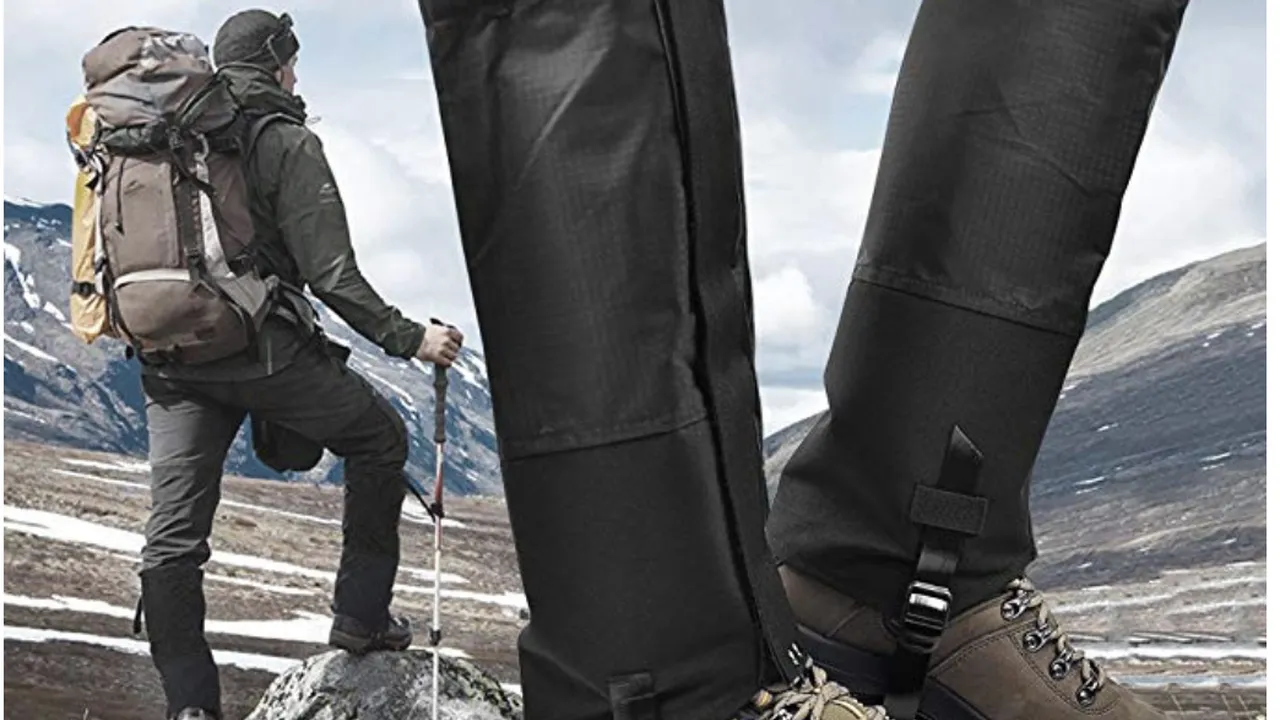
These are the heavy-duty champions of the gaiter world, extending all the way up to just below the knee. Full-length gaiters are essential for activities in deep snow, such as snowshoeing, winter hiking, or mountaineering, where they prevent snow from entering your boots and soaking your pants. They also offer superior protection against thick brush, thorns, and heavy rain. Often made from more robust, waterproof, and breathable materials, they are built to withstand the harshest conditions. If you're venturing into truly wild or snowy environments, these are your go-to.
Key Features to Consider When Selecting Your Gaiters
Beyond just height, several other features contribute to a gaiter's performance, durability, and comfort. Paying attention to these details will ensure you pick the best pair for your adventures.
Gaiter Material and Durability for Longevity
The material of your gaiters is paramount. Most are made from durable nylon or polyester, often treated with a Durable Water Repellent (DWR) finish. For waterproof and breathable performance, look for gaiters featuring Gore-Tex, Pertex Shield, or proprietary waterproof membranes. These materials are crucial for keeping moisture out while allowing perspiration to escape, preventing clamminess. For heavy-duty use, consider gaiters with reinforced sections, especially around the ankle and instep, to resist abrasion from rocks, ice, or crampons.
Gaiter Fit and Closure Systems for Secure Wear
A good fit is essential for gaiter effectiveness. They should be snug enough to prevent debris from entering but not so tight that they restrict circulation or movement. Most gaiters feature a combination of closure systems: a front opening with a hook-and-loop (Velcro) closure, often backed by a zipper or snaps, for easy on and off. The top closure usually involves a drawcord, elastic, or strap to cinch around your calf, preventing snow or water from entering from above. The bottom typically has a lace hook that attaches to your boot laces and an instep strap that goes under your boot. This strap is critical for keeping the gaiter securely in place and preventing it from riding up. Look for durable, adjustable instep straps, often made from Hypalon or a similar robust material, as this is a high-wear area.
Breathability and Ventilation for Comfort
While waterproofing is important, breathability prevents your lower legs from becoming sweaty and uncomfortable. High-quality gaiters use breathable membranes that allow water vapor to escape. Some designs also incorporate mesh panels or strategic ventilation points, particularly in warmer weather gaiters, to enhance airflow without compromising protection.
Instep Strap Durability and Replacement Options
The instep strap is arguably the most vulnerable part of a gaiter, constantly rubbing against the ground, rocks, and ice. Look for straps made from highly durable materials like Hypalon, a synthetic rubber known for its abrasion resistance. Some premium gaiters offer replaceable instep straps, which can significantly extend the lifespan of your gaiters, as a worn-out strap doesn't mean the entire gaiter is useless.
Top Recommended Gaiters for Various Outdoor Activities
To help you narrow down your choices, here are some highly-regarded gaiters that excel in different scenarios, complete with their ideal use cases, key features, and approximate pricing.
Outdoor Research Crocodile Gaiters: The All-Rounder for Rugged Terrain
Ideal Use Case: Mountaineering, winter hiking, snowshoeing, heavy-duty backpacking in challenging conditions. Key Features: These are legendary for a reason. Made with a durable 3-layer 70D Gore-Tex upper and a rugged 1000D Cordura lower, they offer exceptional waterproofing and abrasion resistance. The large front opening with a hook-and-loop closure makes them easy to put on over bulky boots. They feature a durable Hypalon instep strap and a metal lace hook. Their tall design provides maximum protection against deep snow and debris. Pros: Extremely durable, excellent waterproofing, easy to put on, reliable instep strap. Cons: Can be a bit warm in mild conditions, relatively bulky. Approximate Price: $80 - $100 USD
Sea to Summit Quagmire Gaiters: Robust Protection for Bushwhacking
Ideal Use Case: Bushwhacking, heavy-duty hiking, wet and muddy conditions, protecting against thorns and sharp vegetation. Key Features: The Quagmire gaiters are built tough, often featuring a 450D Ripstop Nylon upper and a super durable 1000D Cordura lower. While not always Gore-Tex, they use a highly water-resistant and breathable fabric with a DWR finish. They have a secure front opening with a hook-and-loop closure and a strong, adjustable Hypalon instep strap. Their robust construction makes them ideal for pushing through dense undergrowth. Pros: Very durable, excellent for protecting against vegetation, good water resistance. Cons: Can be less breathable than Gore-Tex options, slightly heavier. Approximate Price: $60 - $80 USD
Black Diamond Apex Gaiters: Streamlined for Alpine Pursuits
Ideal Use Case: Alpine climbing, ice climbing, technical mountaineering where weight and a streamlined fit are important. Key Features: Designed with a focus on performance in technical terrain, the Apex gaiters often feature a lightweight yet durable Gore-Tex Pro fabric for superior breathability and waterproofing. They have a more athletic, streamlined fit to prevent snagging on crampons or rock. The instep strap is typically a low-profile, durable cord or webbing, and the top closure is often a simple elastic drawcord. They prioritize function and minimal bulk. Pros: Excellent breathability, lightweight, streamlined fit, great for technical climbing. Cons: Less robust than some heavy-duty options, potentially less forgiving fit. Approximate Price: $90 - $120 USD
Dirty Girl Gaiters: Lightweight and Fun for Trail Running
Ideal Use Case: Trail running, light hiking, keeping small debris out of shoes in dry conditions. Key Features: These are the antithesis of heavy-duty gaiters. Made from lightweight, breathable Lycra or similar stretchy fabrics, Dirty Girl Gaiters are all about comfort and keeping pebbles out. They attach to your shoe with a simple hook-and-loop patch (often sold separately or you apply it to your shoe) and have no instep strap. They come in a huge variety of fun patterns and are incredibly popular in the ultralight and trail running communities. Pros: Extremely lightweight, highly breathable, comfortable, fun designs, very affordable. Cons: Not waterproof, minimal protection against heavy brush or deep snow, less durable than traditional gaiters. Approximate Price: $20 - $30 USD
Rab Latok Alpine Gaiters: Performance for Serious Mountain Adventures
Ideal Use Case: Winter mountaineering, ice climbing, demanding alpine expeditions. Key Features: Rab's Latok Alpine Gaiters are built for serious conditions. They often utilize a combination of durable waterproof fabrics, such as eVent or Pertex Shield, for excellent weather protection and breathability. They feature a robust front hook-and-loop closure, a secure underfoot strap (often a durable TPU or Hypalon), and a top drawcord. The design is typically articulated for a better fit over mountaineering boots, and they often include reinforced areas for crampon protection. Pros: High performance in extreme conditions, excellent waterproofing and breathability, durable construction. Cons: Premium price point, can be overkill for casual use. Approximate Price: $70 - $90 USD
Proper Gaiter Sizing and How to Wear Them Correctly
Even the best gaiters won't perform well if they don't fit properly or aren't worn correctly. Sizing usually corresponds to your boot size and calf circumference. Always check the manufacturer's sizing chart, as there can be variations between brands. When trying them on, ensure they fit snugly around your boot and calf without being too tight. There should be no gaps where debris could enter.
To wear gaiters:
- Open the front closure and slide the gaiter over your boot, ensuring the lace hook is positioned at the front.
- Attach the lace hook to your boot laces, usually the lowest one.
- Fasten the instep strap under your boot. Adjust it so it's taut but not overly tight, ensuring the gaiter is pulled down securely over your boot.
- Close the front hook-and-loop or zipper closure, making sure it's fully sealed.
- Tighten the top drawcord or strap around your calf to prevent anything from falling in from above.
A common mistake is wearing them inside out or backward, so pay attention to the lace hook and instep strap placement. The goal is a seamless extension of your pants and boots, creating an impenetrable barrier.
Maintenance and Care for Extending Gaiter Lifespan
Like all outdoor gear, gaiters benefit from proper care. After each use, especially in muddy or snowy conditions, clean them. Brush off loose dirt and rinse them with water. For a deeper clean, hand wash them with a mild soap or a technical wash designed for waterproof fabrics. Avoid harsh detergents or fabric softeners, as these can degrade the DWR coating and waterproof membrane.
Allow them to air dry completely before storing them in a cool, dry place. Periodically, you may need to reapply a DWR treatment to maintain their water repellency. This is especially true for gaiters that see a lot of use or have been washed multiple times. Inspect the instep straps and lace hooks regularly for wear and tear, and replace them if necessary. With proper care, a good pair of gaiters can last for many seasons, protecting your feet and enhancing your outdoor experiences.
Gaiters in Action Real-World Scenarios
Let's consider a few scenarios where gaiters truly shine:
Snowshoeing Through Fresh Powder
Imagine you're snowshoeing on a bluebird day, fresh powder everywhere. Without gaiters, every step would send snow cascading into your boots, quickly leading to cold, wet feet and a miserable experience. Full-length, waterproof gaiters create a seal, keeping the snow out and your feet warm and dry, allowing you to enjoy the winter wonderland without a second thought.
Hiking a Muddy Trail After Rain
You're on a popular hiking trail, but a recent downpour has turned sections into a muddy mess. As you navigate the slippery terrain, mud splashes up. Mid-calf or full-length gaiters prevent that mud from coating your pants and soaking into your socks, saving you from discomfort on the trail and a huge cleaning job later.
Bushwhacking Off-Trail
Sometimes the adventure calls for going off the beaten path. When you're pushing through dense brush, thorny bushes, or tall grasses, gaiters act as armor for your lower legs. They protect against scratches, scrapes, and prevent seeds or burrs from clinging to your socks and pants, making your off-trail excursions much more comfortable and less irritating.
Crossing Small Streams or Wet Grass
Even seemingly innocuous obstacles like dew-soaked grass in the morning or shallow stream crossings can lead to wet feet. Low or mid-calf gaiters provide just enough barrier to deflect splashes and moisture, keeping your socks dry and preventing blisters that often arise from wet feet.
In essence, gaiters are a small investment that yields significant returns in comfort, protection, and overall enjoyment of your outdoor pursuits. Don't underestimate their power to transform a potentially uncomfortable outing into a truly pleasant one.
:max_bytes(150000):strip_icc()/277019-baked-pork-chops-with-cream-of-mushroom-soup-DDMFS-beauty-4x3-BG-7505-5762b731cf30447d9cbbbbbf387beafa.jpg)