Comparing Climbing Gloves for Protection and Grip
Protect your hands with climbing gloves for protection and grip. Compare materials, padding, and dexterity for various climbing disciplines.
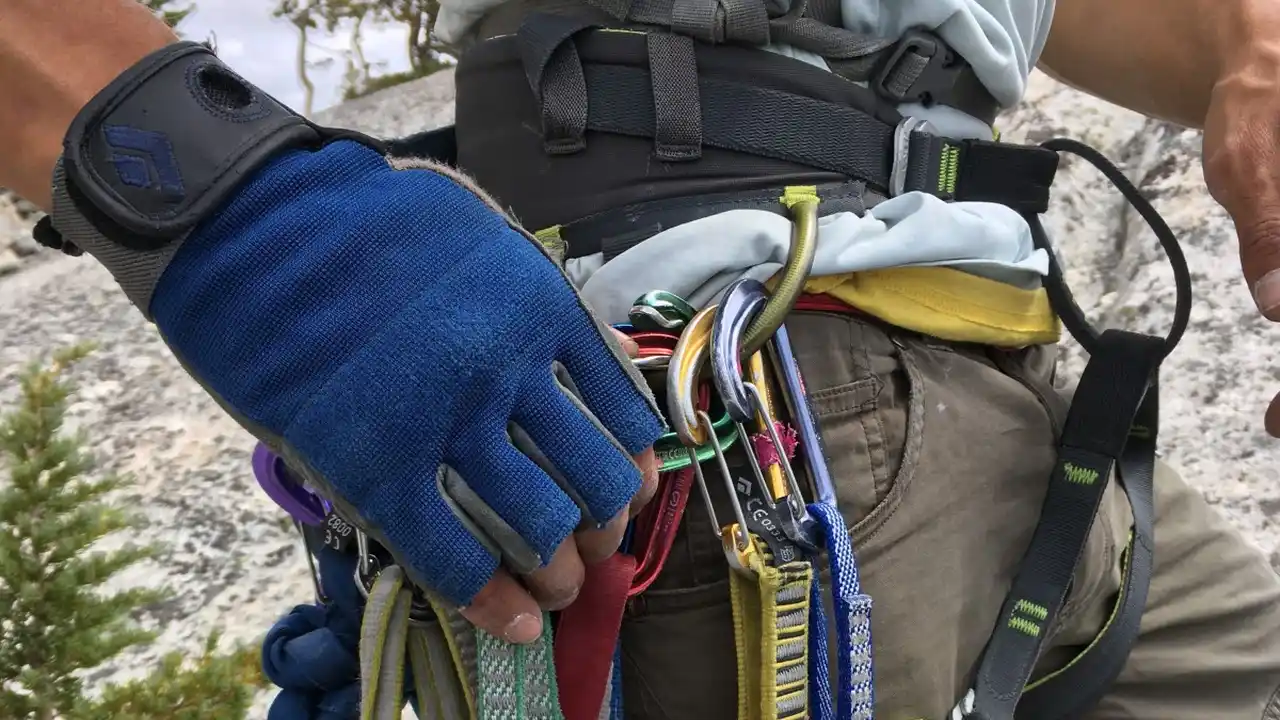
Protect your hands with climbing gloves for protection and grip. Compare materials, padding, and dexterity for various climbing disciplines.
Comparing Climbing Gloves for Protection and Grip
Climbing is an incredibly rewarding sport, offering breathtaking views, physical challenges, and a deep connection with nature. However, it also comes with its share of risks, and protecting your hands is paramount. Whether you're belaying a friend, rappelling down a multi-pitch route, or tackling a challenging crack climb, a good pair of climbing gloves can make all the difference. They offer protection from rope burn, abrasions, and even provide an enhanced grip in certain situations. But with so many options on the market, how do you choose the right pair? This comprehensive guide will delve into the world of climbing gloves, comparing different types, materials, and features to help you find the perfect fit for your climbing adventures.
Understanding Climbing Glove Types and Their Uses
Climbing gloves aren't a one-size-fits-all solution. Different climbing disciplines demand different levels of protection and dexterity. Let's break down the main types:
Belay and Rappel Gloves for Rope Handling Safety
These are perhaps the most common type of climbing glove. Their primary purpose is to protect your hands from the friction and heat generated by ropes during belaying and rappelling. They typically feature durable leather palms and fingers, often reinforced in high-wear areas. The backs are usually made of a breathable synthetic material to prevent overheating. Dexterity is important, but secondary to protection. You need to be able to manipulate the rope and your belay device effectively, but fine motor skills aren't as critical as with other glove types.
Key Features of Belay and Rappel Gloves
- Durable Palm Material: Often full leather or synthetic leather for maximum abrasion resistance.
- Reinforced Wear Points: Extra padding or layers on the thumb, index finger, and palm where the rope runs.
- Breathable Backing: Synthetic fabrics like nylon or spandex to keep hands cool.
- Secure Closure: Velcro wrist closures are common for a snug fit.
- Hanging Loop: A small loop to clip them to your harness when not in use.
Recommended Belay and Rappel Gloves
Black Diamond Crag Half-Finger Gloves: A perennial favorite, these offer excellent dexterity with half-fingers, making knot tying and gear handling easier. They feature synthetic leather palms and breathable mesh backs. They are incredibly durable for their price point, typically retailing around $25-$30 USD. Ideal for gym climbing, sport climbing, and light trad climbing where maximum dexterity is desired for gear placement.
Petzl Cordex Gloves: Known for their robust construction, the Cordex gloves are full-fingered and made from high-quality goat leather. They offer superior protection for heavy-duty belaying and rappelling, especially on longer routes or with thicker ropes. Expect to pay around $40-$50 USD. Best suited for multi-pitch climbing, big wall climbing, and rescue scenarios.
Mammut Crag Work Gloves: These gloves strike a good balance between protection and comfort. They feature a combination of goat leather and synthetic materials, offering good durability and breathability. They are often priced around $35-$45 USD. A versatile option for a wide range of climbing activities.
Crack Climbing Gloves for Hand Protection
Crack climbing is a unique discipline where climbers insert their hands, fists, or other body parts into cracks in the rock for protection and upward movement. This can be incredibly abrasive on the skin. Crack climbing gloves, often called 'tape gloves' or 'crack gloves,' are designed to protect the back of the hand and knuckles from the sharp edges of the rock while maintaining friction for jamming. They are typically thin, form-fitting, and often have a rubberized outer layer for enhanced grip.
Key Features of Crack Climbing Gloves
- Thin and Form-Fitting: To allow hands to fit into narrow cracks.
- Rubberized Backing: For friction and protection against rock abrasion.
- Minimal Padding: To maintain sensitivity and feel for the rock.
- Secure Fit: Often with a strap or elastic closure to prevent slippage.
Recommended Crack Climbing Gloves
Outdoor Research Splitter Gloves: These are a popular choice, featuring a durable synthetic suede palm and a rubberized back for excellent friction and protection. They are thin enough to fit into most cracks and offer good dexterity. Priced around $40-$50 USD. Excellent for all levels of crack climbing, from beginner to advanced.
Ocun Crack Gloves: Ocun is a brand well-regarded for its crack climbing specific gear. Their crack gloves are known for their anatomical fit and sticky rubber backing, providing superior grip and protection. They come in various sizes to ensure a snug fit. Expect to pay around $45-$55 USD. A top-tier option for serious crack climbers.
Camp USA Crack Gloves: These offer a more minimalist design, focusing on essential protection and feel. They are lightweight and packable, making them a good option for climbers who only occasionally encounter crack sections. Typically around $30-$40 USD. Good for occasional crack climbing or as a backup pair.
Full-Finger vs Half-Finger Gloves: Dexterity vs Protection
This is a common dilemma when choosing belay and rappel gloves. Each has its advantages:
Full-Finger Gloves for Maximum Protection
Full-finger gloves offer the most comprehensive protection against rope burn, abrasions, and cold. They are ideal for long rappels, multi-pitch routes, and situations where you'll be handling ropes extensively. They also provide some warmth in cooler conditions. However, they can reduce dexterity, making it harder to tie knots, handle small gear, or use touchscreens.
Half-Finger Gloves for Enhanced Dexterity
Half-finger gloves, also known as fingerless gloves, leave your fingertips exposed. This significantly improves dexterity, allowing for easier knot tying, gear manipulation, and even using your phone. They are popular for gym climbing, sport climbing, and shorter trad routes where fine motor skills are frequently needed. The trade-off is reduced protection for your fingertips, making them more susceptible to rope burn or abrasions.
Materials Matter: Leather vs Synthetic
The materials used in climbing gloves directly impact their durability, grip, and breathability.
Leather Climbing Gloves: Durability and Feel
Leather, particularly goat leather, is a traditional and highly effective material for climbing gloves. It offers excellent abrasion resistance, a natural grip, and molds to your hands over time for a comfortable fit. Leather gloves tend to be very durable and can withstand significant abuse from ropes and rock. However, they can be less breathable than synthetic options and may take longer to dry if they get wet. They also often require a break-in period.
Synthetic Climbing Gloves: Breathability and Quick Drying
Synthetic materials like nylon, spandex, and synthetic leather offer a different set of advantages. They are generally more breathable, lighter, and quicker to dry than leather. Synthetic leather can mimic the durability of natural leather while offering consistent performance. These gloves are often more flexible from the start and require less break-in. The trade-off can sometimes be slightly less long-term durability compared to high-quality leather, especially in high-friction areas.
Fit and Sizing: A Crucial Consideration
A well-fitting pair of climbing gloves is essential for both comfort and performance. Gloves that are too loose can bunch up, reduce grip, and even become a safety hazard. Gloves that are too tight can restrict blood flow, cause discomfort, and limit dexterity. Most manufacturers provide sizing charts based on hand circumference or length. It's always best to try on gloves if possible, or at least measure your hands carefully and compare them to the brand's specific sizing guide. Remember that leather gloves will stretch slightly over time, so a snug fit initially is often desirable.
Additional Features to Look For in Climbing Gloves
Beyond the basic type and material, several other features can enhance the performance and longevity of your climbing gloves:
Reinforced Palms and Fingers for Enhanced Durability
Look for gloves with extra layers of material or padding in high-wear areas, such as the base of the fingers, the thumb, and the palm. This significantly extends the lifespan of the gloves, especially for frequent belayers and rappellers.
Padded Knuckles for Impact Protection
Some gloves, particularly those designed for more aggressive climbing or mountaineering, may feature padded knuckles. This offers protection against impacts with rock or ice, which can be a welcome addition in certain environments.
Wrist Closures and Loops for Secure Fit and Storage
A secure wrist closure, typically Velcro, ensures the gloves stay in place during strenuous activity. A small loop on the wrist allows you to clip the gloves to your harness with a carabiner, preventing them from getting lost when you're not wearing them.
Touchscreen Compatibility for Modern Convenience
In an increasingly digital world, some climbing gloves now feature touchscreen-compatible fingertips. This allows you to use your smartphone or GPS device without having to remove your gloves, a small but significant convenience, especially in cold weather.
Caring for Your Climbing Gloves: Extending Their Lifespan
Proper care can significantly extend the life of your climbing gloves. Here are a few tips:
- Clean Regularly: Remove dirt and grime with a damp cloth. For leather gloves, use a specialized leather cleaner if necessary.
- Air Dry: Always air dry your gloves away from direct heat. Never put them in a dryer, as this can damage the materials, especially leather.
- Condition Leather: For leather gloves, periodically apply a leather conditioner to keep the leather supple and prevent cracking.
- Store Properly: Store your gloves in a cool, dry place away from direct sunlight.
Choosing the Right Gloves for Your Climbing Style
Ultimately, the best climbing gloves for you will depend on your specific climbing style and needs. Consider the following scenarios:
Sport Climbing and Gym Climbing
For these disciplines, where you're primarily belaying and not dealing with extensive rope friction or harsh rock, half-finger belay gloves are often preferred for their dexterity. The Black Diamond Crag Half-Finger Gloves are an excellent choice here.
Trad Climbing and Multi-Pitch Climbing
If you're tackling longer routes, multi-pitch climbs, or frequently rappelling, full-finger belay gloves like the Petzl Cordex will offer superior protection and durability. If crack climbing is a significant part of your trad climbing, investing in dedicated crack gloves like the Outdoor Research Splitter Gloves is highly recommended.
Mountaineering and Alpine Climbing
In colder, harsher environments, you'll need gloves that offer both protection and warmth. Look for full-finger gloves with good insulation and waterproofing. While not strictly 'climbing gloves' in the belay sense, robust mountaineering gloves are essential for handling ropes and gear in alpine conditions.
By understanding the different types of climbing gloves, their materials, and key features, you can make an informed decision that enhances your safety, comfort, and performance on the rock. Invest wisely, and your hands will thank you for it on countless climbing adventures.
:max_bytes(150000):strip_icc()/277019-baked-pork-chops-with-cream-of-mushroom-soup-DDMFS-beauty-4x3-BG-7505-5762b731cf30447d9cbbbbbf387beafa.jpg)