Essential Camping Lanterns and Headlamps Reviewed
Review of essential camping lanterns and headlamps. Explore brightness, battery life, and durability for reliable illumination in the wilderness.
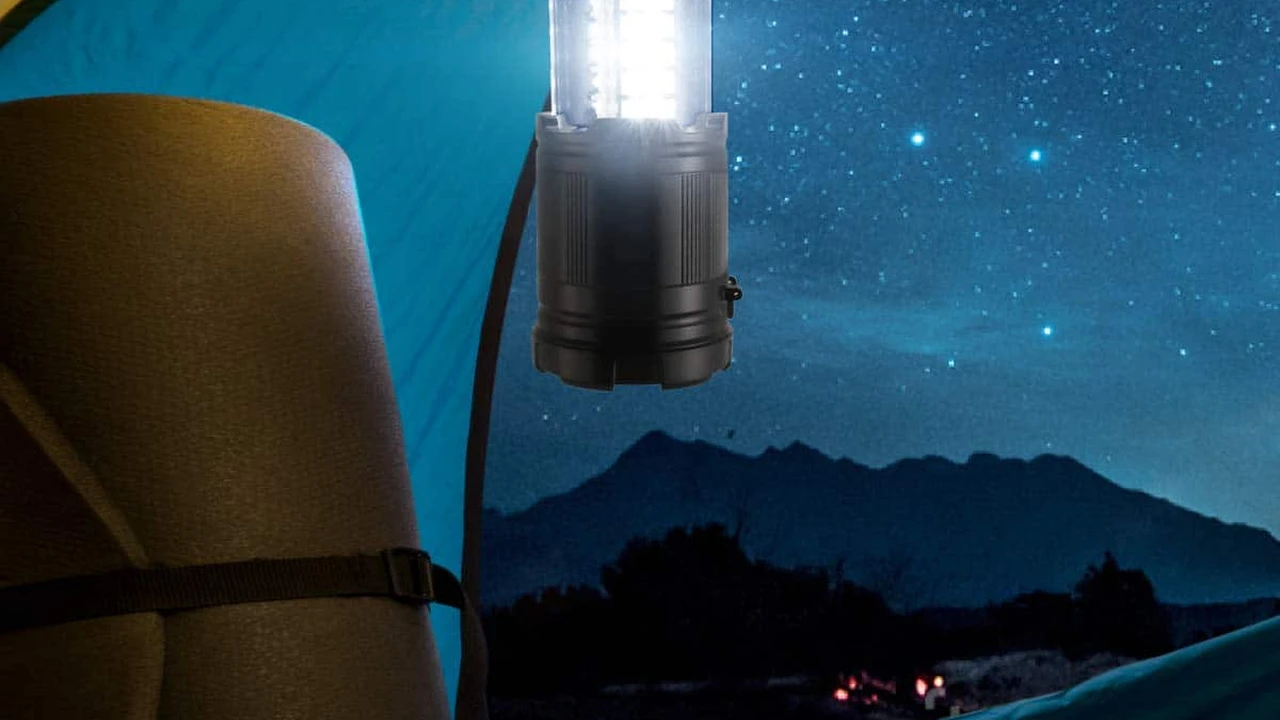
Review of essential camping lanterns and headlamps. Explore brightness, battery life, and durability for reliable illumination in the wilderness.
Essential Camping Lanterns and Headlamps Reviewed
When you're out in the wilderness, whether it's for a weekend camping trip or a multi-day backpacking adventure, reliable illumination isn't just a convenience—it's a necessity. Imagine fumbling around in the dark trying to set up your tent, cook dinner, or find something in your pack. Not fun, right? That's where essential camping lanterns and headlamps come into play. These aren't just about seeing; they're about safety, efficiency, and enhancing your overall outdoor experience. From navigating tricky trails after dusk to illuminating your campsite for a late-night card game, the right lighting gear makes all the difference. In this comprehensive guide, we're going to dive deep into the world of portable lighting, exploring everything from brightness and battery life to durability and special features. We'll help you understand what to look for, compare some of the best products on the market, and ensure you're never left in the dark again.
Understanding Brightness and Lumens for Camping Lights
Let's start with the basics: brightness. When you're shopping for a camping lantern or headlamp, you'll often see a number followed by 'lumens.' What exactly are lumens? Simply put, lumens are a measure of the total amount of visible light emitted by a source. The higher the lumen count, the brighter the light. But more lumens aren't always better. The ideal brightness depends heavily on your intended use. For instance, a headlamp for reading in your tent might only need 20-50 lumens, while a lantern to illuminate an entire campsite could require 200-500 lumens or more. For navigating trails at night, a headlamp with 100-300 lumens usually strikes a good balance between visibility and battery efficiency. It's also important to consider beam type. Headlamps often offer different beam patterns: a floodlight for wide area illumination and a spotlight for long-distance viewing. Some even have red light modes, which are great for preserving night vision and not disturbing others. Understanding these nuances will help you choose a light that's perfectly suited to your specific outdoor activities.
Battery Life and Power Sources for Outdoor Illumination
What good is a bright light if it dies on you halfway through the night? Battery life is paramount for any camping light. Most modern lanterns and headlamps use either disposable alkaline batteries (AA, AAA, D) or rechargeable lithium-ion batteries. Rechargeable options are becoming increasingly popular due to their environmental friendliness and cost savings over time. Many now feature USB charging, allowing you to power them up from a power bank, solar panel, or even your car. When evaluating battery life, look for the 'run time' specification, often listed in hours at different brightness settings. Keep in mind that the highest lumen setting will drain batteries much faster than lower settings. Some advanced models even have power indicators, so you know exactly how much juice you have left. For extended trips, consider bringing spare batteries or a portable power bank. Solar-powered lanterns are also a fantastic eco-friendly option, though their charging speed can be dependent on sunlight availability. Hand-crank or shake-to-charge lights are great for emergencies but typically offer limited brightness and run time for continuous use.
Durability and Weather Resistance for Wilderness Gear
The outdoors can be unpredictable, and your gear needs to withstand the elements. Durability and weather resistance are crucial for camping lanterns and headlamps. Look for ratings like IPX (Ingress Protection) which indicate how well a device is protected against solids (like dust) and liquids (like water). An IPX4 rating means it can withstand splashes from any direction, making it suitable for light rain. IPX7 means it can be submerged in up to 1 meter of water for 30 minutes, which is great for kayaking or if you accidentally drop it in a puddle. Beyond water resistance, consider the construction materials. Many high-quality lights are made from durable plastics or aluminum, designed to withstand drops and impacts. Look for features like rubberized coatings for better grip and shatterproof lenses. A robust design ensures your light will continue to perform reliably, even after being tossed around in a backpack or exposed to rough conditions. After all, you don't want your primary light source to fail when you're miles from civilization.
Key Features and Ergonomics of Camping Headlamps
Headlamps are incredibly versatile, freeing up your hands for tasks like cooking, setting up camp, or navigating. But not all headlamps are created equal. When choosing one, consider its key features and ergonomics. Comfort is paramount, especially if you'll be wearing it for extended periods. Look for adjustable, breathable headbands that don't chafe. The weight of the headlamp also plays a role in comfort; lighter models are generally preferred for backpacking. Beam adjustability is another important feature. Can you easily switch between a wide floodlight for general illumination and a focused spot beam for distance? Many headlamps offer multiple brightness settings, allowing you to conserve battery life when maximum illumination isn't needed. Some even have a 'lockout' feature to prevent accidental activation in your pack, saving precious battery. Red light mode is a fantastic addition for preserving night vision and avoiding blinding your tent-mates. Finally, consider the user interface: are the buttons easy to find and operate, even with gloves on? A well-designed headlamp should be intuitive and comfortable to use in any situation.
Top Camping Lanterns for Campsite Illumination
For illuminating your entire campsite, a good camping lantern is indispensable. These are designed to cast a wide, even glow, making your camp feel more like home. Let's look at some top contenders and their specific use cases.
Goal Zero Lighthouse 600 Lantern and USB Power Hub
The Goal Zero Lighthouse 600 is a powerhouse for campsite illumination. It's not just a lantern; it's also a USB power hub, meaning you can charge your phone or other small devices directly from it. This is a huge plus for longer trips where power outlets are non-existent. It boasts 600 lumens of bright, dimmable LED light, capable of illuminating a large area. You can choose between 360-degree or 180-degree lighting, which is great for directing light where you need it and conserving battery. It offers multiple power options: a built-in hand crank for emergency power, a USB charging port, and it's compatible with Goal Zero's solar panels for off-grid recharging. The collapsible legs make it easy to stand on a table or hang from a tent pole. Its robust design ensures durability. Use Case: Ideal for family camping, car camping, or as a basecamp light where you need reliable, long-lasting illumination and device charging. Price: Around $70-$80 USD.
Black Diamond Moji Lantern
If you're looking for something compact, lightweight, and incredibly versatile, the Black Diamond Moji Lantern is a fantastic choice. It's a small, spherical lantern that puts out 100 lumens of bright, non-glaring light. While 100 lumens might not sound like much compared to others, for its size, it's surprisingly effective at illuminating a tent or a small picnic table. It runs on 3 AAA batteries, offering a decent run time, and features a dimming switch for adjustable brightness. The double hook loop makes it easy to hang inside a tent or from a branch. Its simple, elegant design and ease of use make it a favorite among minimalists. Use Case: Perfect for backpacking, tent lighting, or as a personal lantern for individual use. Its small size makes it highly portable. Price: Approximately $20-$25 USD.
Coleman Classic LED Lantern
For those who prefer a more traditional lantern feel with modern LED efficiency, the Coleman Classic LED Lantern is a reliable choice. Coleman has been a staple in camping gear for decades, and this lantern lives up to their reputation. It offers up to 400 lumens of light, providing ample illumination for a large campsite. It runs on D-cell batteries, which offer extended run times, though they do add to the weight. The classic design with a sturdy handle and durable construction makes it a workhorse. It's simple to operate with a single dial for on/off and brightness adjustment. Use Case: Excellent for car camping, base camps, or situations where weight isn't a primary concern but long-lasting, bright illumination is. Price: Around $30-$40 USD.
LuminAID PackLite Max 2-in-1 Power Lantern
For the eco-conscious adventurer, the LuminAID PackLite Max 2-in-1 Power Lantern is a game-changer. This inflatable, solar-powered lantern collapses flat for easy packing and inflates to provide a soft, diffused light. It offers up to 150 lumens and can run for up to 50 hours on a single charge. What makes it truly unique is its built-in solar panel, allowing you to recharge it simply by leaving it in the sun. It also has a USB charging port for faster charging or to charge small devices. It's waterproof and floats, making it great for water-based activities too. Use Case: Ideal for backpacking, emergency kits, international travel, or anyone looking for a sustainable and compact lighting solution. Price: Roughly $40-$50 USD.
Comparing Top Headlamps for Hands-Free Illumination
Headlamps are your best friend when you need hands-free lighting for tasks like cooking, setting up camp in the dark, or navigating trails. Let's explore some of the best headlamps on the market.
Petzl Actik Core Headlamp
The Petzl Actik Core is a highly versatile and popular headlamp among outdoor enthusiasts. It offers a powerful 600 lumens, providing excellent illumination for a wide range of activities. What sets it apart is its 'Hybrid Concept' design, meaning it comes with a rechargeable CORE battery but is also compatible with standard AAA batteries, giving you flexibility in power sources. It features multiple beam patterns (wide, mixed, and focused) and several white lighting levels, plus a red light mode to preserve night vision. The reflective headband enhances safety, and it's IPX4 weather-resistant. Use Case: Perfect for trail running, hiking, climbing, and general camping where high brightness and versatile power options are desired. Price: Around $70-$80 USD.
Black Diamond Spot 400 Headlamp
The Black Diamond Spot 400 is a perennial favorite for its robust feature set and reliable performance. As its name suggests, it delivers 400 lumens of powerful light. It's packed with useful features like PowerTap Technology, which allows for instant transitioning between full and dimmed power with a simple tap. It also has proximity and distance modes, dimming, strobe, and red-light night-vision. The IPX8 waterproof rating means it can be submerged in water, making it incredibly durable for all weather conditions. It runs on 3 AAA batteries. Use Case: Excellent for backpacking, mountaineering, and any activity where you need a durable, waterproof, and feature-rich headlamp. Price: Approximately $40-$50 USD.
BioLite HeadLamp 330
The BioLite HeadLamp 330 stands out for its incredibly comfortable, no-bounce design. Unlike traditional headlamps that can feel bulky, the BioLite integrates the battery pack into the rear of the headband, distributing weight evenly. It offers 330 lumens of bright light and features multiple modes including dimming, strobe, and red light. It's rechargeable via USB, and its slim profile makes it barely noticeable when worn. The moisture-wicking fabric of the headband adds to the comfort. Use Case: Ideal for runners, hikers, and anyone who prioritizes comfort and a lightweight, balanced feel during active pursuits. Price: Around $60-$70 USD.
Fenix HM65R Headlamp
For those who demand extreme durability and powerful illumination, the Fenix HM65R is a top-tier choice. This headlamp boasts an impressive 1400 lumens from its dual light sources (a spotlight and a floodlight), allowing for incredible versatility. It's constructed from magnesium alloy, making it incredibly lightweight yet exceptionally tough. It's IP68 rated, meaning it's dustproof and fully submersible. It uses a rechargeable 18650 battery and also supports two CR123A batteries for backup. It features independent control for the spotlight and floodlight, giving you precise control over your illumination. Use Case: Best suited for serious adventurers, search and rescue, caving, or anyone needing maximum brightness and rugged reliability in extreme conditions. Price: Roughly $90-$100 USD.
Maintenance and Care for Longevity of Your Lights
To ensure your camping lanterns and headlamps serve you well for many adventures to come, proper maintenance and care are essential. First and foremost, always remove batteries from your devices when storing them for extended periods, especially disposable alkaline batteries, as they can leak and damage the electronics. For rechargeable devices, try to store them with a partial charge (around 50%) rather than fully charged or completely drained, as this can prolong battery life. Keep the battery contacts clean; a cotton swab with a bit of rubbing alcohol can do the trick. Regularly wipe down the exterior of your lights with a damp cloth to remove dirt and grime. If your light is waterproof, you can rinse it under a tap after a particularly muddy or sandy outing. Check O-rings and seals periodically for any signs of wear or cracking, and apply a thin layer of silicone grease if needed to maintain their waterproof integrity. Store your lights in a cool, dry place, away from direct sunlight and extreme temperatures. By following these simple steps, you'll significantly extend the lifespan and reliability of your essential outdoor illumination gear.
Choosing the Right Light for Your Adventure Style
Ultimately, the best camping lantern or headlamp for you depends on your specific needs and adventure style. Are you a minimalist backpacker who counts every gram? Then a lightweight, compact headlamp like the BioLite HeadLamp 330 or a small lantern like the Black Diamond Moji might be perfect. Do you primarily car camp with family and need to light up a large area and charge devices? The Goal Zero Lighthouse 600 or Coleman Classic LED Lantern would be excellent choices. For extreme conditions or professional use, the Fenix HM65R offers unmatched durability and brightness. Consider the duration of your trips, the types of activities you'll be doing, and the environmental conditions you expect to encounter. Think about battery preferences—disposable for simplicity or rechargeable for sustainability. Don't forget about special features like red light modes, dimming capabilities, and power indicators. By carefully evaluating these factors, you can confidently select the illumination tools that will brighten your outdoor experiences and keep you safe and efficient in the dark.
The Evolution of Outdoor Lighting Technology
It's fascinating to look back at how far outdoor lighting technology has come. Not so long ago, campers relied on bulky, fuel-guzzling lanterns that were heavy, fragile, and often a fire hazard. Think about those old propane or kerosene lanterns – they were bright, sure, but also hot, noisy, and required careful handling. Then came the incandescent bulb flashlights, which were a step up in portability but still suffered from short battery life and fragile bulbs. The real game-changer has been the widespread adoption of LED (Light Emitting Diode) technology. LEDs are incredibly energy-efficient, meaning they produce more light per watt of power, leading to significantly longer battery life. They're also much more durable, resistant to shocks and vibrations, and have a much longer lifespan than traditional bulbs. This has allowed manufacturers to create smaller, lighter, and more powerful lights. The integration of rechargeable lithium-ion batteries and USB charging has further revolutionized convenience, making it easier than ever to keep your lights powered up. We've also seen advancements in beam optics, allowing for more precise control over light patterns, and smart features like reactive lighting that automatically adjust brightness based on ambient light. The future promises even more innovation, with potential for even greater efficiency, smarter controls, and perhaps even self-powering solutions. It's an exciting time to be an outdoor enthusiast, with better and more reliable lighting options available than ever before.
Safety Considerations and Best Practices for Nighttime Outdoors
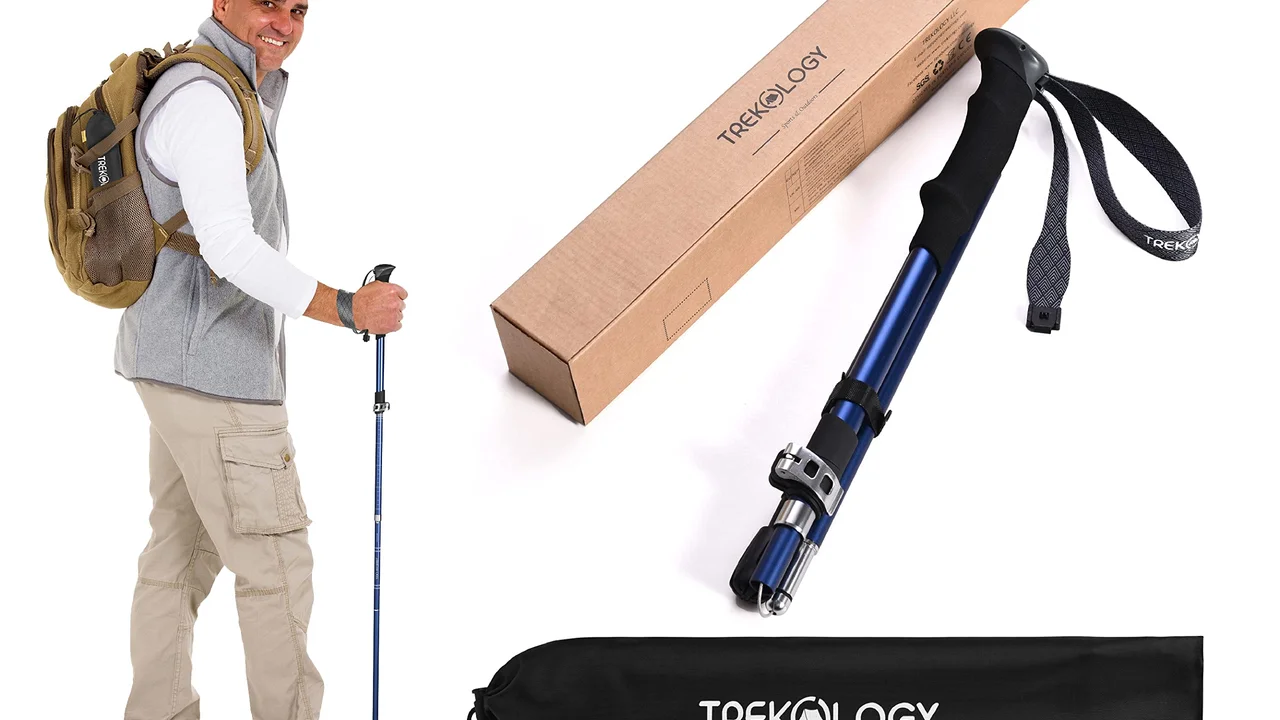
While having reliable lighting is crucial, it's also important to understand safety considerations and best practices when operating outdoors at night. Always carry a backup light source, even if your primary light is fully charged. A small, lightweight headlamp or a mini flashlight can be a lifesaver if your main light fails or runs out of battery. When hiking at night, be extra cautious of your footing. Even with a bright headlamp, uneven terrain, roots, and rocks can be harder to spot. Consider using trekking poles for added stability. If you're in an area with wildlife, be aware that bright lights can sometimes attract or startle animals. Use your light to scan your surroundings regularly, but avoid shining it directly into the eyes of animals. For group activities, communicate with your companions about light usage. Use red light mode when in close quarters, like inside a tent, to avoid blinding others and to preserve everyone's night vision. If you're signaling for help, know the international distress signal (three flashes, three short, three long, three short, three flashes). Always inform someone of your plans and expected return time, especially if you anticipate being out after dark. By combining reliable gear with smart practices, you can ensure your nighttime outdoor adventures are safe and enjoyable.
The Environmental Impact of Your Lighting Choices
As outdoor enthusiasts, we have a responsibility to minimize our environmental footprint. Your choice of camping lanterns and headlamps can play a role in this. Opting for rechargeable batteries over disposable ones significantly reduces waste. While disposable batteries are convenient, they contribute to landfills and contain chemicals that can be harmful if not disposed of properly. Investing in a good quality rechargeable headlamp or lantern, and pairing it with a portable solar panel or power bank, is a much more sustainable approach. Many brands are also focusing on more sustainable manufacturing processes, using recycled materials or designing products that are easier to repair rather than replace. Consider the longevity of the product; a durable light that lasts for years will have a lower environmental impact than a cheaper one that needs frequent replacement. When your gear does reach the end of its life, look for proper recycling options for electronics and batteries in your area. By making conscious choices about the products we buy and how we use and dispose of them, we can help protect the very environments we love to explore.
Accessorizing Your Lighting Setup for Enhanced Utility
Beyond the core lantern or headlamp, there are several accessories that can enhance the utility and versatility of your lighting setup. For headlamps, a spare battery case can be invaluable, allowing you to carry extra power safely and conveniently. Diffuser cones or filters can transform a focused headlamp beam into a softer, wider light, perfect for illuminating a tent or reading. For lanterns, hanging hooks or carabiners are essential for suspending them from tent ceilings or tree branches, maximizing their light spread. Many modern lanterns also offer magnetic bases, allowing you to attach them to metal surfaces for hands-free illumination in unique spots. Solar charging panels, as mentioned earlier, are a fantastic accessory for rechargeable lights, providing off-grid power. Some headlamps and lanterns come with protective cases or pouches, which are great for preventing scratches and impacts when packed in your gear. Consider a small, lightweight power bank specifically for charging your USB-rechargeable lights and other small electronics. These accessories, while seemingly minor, can significantly improve your lighting experience and adaptability in various outdoor scenarios.
Future Trends in Outdoor Lighting
The world of outdoor lighting is constantly evolving, and it's exciting to think about what the future holds. We're likely to see even greater energy efficiency, with LEDs becoming even brighter while consuming less power, leading to extended run times. Smart technology will undoubtedly play a larger role, with lights that can connect to your smartphone for remote control, customizable beam patterns, or even integrate with other smart outdoor gear. Imagine a headlamp that automatically adjusts its brightness based on your activity level or the terrain you're traversing. Self-powering solutions, beyond just solar, might become more common, perhaps kinetic energy harvesting from movement, or even advanced thermoelectric generators. Miniaturization will continue, making lights even smaller and lighter without sacrificing performance. We might also see more integrated solutions, where lighting is seamlessly built into other gear, like tents or backpacks. The focus on sustainability will also grow, with more emphasis on recycled materials, repairability, and closed-loop manufacturing. Ultimately, the goal is to provide even more reliable, efficient, and user-friendly illumination that enhances our outdoor experiences while minimizing our impact on the planet.
:max_bytes(150000):strip_icc()/277019-baked-pork-chops-with-cream-of-mushroom-soup-DDMFS-beauty-4x3-BG-7505-5762b731cf30447d9cbbbbbf387beafa.jpg)