Comparing Climbing Quickdraws for Sport and Trad Climbing
Choose the right quickdraws for sport and trad climbing. Compare gate types, dogbone length, and weight for optimal clipping.
Choose the right quickdraws for sport and trad climbing. Compare gate types, dogbone length, and weight for optimal clipping.
Comparing Climbing Quickdraws for Sport and Trad Climbing
Understanding Quickdraws The Essential Link in Your Climbing Chain
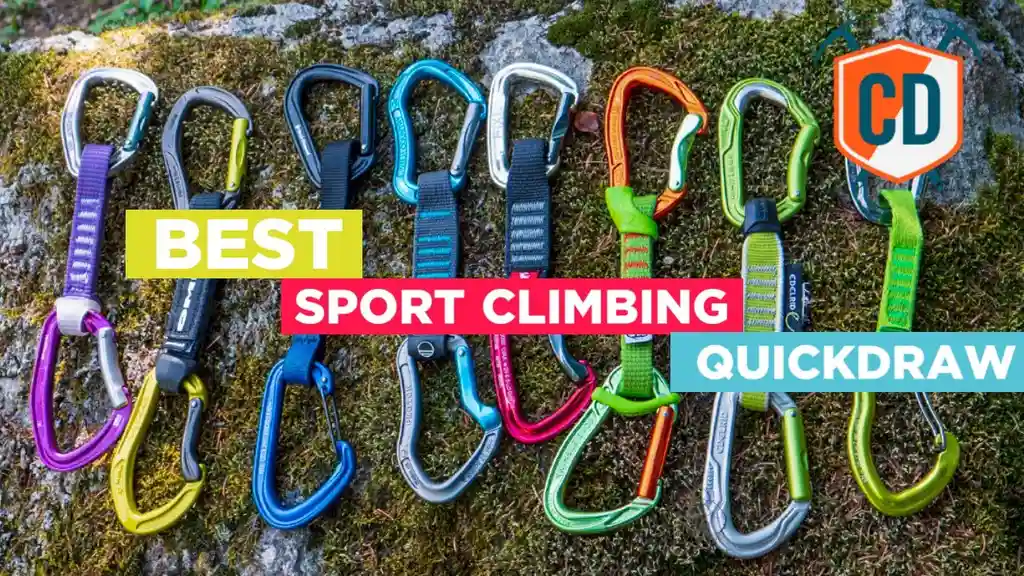
So, you're getting into climbing, or maybe you're looking to upgrade your gear. One of the most fundamental pieces of equipment you'll encounter, and absolutely rely on, is the quickdraw. But what exactly is a quickdraw, and why are there so many different kinds? Simply put, a quickdraw is a piece of climbing equipment used to connect a climbing rope to a bolt or other anchor point on the rock face. It consists of two carabiners joined by a sewn sling, often called a 'dogbone.' One carabiner clips into the anchor, and the other clips into your rope. Easy, right? Well, not so fast. The world of quickdraws is surprisingly nuanced, with different designs optimized for specific climbing disciplines like sport climbing and traditional (trad) climbing.Sport Climbing Quickdraws Designed for Speed and Durability
When you're sport climbing, you're typically dealing with pre-placed bolts. This means you're often clipping quickly, repeatedly, and sometimes under pressure. Sport climbing quickdraws are designed with these factors in mind. They tend to be more robust, often featuring solid gate carabiners and wider, more rigid dogbones. This rigidity helps them hang straight from the bolt, making clipping easier and faster. Durability is key here, as they'll be taking a lot of falls and general wear and tear.Key Features of Sport Climbing Quickdraws
- Solid Gates: Most sport quickdraws use solid gates on their carabiners. These are generally more durable and less prone to accidental opening (gate flutter) than wire gates, especially when taking a fall. They also tend to be a bit heavier, but for sport climbing, where weight isn't as critical as in trad, this is a worthwhile trade-off.
- Keylock Noses: A fantastic feature on many modern carabiners, the keylock nose eliminates the traditional 'hook' at the nose of the carabiner. This makes clipping and unclipping ropes and bolts incredibly smooth, reducing snagging.
- Wider, Stiffer Dogbones: The sling connecting the two carabiners is often wider and made of a more rigid material (like nylon or a blend) for sport quickdraws. This stiffness helps the quickdraw hang straight, making it easier to clip the rope, especially when you're pumped.
- Rubber Keepers: The rope-end carabiner often has a rubber 'keeper' or 'Straitjacket' that holds it firmly in place on the dogbone. This prevents the carabiner from rotating, ensuring it's always oriented correctly for clipping the rope.
- Length: Sport quickdraws typically come in shorter lengths, like 12 cm or 17 cm. Shorter draws keep the rope closer to the rock, which can be beneficial for minimizing rope drag on straight-up routes.
Recommended Sport Climbing Quickdraws
Let's dive into some popular and highly-rated sport climbing quickdraws that you might consider adding to your rack.Petzl Spirit Express Quickdraw
The Petzl Spirit Express is a classic for a reason. It's a workhorse quickdraw, known for its excellent ergonomics and durability. It features two Spirit carabiners – a straight gate for the bolt end and a bent gate for the rope end. Both are keylock, making clipping and unclipping a breeze. The dogbone is wide and stiff, ensuring the quickdraw hangs well. The rubber keeper on the rope end is very effective. These are incredibly reliable and a staple for many sport climbers.
- Pros: Extremely durable, excellent clipping action, keylock gates, good ergonomics.
- Cons: A bit heavier than some ultralight options, can be pricier.
- Ideal Use: Everyday sport climbing, projecting routes, gym climbing.
- Approximate Price: $20-$25 per quickdraw.
Black Diamond HotForge Hybrid Quickdraw
Black Diamond's HotForge Hybrid offers a great balance of features. It combines a solid gate HotForge carabiner for the bolt end with a wire gate HotWire carabiner for the rope end. This hybrid design offers the durability of a solid gate where it matters most (at the bolt) and the lighter weight and reduced gate flutter of a wire gate for the rope. The dogbone is a durable nylon, and it includes a Straitjacket keeper. This is a versatile option that performs well in various sport climbing scenarios.
- Pros: Good balance of weight and durability, smooth clipping, wire gate on rope end reduces weight and gate flutter.
- Cons: Not full keylock on both ends (HotWire is not keylock).
- Ideal Use: General sport climbing, good for those looking for a slight weight reduction without sacrificing too much durability.
- Approximate Price: $18-$22 per quickdraw.
Mammut Crag Express Set
Mammut's Crag Express Set is another solid choice for sport climbing. It features two robust Crag carabiners with keylock noses and a durable nylon dogbone. These quickdraws are built to last and offer a confident clipping experience. They might not be the lightest, but their reliability and strength are highly valued by climbers who prioritize bombproof gear.
- Pros: Very durable, reliable, keylock gates, good value.
- Cons: Can be on the heavier side.
- Ideal Use: High-volume sport climbing, beginner to intermediate climbers, gym use.
- Approximate Price: $15-$20 per quickdraw.
Trad Climbing Quickdraws Lightweight and Flexible for Complex Routes
Trad climbing is a different beast entirely. Here, you're placing your own protection (cams, nuts, hexes) into natural features in the rock. This means you need quickdraws that are lighter, more flexible, and often longer to minimize rope drag on wandering routes. Weight is a huge consideration, as you'll be carrying a lot more gear on your harness. Flexibility is also key, as you'll often need to extend your quickdraws to prevent the rope from pulling your protection out of the rock.Key Features of Trad Climbing Quickdraws
- Wire Gates: Almost universally, trad quickdraws use wire gate carabiners. These are significantly lighter than solid gates, which is crucial when you're carrying a full rack. They're also less prone to freezing up in icy conditions and have less gate flutter.
- Dyneema Slings: The dogbones on trad quickdraws are typically made from Dyneema (also known as Spectra or Dynex). This material is incredibly strong for its weight, very thin, and less bulky than nylon.
- Varying Lengths: Trad quickdraws come in a much wider range of lengths, from standard 12 cm to much longer 60 cm or even 120 cm slings. These longer slings are essential for extending protection to reduce rope drag on traversing or wandering routes.
- No Rubber Keepers (Usually): While some trad quickdraws might have a very minimal keeper, many do not. This is because you often want the rope-end carabiner to be free to rotate, especially when extending a piece of protection with a long sling.
- Lightweight Design: Every gram counts in trad climbing, so quickdraws are designed to be as light as possible without compromising safety.
Recommended Trad Climbing Quickdraws
Here are some excellent choices for your trad rack, focusing on lightweight and versatile options.Black Diamond Oz Quickdraw
The Black Diamond Oz Quickdraw is a prime example of a lightweight trad draw. It features two Oz wire gate carabiners, which are among the lightest full-strength carabiners available. The dogbone is a thin, strong Dyneema sling. These are perfect for minimizing weight on long approaches and multi-pitch climbs. They come in various lengths, making them versatile for different placements.
- Pros: Extremely lightweight, wire gates, Dyneema sling, excellent for weight-conscious climbers.
- Cons: Not as durable as solid gate sport draws, can be more expensive.
- Ideal Use: Multi-pitch trad climbing, alpine climbing, any situation where weight is paramount.
- Approximate Price: $20-$25 per quickdraw.
DMM Phantom Quickdraw
DMM is renowned for its high-quality climbing hardware, and the Phantom Quickdraw is no exception. It uses two Phantom wire gate carabiners, which are incredibly light and have a smooth clipping action. The Dyneema dogbone is durable and lightweight. These quickdraws strike a fantastic balance between weight, strength, and usability, making them a favorite among experienced trad climbers.
- Pros: Super lightweight, excellent build quality, smooth wire gates, durable Dyneema.
- Cons: Premium price point.
- Ideal Use: All-around trad climbing, especially for those who appreciate top-tier gear.
- Approximate Price: $22-$28 per quickdraw.
Petzl Ange Finesse Quickdraw
Petzl's Ange Finesse quickdraws feature their innovative Ange wire gate carabiners, which combine the lightness of a wire gate with the smooth clipping action of a keylock nose. This is a game-changer for trad climbing, offering snag-free clipping even with wire gates. The Finesse dogbone is a lightweight Dyneema sling. These are a bit pricier but offer a premium experience.
- Pros: Keylock wire gates (unique!), very lightweight, smooth clipping, high performance.
- Cons: Higher price point.
- Ideal Use: High-performance trad climbing, climbers who want the best of both worlds (lightweight and smooth clipping).
- Approximate Price: $25-$30 per quickdraw.
Long Quickdraws and Alpine Draws Extending Your Reach
Beyond the standard 12 cm and 17 cm quickdraws, you'll frequently encounter longer quickdraws, often referred to as 'alpine draws' or 'extendable quickdraws.' These are absolutely essential for trad climbing and can be very useful in sport climbing on wandering routes. An alpine draw typically consists of two wire gate carabiners connected by a long (60 cm or 120 cm) Dyneema sling. The beauty of these is their versatility: you can use them as a standard quickdraw, or you can extend the sling to reduce rope drag.Why Use Long Quickdraws or Alpine Draws?
- Reduce Rope Drag: This is the primary reason. When a climbing route isn't straight up, and the rope has to zig-zag through multiple pieces of protection, it creates friction (rope drag). This makes it harder to pull up slack, harder to lower, and can even pull out protection. Extending your quickdraws keeps the rope running smoothly.
- Prevent Flipping: On certain placements, especially with cams, a short quickdraw can cause the cam to 'walk' deeper into the crack or even flip out. A longer quickdraw allows the rope to pull more directly downwards, reducing these issues.
- Anchor Building: Long slings are incredibly useful for building anchors, equalizing points, and creating personal anchor systems (PAS).
- Versatility: An alpine draw can function as a short quickdraw when doubled up, or a long one when extended. This saves weight and space on your harness.
Recommended Long Quickdraws / Alpine Draws
Metolius Bravo Quickdraw (Long)
Metolius Bravo quickdraws are known for their excellent strength-to-weight ratio. Their longer versions, often with 60 cm or 120 cm Dyneema slings, are perfect for creating alpine draws. The Bravo carabiners are wire gates, keeping the weight down, and they have a good clipping action. These are a solid, reliable choice for extending your protection.
- Pros: Very lightweight, strong, good value for a long draw.
- Cons: Not keylock.
- Ideal Use: Trad climbing, multi-pitch routes, reducing rope drag.
- Approximate Price: $25-$35 per long quickdraw (depending on length).
Wild Country Helium Quickdraw (Long)
Wild Country's Helium carabiners are incredibly popular for their lightness and full-size feel. When paired with a long Dyneema sling, they make for an excellent alpine draw. The Helium carabiners feature a clean nose design (not quite keylock, but very snag-free) and a smooth wire gate action. These are a premium option for those who want the lightest and best performing long draws.
- Pros: Extremely lightweight, full-size carabiners, snag-free nose, smooth clipping.
- Cons: Higher price point.
- Ideal Use: Alpine climbing, long trad routes, any situation where minimal weight and maximum performance are desired.
- Approximate Price: $28-$38 per long quickdraw.
Comparing Gate Types Solid vs Wire
This is one of the most fundamental distinctions in carabiner design, and it directly impacts quickdraw performance and suitability for different climbing styles.Solid Gates
Solid gates are typically found on sport climbing quickdraws. They are made from a solid piece of aluminum and pivot on a pin. They often have a spring mechanism that keeps them closed.
- Pros:
- Durability: Generally more robust and can withstand more abuse.
- Less Gate Flutter: Less likely to open slightly during a fall due to inertia, though this is a highly debated topic and modern wire gates are very good.
- Keylock Noses: Easier to incorporate keylock noses, which prevent snagging.
- Cons:
- Heavier: Significantly heavier than wire gates.
- Can Freeze: In very cold, icy conditions, water can freeze in the gate mechanism, making it difficult to open.
Wire Gates
Wire gates are made from a bent piece of stainless steel wire that acts as both the gate and the spring. They are the standard for trad climbing and alpine draws.
- Pros:
- Lightweight: Much lighter than solid gates, crucial for carrying a full rack.
- Less Ice-Up: Less prone to freezing in cold, wet conditions because there's no solid mechanism for water to accumulate in.
- Reduced Gate Flutter (Debatable): Some argue they have less gate flutter than solid gates, though modern designs have minimized this issue for both types.
- Cons:
- Less Durable: The wire can bend or deform if subjected to extreme abuse, though this is rare in normal climbing use.
- No Keylock (Usually): Most wire gates have a small 'hook' at the nose, which can snag on ropes or bolts. However, some innovative designs like Petzl's Ange carabiners have overcome this.
Dogbone Length and Material Nylon vs Dyneema
The dogbone, or sling, that connects the two carabiners is just as important as the carabiners themselves. Its length and material significantly affect the quickdraw's performance.Nylon Dogbones
Nylon is a traditional material for climbing slings. It's durable and has a bit more stretch than Dyneema, which can be beneficial in absorbing some of the impact force during a fall.
- Pros:
- Durable: Very resistant to abrasion and general wear.
- More Dynamic: Has a slight stretch, which can help absorb energy in a fall.
- Cost-Effective: Generally less expensive than Dyneema.
- Cons:
- Heavier and Bulkier: Heavier and takes up more space than Dyneema for the same strength.
- Absorbs Water: Can absorb water, making it heavier when wet.
Dyneema (Dynex/Spectra) Dogbones
Dyneema is a high-performance synthetic fiber that has revolutionized climbing slings. It's incredibly strong for its weight and very thin.
- Pros:
- Lightweight and Low Bulk: Significantly lighter and thinner than nylon, ideal for trad climbing where weight is critical.
- Water Resistant: Does not absorb water, so it stays light even in wet conditions.
- Cons:
- Less Dynamic: Has very little stretch, meaning it transmits more force to the protection point in a fall.
- Less Durable (UV/Heat): More susceptible to degradation from UV light and heat (though this is generally not an issue in normal climbing use).
- Slippery: Can be a bit more slippery to handle than nylon.
- More Expensive: Generally pricier than nylon.
Dogbone Length
- Short (10-17 cm): Ideal for sport climbing on straight routes where you want to keep the rope close to the rock and minimize slack.
- Medium (20-30 cm): A good all-around length for sport climbing or trad climbing where you need a bit more extension than a short draw.
- Long (60-120 cm): Essential for trad climbing to reduce rope drag on wandering routes, prevent cam walking, and for anchor building. These are often used as 'alpine draws' where the sling can be extended.
When to Use Which Quickdraw Practical Scenarios
Understanding the theory is one thing, but knowing when to grab which quickdraw from your rack is where the rubber meets the road.Sport Climbing Scenarios
For most sport climbing, you'll want a rack of 10-14 sport-specific quickdraws (12 cm or 17 cm). These will be your workhorses for clipping bolts. If the route traverses significantly or has a lot of zig-zagging, consider bringing 2-4 longer quickdraws (20-30 cm) or even a couple of alpine draws to manage rope drag. This is especially true on routes with a roof or bulge where a short draw would create a sharp angle.
Trad Climbing Scenarios
Trad climbing requires a more varied quickdraw selection. You'll typically want a mix of short (12 cm) and long (60 cm) quickdraws, often in the form of alpine draws. A common setup might be 6-8 short quickdraws and 6-8 alpine draws. The short draws are great for direct placements where you don't need extension, while the alpine draws are crucial for extending protection on wandering pitches, over roofs, or to prevent cam walking. Some climbers also carry a few extra long slings (120 cm) and loose carabiners for building anchors or extending very distant placements.
Mixed Climbing and Gym Climbing
For mixed climbing (routes with both bolts and trad placements), you'll want a hybrid rack. A good starting point is a set of sport quickdraws for the bolted sections and a selection of alpine draws for the trad placements. In the gym, sport quickdraws are almost always the go-to. Their durability and ease of clipping make them perfect for the high-volume use of indoor climbing.
Maintenance and Care Keeping Your Quickdraws Safe
Your quickdraws are critical safety equipment, so proper care and maintenance are non-negotiable. Regularly inspect your quickdraws for any signs of wear or damage.- Carabiners: Check for sharp edges, cracks, deep gouges, or deformation. Ensure the gates open and close smoothly and fully. Look for any signs of corrosion. If a carabiner has taken a significant fall (especially a factor 2 fall), it should be retired.
- Slings (Dogbones): Inspect for cuts, nicks, excessive abrasion, sun fading, or any signs of melting. Pay close attention to the stitching. If a sling is damaged, retire it immediately.
- Cleaning: Clean your quickdraws with mild soap and water, then rinse thoroughly and air dry away from direct sunlight. Avoid harsh chemicals.
- Storage: Store your quickdraws in a cool, dry place away from direct sunlight, chemicals, and extreme temperatures.
- Retirement: Quickdraws, especially the slings, have a lifespan. Even if they look fine, the materials degrade over time due to UV exposure and general use. Follow manufacturer guidelines for retirement (typically 5-10 years for slings, longer for carabiners unless damaged).
:max_bytes(150000):strip_icc()/277019-baked-pork-chops-with-cream-of-mushroom-soup-DDMFS-beauty-4x3-BG-7505-5762b731cf30447d9cbbbbbf387beafa.jpg)