Comparing the Best Base Layers for Temperature Regulation
A detailed comparison of the best base layers for temperature regulation. Explore materials like merino wool and synthetics for warmth and wicking.
A detailed comparison of the best base layers for temperature regulation. Explore materials like merino wool and synthetics for warmth and wicking.
Comparing the Best Base Layers for Temperature Regulation
Hey outdoor enthusiasts! Let's talk about something super important for staying comfy in any weather: base layers. These aren't just fancy long johns; they're your first line of defense against the elements, working hard to keep you warm when it's cold and cool when you're sweating. Choosing the right base layer can make or break your outdoor adventure, whether you're hitting the slopes, trekking through a forest, or just enjoying a chilly morning hike. We're diving deep into the world of base layers, comparing the best materials, technologies, and specific products to help you make an informed choice. Get ready to get cozy!
Understanding Base Layer Materials Merino Wool vs Synthetics
When it comes to base layers, the material is king. You'll primarily encounter two main contenders: merino wool and synthetics. Both have their pros and cons, and understanding these differences is crucial for picking the right one for your needs.
Merino Wool Base Layers Natural Comfort and Odor Resistance
Merino wool comes from merino sheep, and it's a natural wonder. Unlike traditional wool, merino fibers are much finer, making them incredibly soft and non-itchy against the skin. Here's why merino wool is often a top choice:
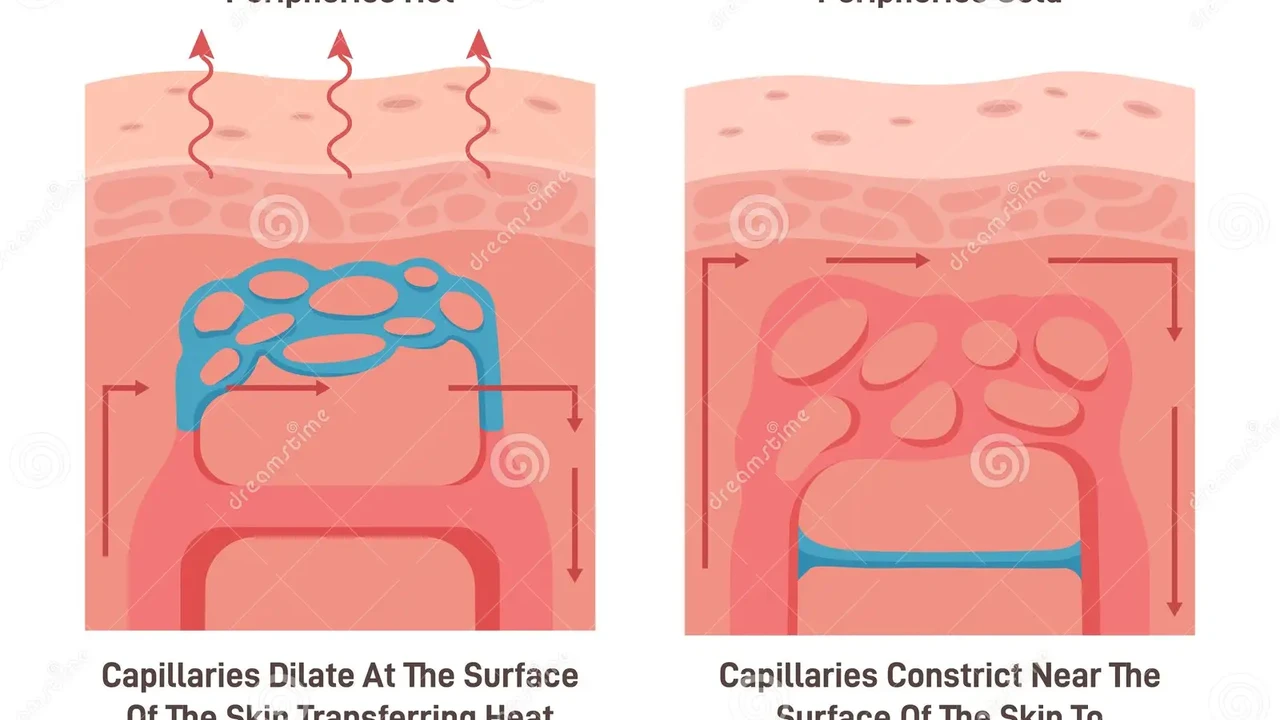
- Temperature Regulation: Merino wool excels at regulating body temperature. Its fibers can absorb and release moisture vapor, which helps keep you warm in cold conditions and cool in warm conditions. It's like having a personal climate control system.
- Odor Resistance: This is a huge one for multi-day trips! Merino wool naturally resists odor-causing bacteria, meaning you can wear it for days without smelling like a gym locker. This is due to its complex chemical structure and ability to trap odor molecules.
- Breathability: It's highly breathable, allowing moisture vapor to escape, preventing that clammy feeling.
- Softness: As mentioned, it's super soft and comfortable, even for sensitive skin.
- Sustainability: As a natural fiber, it's renewable and biodegradable.
However, merino wool isn't without its downsides:
- Drying Time: It tends to dry slower than synthetics.
- Durability: While modern merino is much more durable than older versions, it can still be more prone to wear and tear than some synthetics, especially in high-abrasion areas.
- Price: Generally, merino wool base layers are more expensive.
Synthetic Base Layers Quick Drying and Durability
Synthetic base layers are typically made from polyester, polypropylene, or a blend of synthetic fibers. These materials are engineered for performance and offer a different set of advantages:
- Quick Drying: Synthetics are champions at wicking moisture away from your skin and drying incredibly fast. This is ideal for high-output activities where you're sweating a lot, or if you need to wash and dry your gear quickly on a trip.
- Durability: They are generally more robust and resistant to abrasion, making them a good choice for activities that involve a lot of rubbing or rough use.
- Affordability: Synthetics are usually more budget-friendly than merino wool.
- Versatility: They come in a wide range of weights and weaves, offering options for various temperatures and activity levels.
But there are some trade-offs:
- Odor Retention: Synthetics are notorious for holding onto odors. After a few hours of sweating, you might notice a distinct smell. Many brands now incorporate antimicrobial treatments to combat this, but it's still a common issue.
- Less Breathable: While they wick moisture well, they can sometimes feel less breathable than merino wool, especially during periods of low activity.
- Feel: Some people find the feel of synthetics less natural or comfortable than merino wool.
Base Layer Weights and Their Ideal Use Cases
Base layers come in different weights, which dictate their warmth and suitability for various conditions. Understanding these weights is key to effective layering.
Lightweight Base Layers Warm Weather and High Output Activities
These are your go-to for mild conditions or high-intensity activities where you're generating a lot of heat. They focus primarily on wicking moisture and providing a thin layer of insulation. Think summer hiking, trail running, or spring skiing.
Midweight Base Layers Versatile All Rounders
Midweight base layers offer a good balance of warmth and breathability. They're incredibly versatile and suitable for a wide range of temperatures and activities, from fall hiking to winter backpacking. If you can only have one base layer, a midweight is often a great choice.
Heavyweight Base Layers Extreme Cold and Low Output Activities
When the mercury really drops, or if you're doing less strenuous activities in freezing temperatures, heavyweight base layers are your best friend. They provide maximum insulation and are designed to keep you toasty in harsh winter conditions, like ice climbing, mountaineering, or cold-weather camping.
Key Features to Look For in Base Layers
Beyond material and weight, several other features contribute to a base layer's performance and comfort.
Fit and Sizing for Optimal Performance
A good base layer should fit snugly against your skin without being restrictive. This allows it to effectively wick moisture away from your body. If it's too loose, it won't be able to do its job properly. Look for athletic fits that allow for a full range of motion.
Seams and Stitching Flatlock for Comfort
Nobody wants chafing! Look for flatlock seams, which are designed to lie flat against the skin, reducing irritation, especially when wearing a backpack or other layers over top.
Necklines and Zippers Versatility and Ventilation
Crew necks are standard, but zip-neck or quarter-zip options offer excellent versatility. You can zip them up for extra warmth or open them for ventilation when you start to heat up. This is particularly useful during variable conditions or high-output activities.
Thumb Loops and Cuffs Added Warmth and Coverage
Thumb loops help keep sleeves in place and provide extra coverage for your wrists and hands, which can be a game-changer in cold weather. Well-designed cuffs also prevent cold air from creeping in.
Top Base Layer Products Recommended for Different Scenarios
Alright, let's get to some specific recommendations! We've picked out some of the best base layers on the market, covering both merino and synthetic options, and suitable for various budgets and use cases.
Best Overall Merino Wool Base Layer Smartwool Merino 250 Crew
Product: Smartwool Merino 250 Base Layer Crew (Men's and Women's) Material: 100% Merino Wool Weight: Midweight (250 g/m²) Price: Approximately $110-$120 USD Use Case: This is a true workhorse, perfect for a wide range of cold to cool weather activities like skiing, snowboarding, winter hiking, and backpacking. Its 250 g/m² weight provides substantial warmth without being overly bulky. Why We Love It: The Smartwool Merino 250 is legendary for a reason. It offers exceptional warmth, breathability, and that natural odor resistance merino is famous for. It's incredibly soft and comfortable against the skin, making it easy to wear for extended periods. The fit is athletic but not restrictive, allowing for great layering. It's durable for merino, holding up well to regular use and washing. While it's an investment, its versatility and performance make it worth every penny for serious outdoor enthusiasts. It's a staple in many cold-weather layering systems.
Best Budget Friendly Synthetic Base Layer REI Co-op Midweight Base Layer
Product: REI Co-op Midweight Base Layer Crew (Men's and Women's) Material: 100% Polyester Weight: Midweight Price: Approximately $50-$60 USD Use Case: Excellent for general outdoor activities in cool to cold weather, including hiking, camping, and casual winter sports. Great for those just starting their layering system or on a tighter budget. Why We Love It: REI's in-house brand consistently delivers great value, and their midweight base layer is no exception. It offers solid moisture-wicking performance and decent warmth for its price point. It dries quickly, which is a huge plus for multi-day trips or if you're prone to sweating. While it might not have the luxurious feel or odor resistance of merino, it's a highly functional and durable synthetic option that won't break the bank. It's a fantastic entry-level base layer that performs well above its price tag.
Best for High Output Activities Patagonia Capilene Midweight Base Layer
Product: Patagonia Capilene Midweight Crew (Men's and Women's) Material: 100% Recycled Polyester with HeiQ® Pure odor control Weight: Midweight Price: Approximately $70-$80 USD Use Case: Ideal for high-aerobic activities in cool to cold weather, such as trail running, fast-paced hiking, ski touring, and climbing. Its focus is on rapid moisture management. Why We Love It: Patagonia's Capilene line is renowned for its performance, and the Midweight is a standout. It's incredibly efficient at wicking sweat away from your skin, keeping you dry and comfortable even during intense exertion. The HeiQ® Pure odor control treatment is surprisingly effective for a synthetic, significantly reducing stink compared to untreated polyester. It's also made from recycled materials, which is a big win for sustainability. The fit is excellent for athletic movement, and the flatlock seams prevent chafing. If you're someone who sweats a lot but still needs warmth, this is a top contender.
Best for Extreme Cold Arc'teryx Rho Heavyweight Zip Neck
Product: Arc'teryx Rho Heavyweight Zip Neck (Men's and Women's) Material: Polartec® Power Stretch® Pro (Nylon/Polyester/Elastane blend) Weight: Heavyweight Price: Approximately $150-$180 USD Use Case: Designed for very cold conditions and lower-output activities where maximum warmth is paramount, such as ice climbing belays, winter camping, or mountaineering in extreme cold. Why We Love It: Arc'teryx is known for its premium gear, and the Rho Heavyweight lives up to the reputation. This isn't just a base layer; it's almost a mid-layer in terms of warmth. The Polartec Power Stretch Pro fabric is incredibly warm, stretchy, and durable. It has a smooth outer face for easy layering and a soft, brushed interior for next-to-skin comfort. The zip neck allows for excellent ventilation when needed, and the articulated patterning ensures unrestricted movement. While it's definitely on the pricier side, its warmth-to-weight ratio and bombproof construction make it an essential piece for serious cold-weather expeditions.
Best Lightweight for Warm Weather Icebreaker Merino 150 Zone Short Sleeve
Product: Icebreaker Merino 150 Zone Short Sleeve (Men's and Women's) Material: 83% Merino Wool, 12% Nylon, 5% Elastane (Corespun fabric) Weight: Lightweight (150 g/m²) Price: Approximately $80-$90 USD Use Case: Perfect for warm weather hiking, trail running, and general active use where breathability and odor resistance are key. Can also be used as a very light base layer in cooler conditions. Why We Love It: Icebreaker is another leader in merino wool, and their 150 Zone series is fantastic for warmer conditions or high-intensity activities. The Corespun fabric wraps merino fibers around a nylon core, significantly improving durability without sacrificing the natural benefits of merino. It's incredibly breathable, wicks moisture effectively, and maintains merino's natural odor resistance. The strategic body-mapped mesh panels enhance ventilation in high-heat areas. It's lightweight, comfortable, and dries relatively quickly for a merino product, making it a versatile choice for active users.
Comparing the Top Picks Side by Side
Let's put these top contenders head-to-head to help you visualize the differences and make your decision.
| Feature | Smartwool Merino 250 | REI Co-op Midweight | Patagonia Capilene Midweight | Arc'teryx Rho Heavyweight | Icebreaker Merino 150 Zone |
|---|---|---|---|---|---|
| Material | 100% Merino Wool | 100% Polyester | 100% Recycled Polyester | Polartec Power Stretch Pro | Merino/Nylon/Elastane Blend |
| Weight | Midweight (250 g/m²) | Midweight | Midweight | Heavyweight | Lightweight (150 g/m²) |
| Price (Approx.) | $110-$120 | $50-$60 | $70-$80 | $150-$180 | $80-$90 |
| Odor Resistance | Excellent | Fair (untreated) | Good (HeiQ Pure) | Good | Excellent |
| Drying Time | Moderate | Fast | Fast | Moderate | Moderate |
| Durability | Good | Very Good | Very Good | Excellent | Good (Corespun) |
| Comfort (Next-to-Skin) | Excellent (Soft) | Good | Very Good | Excellent (Soft) | Excellent (Soft) |
| Best For | Versatile Cold/Cool Weather | Budget-Friendly All-Rounder | High-Output Activities | Extreme Cold | Warm Weather/High Output |
Choosing Your Perfect Base Layer Practical Advice
So, how do you pick the right one for you? It really boils down to a few key questions:
What Activities Will You Be Doing
Are you going to be running marathons in the snow, or just leisurely hiking on a cool autumn day? High-output activities demand excellent wicking and quick-drying properties (synthetics or lightweight merino blends). Lower-output activities in cold weather benefit more from maximum insulation (heavyweight merino or synthetic).
What Are the Expected Temperatures
This is crucial for determining the weight of your base layer. Don't over-insulate for mild conditions, as you'll just end up sweating and getting cold. Conversely, don't under-insulate for freezing temperatures.
How Important is Odor Control
If you're on a multi-day trip with no access to laundry, merino wool's natural odor resistance is a huge advantage. If you're just out for a day hike and can wash your gear afterward, synthetics are perfectly fine.
What's Your Budget
Merino wool tends to be more expensive, but its benefits often justify the cost for frequent users. Synthetics offer excellent performance at a more accessible price point.
Personal Preference for Feel
Some people simply prefer the feel of natural fibers like merino wool, while others are perfectly happy with synthetics. If possible, try them on before you buy!
Care and Maintenance Tips for Longevity
To ensure your base layers last as long as possible and continue to perform optimally, proper care is essential.
Washing Your Base Layers Gentle Cycle and Cold Water
Always check the care label, but generally, wash base layers on a gentle cycle with cold water. Avoid hot water, as it can damage fibers, especially merino wool.
Drying Your Base Layers Air Dry is Best
Air drying is almost always the best option for base layers. High heat from a dryer can shrink merino wool and degrade the performance of synthetic fibers and their antimicrobial treatments. If you must use a dryer, use the lowest heat setting or tumble dry on cool.
Avoiding Fabric Softeners and Bleach
Steer clear of fabric softeners, as they can clog the fibers and reduce the wicking ability of both merino and synthetics. Bleach is a definite no-go, as it will damage the fabric.
Choosing the right base layer is a fundamental step in building an effective outdoor layering system. By understanding the differences between merino wool and synthetics, considering various weights, and looking for key features, you can find the perfect base layer to keep you comfortable, dry, and performing your best in any outdoor adventure. Happy layering!
:max_bytes(150000):strip_icc()/277019-baked-pork-chops-with-cream-of-mushroom-soup-DDMFS-beauty-4x3-BG-7505-5762b731cf30447d9cbbbbbf387beafa.jpg)