Essential Hiking Pants and Shorts Reviewed
Review of essential hiking pants and shorts. Explore durability, breathability, and comfort for various trail conditions and climates.
Essential Hiking Pants and Shorts Reviewed
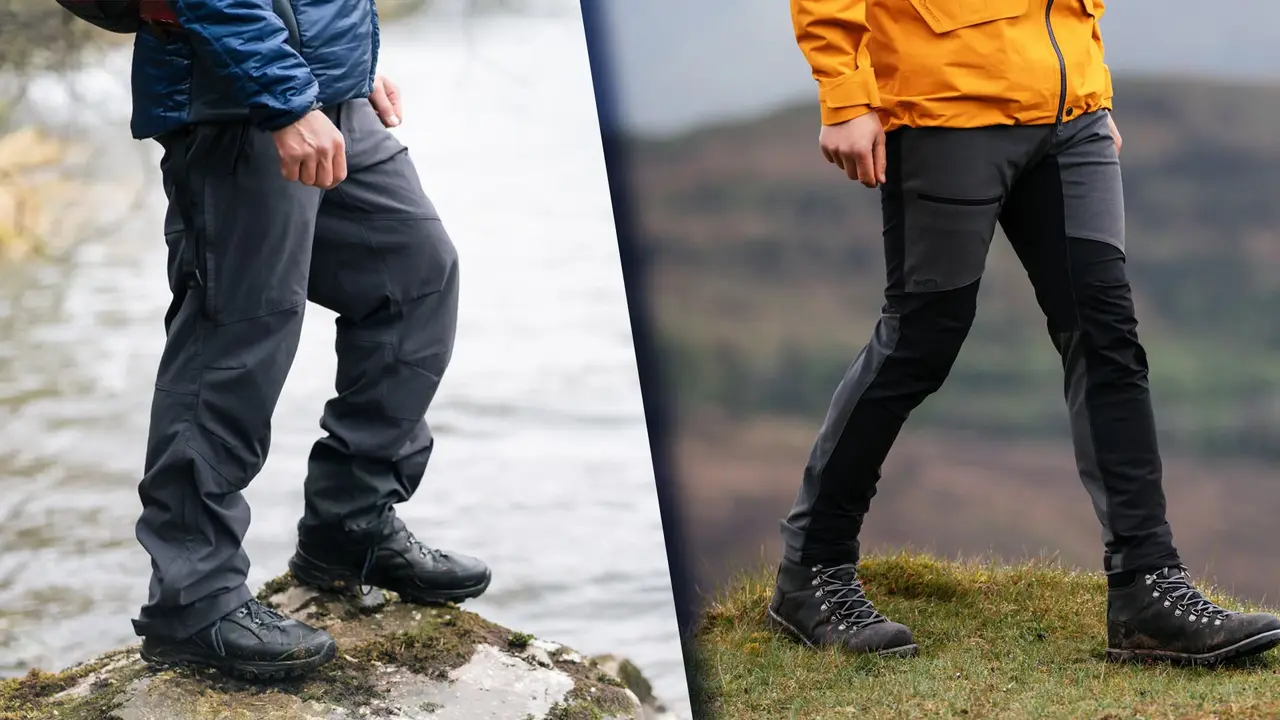
Review of essential hiking pants and shorts. Explore durability, breathability, and comfort for various trail conditions and climates.Hey there, fellow adventurers! When you're hitting the trails, whether it's a quick day hike or a multi-day trek, what you wear on your legs makes a huge difference. We're talking about comfort, protection, and performance. Forget those old jeans or cotton shorts; they just won't cut it. Today, we're diving deep into the world of hiking pants and shorts, breaking down what makes them essential gear and helping you pick the perfect pair for your next outdoor escapade.
Choosing the right hiking bottoms isn't just about looking good on the mountain (though that's a bonus!). It's about staying dry, preventing chafing, protecting yourself from scratches and bugs, and adapting to changing weather conditions. We'll cover everything from lightweight shorts for hot climates to durable pants for rugged terrain, and even those super versatile convertible options. Let's get into it!
Understanding Hiking Bottoms Key Features and Materials
Before we jump into specific recommendations, let's chat about what makes hiking pants and shorts special. It's all about the fabric and the thoughtful design features that cater to the demands of the trail.
Fabric Technology for Hiking Comfort and Durability
The material is king when it comes to hiking bottoms. You want something that can handle sweat, rain, abrasion, and still feel good against your skin. Here are the common contenders:
- Nylon: This is a workhorse in hiking apparel. It's incredibly durable, lightweight, and dries super fast. Many hiking pants are made from ripstop nylon, which means tiny squares are woven into the fabric to prevent tears from spreading.
- Polyester: Similar to nylon, polyester is also quick-drying and resistant to wrinkles and shrinking. It's often used in blends for added stretch and comfort.
- Spandex/Elastane: You'll often find a small percentage of spandex (usually 2-10%) blended with nylon or polyester. This adds stretch, which is crucial for freedom of movement when scrambling over rocks or climbing steep inclines.
- Merino Wool Blends: While less common for full pants, some high-end hiking shorts or liners might incorporate merino wool for its natural odor resistance and temperature regulation properties. It's super comfortable but can be less durable than synthetics for outer layers.
- DWR (Durable Water Repellent) Finish: Many hiking bottoms come with a DWR coating. This isn't full waterproofing, but it makes water bead up and roll off the fabric, keeping you drier in light rain or misty conditions. It's a game-changer!
Design Elements for Trail Performance and Protection
Beyond the fabric, smart design makes a huge difference:
- Articulated Knees: This means the knee area is pre-shaped or has extra fabric to allow for a full range of motion without pulling or binding. Essential for climbing and steep ascents.
- Gusseted Crotch: An extra panel of fabric in the crotch area reduces stress on seams and prevents chafing, especially important for long hikes.
- Pockets: You need pockets! Zippered pockets are great for securing valuables like your phone or keys. Cargo pockets are handy for maps or snacks.
- Adjustable Waistbands: Elastic waistbands, drawstrings, or integrated belts help you get a comfortable and secure fit.
- Leg Openings: Some pants have adjustable cuffs (drawstrings or zippers) to cinch them down or open them up to fit over boots. Convertible pants will have zippers around the knees.
- Ventilation: Mesh-lined pockets or zippered vents can help dump heat when you're working hard.
- UPF Protection: Many hiking fabrics offer built-in UPF (Ultraviolet Protection Factor) to shield your skin from harmful UV rays. Look for ratings like UPF 30+ or 50+.
Top Hiking Pants for Diverse Climates and Activities
Let's get to the good stuff! Here are some of the best hiking pants on the market, catering to different needs and budgets.
Best All-Around Hiking Pants for Versatility and Durability
If you're looking for a do-it-all pair that can handle most conditions, these are excellent choices:
Outdoor Research Ferrosi Pants: Lightweight and Breathable Trail Pants
The Outdoor Research Ferrosi Pants are legendary for a reason. They're incredibly lightweight, breathable, and offer fantastic stretch, making them perfect for everything from casual day hikes to more technical scrambles. The fabric is a nylon/spandex blend with a DWR finish, so they shed light rain and dry in a flash. They're also surprisingly durable for their weight.
- Use Case: Multi-season hiking, backpacking, climbing, general outdoor activities.
- Pros: Excellent breathability, quick-drying, great stretch, good durability for weight, comfortable fit.
- Cons: Not insulated for cold weather, DWR eventually wears off (can be reapplied).
- Price Range: Approximately $80 - $100 USD.
- Comparison: Lighter and more breathable than many traditional hiking pants, but less rugged than heavy-duty options.
Prana Stretch Zion Pants: Rugged Comfort for Any Adventure
The Prana Stretch Zion Pants (and their women's counterpart, the Halle Pants) are a long-time favorite among hikers and climbers. Made from a proprietary Stretch Zion fabric (nylon/spandex blend), they are incredibly tough, water-resistant, and offer excellent freedom of movement. They have a classic look that transitions well from trail to town, and features like a roll-up snap for the cuffs add to their versatility.
- Use Case: Backpacking, climbing, rugged hiking, travel, casual wear.
- Pros: Extremely durable, water-resistant, excellent stretch, comfortable, versatile style.
- Cons: Can feel a bit warm in very hot weather, slightly heavier than ultralight options.
- Price Range: Approximately $85 - $95 USD.
- Comparison: More durable and slightly heavier than the Ferrosi, offering a more rugged feel.
Best Convertible Hiking Pants for Adaptability and Convenience
Can't decide between pants and shorts? Get both! Convertible pants are fantastic for trips where the weather might change or you'll be moving between different environments.
Columbia Silver Ridge Convertible Pants: Classic Trail Versatility
The Columbia Silver Ridge Convertible Pants are a staple in the hiking world. They're affordable, widely available, and offer solid performance. Made from 100% nylon with Omni-Wick moisture-wicking technology and Omni-Shade UPF 50 sun protection, they're designed to keep you cool, dry, and protected. The zippers at the knees allow for quick conversion to shorts, and the side leg zippers make it easy to take them off over boots.
- Use Case: Day hiking, backpacking, travel, warm weather conditions.
- Pros: Excellent value, good sun protection, quick-drying, easy conversion, plenty of pockets.
- Cons: Zippers can sometimes be uncomfortable, fit can be a bit baggy for some.
- Price Range: Approximately $50 - $70 USD.
- Comparison: A more budget-friendly option compared to higher-end convertible pants, offering reliable performance.
REI Co-op Sahara Convertible Pants: Enhanced Comfort and Features
REI's own Sahara Convertible Pants are a step up in terms of comfort and features. They use a nylon/spandex blend for better stretch and have a softer feel than some other nylon-only options. They also boast UPF 50+ sun protection and a DWR finish. The fit is generally more athletic, and the zippers are well-integrated.
- Use Case: Multi-day treks, varied weather conditions, general hiking.
- Pros: Good stretch, comfortable fabric, reliable sun protection, thoughtful pocket placement.
- Cons: Still have the inherent bulk of convertible zippers, can be warm in extreme heat.
- Price Range: Approximately $70 - $90 USD.
- Comparison: A more refined and comfortable convertible option than the Columbia Silver Ridge, with better stretch.
Best Insulated Hiking Pants for Cold Weather and Winter Trekking
When the temperatures drop, you need more than just a shell. Insulated hiking pants provide warmth without excessive bulk.
Arc'teryx Gamma MX Pants: Premium Softshell for Alpine Conditions
For serious cold-weather hiking, mountaineering, and ice climbing, the Arc'teryx Gamma MX Pants are a top-tier choice. They're made from a highly durable, weather-resistant, and breathable softshell fabric with a brushed interior for light insulation. They offer incredible freedom of movement and are built to withstand harsh alpine environments.
- Use Case: Winter hiking, mountaineering, ice climbing, cold-weather backpacking.
- Pros: Excellent weather resistance, superb breathability, outstanding durability, great stretch, premium fit.
- Cons: Very expensive, not fully waterproof (need hardshell for heavy rain), can be too warm for mild conditions.
- Price Range: Approximately $250 - $350 USD.
- Comparison: A high-performance, specialized pant for demanding cold-weather activities, far more protective than standard hiking pants.
Patagonia Quandary Pants: Versatile and Sustainable Cold-Weather Option
The Patagonia Quandary Pants are a great option for cooler weather hiking and general outdoor use. They're made from a durable, stretchy blend of recycled nylon and spandex with a DWR finish and 50+ UPF sun protection. While not heavily insulated, their thicker fabric provides more warmth than typical summer hiking pants, and they're comfortable enough for all-day wear.
- Use Case: Fall/spring hiking, cooler summer days, general outdoor activities, travel.
- Pros: Good balance of durability and stretch, DWR finish, sun protection, comfortable, sustainable materials.
- Cons: Not for extreme cold, can be a bit warm in hot weather.
- Price Range: Approximately $80 - $100 USD.
- Comparison: A more versatile and less specialized option than the Gamma MX, suitable for a wider range of cooler conditions.
Top Hiking Shorts for Warm Weather and Freedom of Movement
When the sun is blazing and you need maximum ventilation, hiking shorts are your best friend. But not just any shorts will do!
Best Lightweight Hiking Shorts for Breathability and Quick-Drying
For hot and humid conditions, you want shorts that feel like they're barely there.
Patagonia Baggies Shorts: Iconic and Quick-Drying for Water and Land
The Patagonia Baggies are a classic for a reason. While often seen as swim trunks, their quick-drying nylon fabric, comfortable fit, and mesh pockets make them excellent for hiking in hot, humid, or wet environments. They're incredibly versatile and can go from trail to lake without missing a beat. They come in various inseam lengths (5-inch and 7-inch are popular).
- Use Case: Hot weather hiking, water sports, casual wear, travel.
- Pros: Extremely quick-drying, comfortable, versatile, durable, good for swimming.
- Cons: Limited pocket options, not ideal for bushwhacking (less leg protection).
- Price Range: Approximately $55 - $65 USD.
- Comparison: More casual and water-focused than dedicated hiking shorts, but highly effective for hot and wet conditions.
Columbia Silver Ridge Cargo Shorts: Functional and Ventilated for Warm Trails
Similar to their pant counterparts, the Columbia Silver Ridge Cargo Shorts offer excellent value and functionality for warm-weather hiking. Made from 100% nylon with Omni-Wick and Omni-Shade UPF 50, they're designed to keep you cool and protected. They feature multiple pockets, including cargo pockets, for all your trail essentials.
- Use Case: Day hiking, backpacking in warm climates, general outdoor activities.
- Pros: Great value, excellent sun protection, quick-drying, plenty of pockets.
- Cons: Can feel a bit stiff compared to stretchier options, fit can be boxy.
- Price Range: Approximately $40 - $50 USD.
- Comparison: A more traditional and functional hiking short than the Baggies, with more storage.
Best Stretch Hiking Shorts for Mobility and Comfort
If you're scrambling or need maximum flexibility, stretch is key.
Outdoor Research Ferrosi Shorts: Stretchy and Breathable for Active Pursuits
Just like the pants, the Outdoor Research Ferrosi Shorts are fantastic. They use the same lightweight, breathable, and incredibly stretchy nylon/spandex blend with a DWR finish. This means they move with you effortlessly, making them ideal for dynamic activities like scrambling, bouldering approaches, or just fast-paced hiking. They're also very quick to dry.
- Use Case: Fast hiking, scrambling, climbing approaches, warm weather backpacking.
- Pros: Exceptional stretch and mobility, highly breathable, quick-drying, comfortable.
- Cons: Not as durable as some heavier-duty shorts for extreme abrasion, limited insulation.
- Price Range: Approximately $60 - $75 USD.
- Comparison: Offers superior stretch and breathability compared to the Columbia Silver Ridge shorts, making them better for active pursuits.
Kuhl Renegade Shorts: Durable and Comfortable for Rugged Trails
Kuhl is known for its durable and comfortable outdoor apparel, and the Renegade Shorts are no exception. Made from their DURALUX fabric (a nylon/spandex blend), these shorts are tough, water-resistant, and offer a good amount of stretch. They have a slightly more rugged feel than the Ferrosi, making them great for trails where you might encounter more brush or rocks.
- Use Case: Rugged hiking, backpacking, general outdoor wear.
- Pros: Very durable, good water resistance, comfortable stretch, well-placed pockets.
- Cons: Can be a bit heavier and warmer than ultralight options.
- Price Range: Approximately $70 - $85 USD.
- Comparison: More durable and robust than the Ferrosi shorts, suitable for tougher conditions while still offering good mobility.
Choosing Your Perfect Pair: Factors to Consider for Hiking Bottoms
With so many great options, how do you narrow it down? Think about these factors:
Climate and Weather Conditions for Optimal Performance
This is probably the biggest factor. Are you hiking in scorching desert heat, humid jungles, or chilly mountain air? For hot and humid, prioritize breathability, quick-drying properties, and UPF protection (shorts or lightweight pants). For cold weather, look for insulated pants or softshells that offer warmth and wind resistance. For mixed conditions, convertibles are a solid bet.
Activity Type and Terrain for Enhanced Protection and Mobility
What kind of hiking are you doing? If you're bushwhacking through dense vegetation, you'll want durable pants that offer full leg protection. If you're trail running or scrambling, stretch and mobility are paramount. For casual walks on well-maintained paths, comfort might be your top priority.
Fit and Comfort for Long-Distance Hiking
This is highly personal. Some people prefer a looser, relaxed fit, while others like a more athletic, streamlined cut. Make sure there's no chafing, pinching, or restriction of movement, especially around the knees and hips. Try them on with your hiking boots and backpack to get a real feel.
Budget and Value for Your Outdoor Gear Investment
Hiking bottoms range widely in price. While premium brands often offer superior performance and durability, there are excellent budget-friendly options that will serve you well. Consider how often you'll use them and the conditions you'll face. Sometimes, investing a bit more upfront saves you money in the long run by lasting longer.
Care and Maintenance Tips for Extending Gear Lifespan
To make your hiking pants and shorts last, proper care is essential:
Washing and Drying Best Practices for Hiking Apparel
Always follow the care label instructions! Generally, wash hiking apparel in cold water with a mild detergent. Avoid fabric softeners, as they can clog the pores of technical fabrics and reduce their breathability and DWR effectiveness. Tumble dry on low heat or, even better, hang dry to preserve the fabric and DWR finish.
Reactivating DWR Coating for Continued Water Resistance
Over time, the DWR coating on your pants will wear off. You'll notice water no longer beads up but soaks into the fabric. You can reactivate it by tumble drying on low heat for 20 minutes (if the care label allows). If that doesn't work, you can reapply DWR using a spray-on or wash-in product like Nikwax TX.Direct or Granger's Performance Repel. This is a simple way to extend the life and performance of your gear.
Alright, that's a wrap on hiking pants and shorts! Hopefully, this deep dive has given you all the info you need to confidently choose your next pair. Remember, the best gear is the gear that fits you well, performs in the conditions you'll face, and makes you want to get out there and explore. Happy trails!
:max_bytes(150000):strip_icc()/277019-baked-pork-chops-with-cream-of-mushroom-soup-DDMFS-beauty-4x3-BG-7505-5762b731cf30447d9cbbbbbf387beafa.jpg)