Essential Dry Bags for Protecting Your Gear on Water
Review of essential dry bags for protecting your gear on water. Learn about materials, closure types, and capacity for kayaking, SUP, and more.
Review of essential dry bags for protecting your gear on water. Learn about materials, closure types, and capacity for kayaking, SUP, and more.
Essential Dry Bags for Protecting Your Gear on Water
Hey there, fellow water adventurers! Ever been out on the lake, river, or ocean, having an absolute blast, only to realize your phone, wallet, or extra clothes are soaking wet? Yeah, it’s a real bummer. That’s where dry bags come in – they’re your best friend for keeping your essentials, well, dry! Whether you’re kayaking, paddleboarding, rafting, or even just hanging out at the beach, a good dry bag is non-negotiable. Let’s dive deep into everything you need to know about these waterproof wonders, from what they’re made of to which ones are best for your specific water escapades.
Why You Absolutely Need a Dry Bag for Water Sports and Outdoor Adventures
Think about it: water and electronics don't mix. Neither do wet sandwiches or soggy spare socks. Dry bags are designed to create a watertight seal, protecting your valuables from splashes, rain, and even full submersion. They’re not just for extreme sports; even a casual day at the beach can benefit from a dry bag to keep sand and water out of your phone and keys. They offer peace of mind, allowing you to focus on the fun without worrying about your gear.
Understanding Dry Bag Materials and Durability
The material of your dry bag is crucial for its durability and waterproof capabilities. Most dry bags are made from PVC (polyvinyl chloride) or TPU (thermoplastic polyurethane). Let's break down the differences:
PVC Dry Bags: Robust and Budget-Friendly Waterproofing
PVC dry bags are generally thicker, more rigid, and often more affordable. They’re incredibly durable and resistant to punctures and abrasions, making them a great choice for rougher environments or if you need something that can take a beating. However, they can be a bit heavier and less flexible, especially in colder temperatures. They also tend to have a stronger chemical smell when new. Think of them as the workhorses of the dry bag world.
TPU Dry Bags: Lightweight, Flexible, and Eco-Conscious Options
TPU dry bags are typically lighter, more flexible, and often more expensive. They’re known for their excellent abrasion resistance and are more environmentally friendly than PVC. TPU bags are also more pliable in cold weather, which is a big plus if you’re adventuring in cooler climates. They often feel softer to the touch and pack down smaller. If you’re looking for something high-performance and easy to carry, TPU is often the way to go.
Other Materials: Nylon and Ripstop for Enhanced Performance
Some dry bags incorporate nylon or ripstop fabrics, often coated with silicone or polyurethane, to offer a balance of lightweight design and durability. These are great for situations where every ounce counts, like backpacking or fast-and-light kayaking trips. They might not be as robust as thick PVC for extreme abuse, but they offer excellent protection for their weight.
Exploring Dry Bag Closure Types: Roll-Top vs. Zippered
The closure system is what truly makes a dry bag waterproof. The two main types are roll-top and zippered.
Roll-Top Dry Bags: The Classic and Most Reliable Seal
The roll-top closure is the most common and arguably the most reliable. You simply roll the top edge down a few times (typically 3-5 rolls), and then clip the buckles together. This creates a tight, watertight seal that’s incredibly effective against water ingress. They’re simple, effective, and rarely fail. Most dry bags you’ll encounter will feature this design.
Zippered Dry Bags: Convenient Access with High-Tech Zippers
Some dry bags, especially those designed for quick access or specific electronics, feature waterproof zippers. These aren't your everyday zippers; they're heavy-duty, often self-healing, and designed to be completely watertight. While incredibly convenient for grabbing items quickly, they can be more prone to failure over time if not properly maintained (e.g., keeping them clean and lubricated). They also tend to be more expensive. Think of these for items you need to access frequently, like cameras or phones.
Choosing the Right Dry Bag Capacity for Your Adventures
Dry bags come in a huge range of sizes, from tiny 1-liter pouches for your phone and keys to massive 100-liter bags for multi-day expeditions. Here’s a general guide:
- 1-5 Liters: Perfect for small essentials like your phone, wallet, keys, and a small first-aid kit. Great for day trips or keeping critical items separate within a larger bag.
- 10-20 Liters: Ideal for day trips where you need to carry a change of clothes, a towel, snacks, and a few personal items. Fits comfortably in a kayak or on a SUP.
- 25-40 Liters: Good for overnight trips or if you need to carry bulkier items like a sleeping bag, small tent, or extra layers. Often comes with shoulder straps for easier carrying.
- 50+ Liters: Designed for multi-day expeditions, rafting trips, or carrying gear for multiple people. These are often large duffel-style dry bags or backpacks.
Key Features to Look For in a Quality Dry Bag
Beyond material and closure, several other features can enhance your dry bag experience:
D-Rings and Attachment Points: Secure Your Gear
Look for D-rings or other attachment points. These are super handy for securing your dry bag to your kayak, raft, or backpack, preventing it from floating away or getting lost. They also allow you to clip on smaller items like water bottles or carabiners.
Shoulder Straps and Handles: Comfortable Carrying Solutions
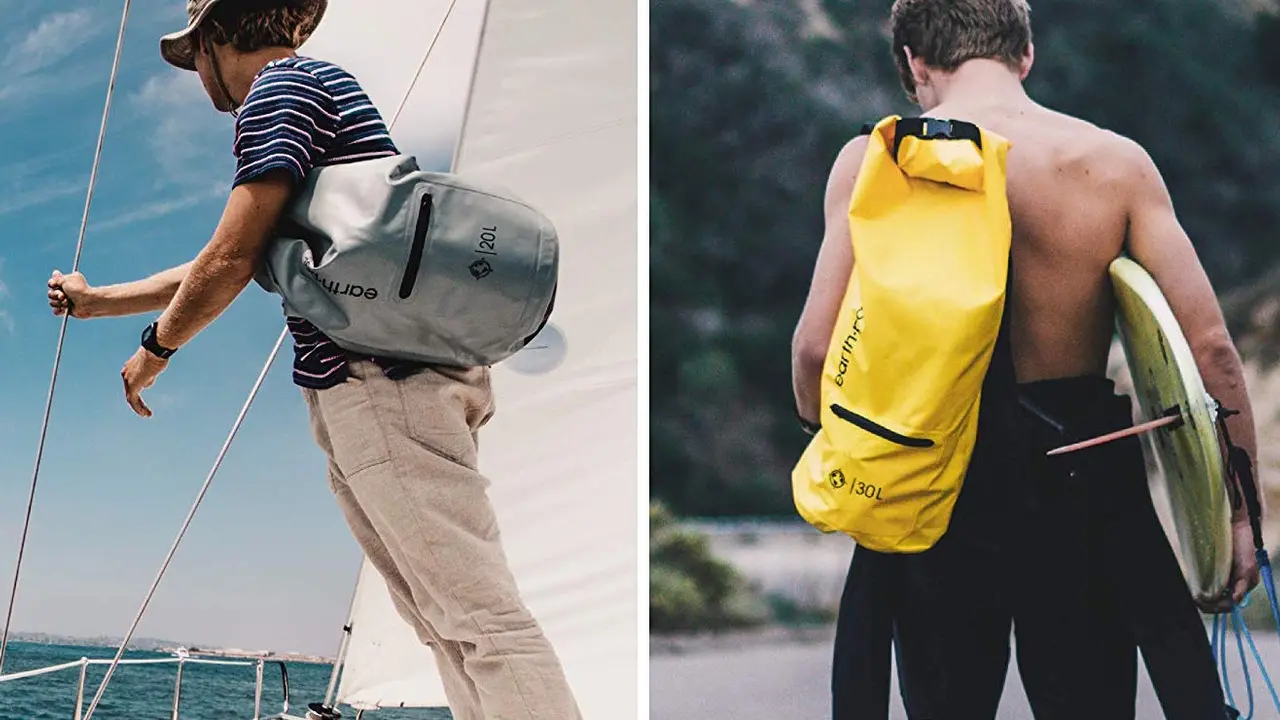
For larger dry bags (20L+), comfortable shoulder straps or sturdy grab handles are a must. Some even come with backpack-style straps, transforming your dry bag into a waterproof backpack, which is incredibly convenient for portages or longer walks to the water.
External Pockets and Bungee Cords: Quick Access and Storage
While the main compartment needs to be watertight, external mesh pockets or bungee cords can be useful for storing items you need quick access to, like a water bottle, sunscreen, or a map, without compromising the main dry compartment.
Transparency and Color Options: Visibility and Organization
Some dry bags feature a transparent window or are made from translucent material, allowing you to see what’s inside without opening the bag. This is great for quick identification. Bright colors are also a good idea, as they make your bag easier to spot if it goes overboard.
Top Dry Bag Brands and Specific Product Recommendations
Alright, let’s get to some actual recommendations! These brands are well-regarded in the outdoor community for their quality and reliability.
Sea to Summit Big River Dry Bag: Lightweight and Durable All-Rounder
Description: Sea to Summit is a go-to for lightweight and durable outdoor gear. Their Big River Dry Bag series is made from a tough, abrasion-resistant 420D nylon fabric with a TPU laminate. It’s designed to be incredibly strong for its weight, making it ideal for kayaking, canoeing, and general outdoor use where durability is key but you don't want excessive bulk. It features a roll-top closure with a D-ring for secure attachment and a hypalon lash loop for easy stacking or securing.
Use Case: Perfect for multi-day kayak trips, canoe expeditions, or any adventure where your bag might rub against rough surfaces. Great for packing clothes, sleeping bags, or electronics (inside a protective case for extra peace of mind).
Comparison: Lighter than traditional PVC bags but more robust than ultra-lightweight dry sacks. Offers a good balance of durability and packability.
Price Range: $25 - $70 depending on size (5L to 65L).
Osprey Ultralight Dry Sack: Minimalist and Packable Protection
Description: Osprey, known for its fantastic backpacks, also makes excellent dry sacks. Their Ultralight Dry Sacks are made from 40D ripstop nylon with a silicone and polyurethane coating, making them incredibly lightweight and packable. They feature a simple roll-top closure and are designed to fit easily inside a larger backpack or duffel. They come in various bright colors for easy organization.
Use Case: Ideal for backpackers, hikers, or travelers who need to keep specific items dry within a larger pack. Think keeping your sleeping bag dry in a sudden downpour, or organizing wet/dry clothes in your travel bag. Not designed for full submersion for extended periods, but excellent for splash protection and keeping moisture out.
Comparison: Much lighter and more packable than PVC or even TPU bags. Best for internal organization and light-duty water protection.
Price Range: $15 - $40 depending on size (3L to 30L).
Earth Pak Waterproof Dry Bag: Rugged and Affordable PVC Option
Description: Earth Pak is a popular choice for those seeking a robust and budget-friendly dry bag. Made from heavy-duty 500D PVC, these bags are built to withstand tough conditions. They feature a reliable roll-top closure and often come with a waterproof phone case included, which is a nice bonus. Many sizes also include a single shoulder strap for easier carrying.
Use Case: Excellent for rafting, boating, fishing, or any activity where your bag might get seriously wet or knocked around. Great for protecting larger items like towels, extra clothing, and even small camping gear.
Comparison: More affordable and generally more durable against punctures than lighter nylon or TPU bags. Heavier and less flexible, but a solid choice for rough use.
Price Range: $20 - $60 depending on size (10L to 55L).
NRS Bill's Bag: The Expedition-Grade Dry Bag Backpack
Description: When it comes to serious whitewater and expedition use, NRS (Northwest River Supplies) is a legendary name. The Bill's Bag is their iconic dry bag backpack, made from heavy-duty TobaTex material (a PVC-coated polyester fabric). It features a large roll-top opening, a comfortable suspension system with padded shoulder straps and a waist belt, and multiple lash points. It's designed to carry a significant amount of gear comfortably and keep it absolutely dry.
Use Case: The ultimate choice for multi-day rafting trips, extended canoe expeditions, or any situation where you need to carry a lot of gear over land and water. Perfect for guides or serious adventurers.
Comparison: This is a full-fledged dry bag backpack, offering superior carrying comfort compared to standard dry bags with simple shoulder straps. Built for extreme durability and capacity.
Price Range: $150 - $250 depending on size (65L to 110L).
Aqua Quest White Water Dry Bag: Versatile and Feature-Rich
Description: Aqua Quest offers a range of high-quality dry bags, and their White Water series is a standout. Made from durable 420D ripstop fabric with a TPU lamination and DWR coating, these bags are tough yet relatively lightweight. They often feature external pockets (some waterproof, some not), multiple D-rings, and comfortable shoulder straps on larger models. They also come in various colors and sizes.
Use Case: A versatile option for a wide range of water sports, from kayaking and paddleboarding to camping and fishing. Good for those who want a balance of durability, features, and reasonable weight.
Comparison: Sits comfortably between the ultra-lightweight and heavy-duty PVC options, offering a good blend of features and performance for general use.
Price Range: $30 - $100 depending on size (10L to 100L).
Tips for Maximizing Your Dry Bag's Performance and Longevity
Even the best dry bag needs a little love to perform its best and last for years:
Proper Rolling Technique: The Key to a Watertight Seal
Always roll the top down at least 3-5 times, ensuring the folds are tight and even. Don't just fold it once or twice; that won't create a proper seal. The more rolls, the better the seal, up to a point.
Avoid Overpacking: Leave Room for the Roll
Don't stuff your dry bag to the brim. You need enough space at the top to make those crucial rolls. Overpacking can prevent a proper seal and put undue stress on the material.
Double Bagging for Electronics: Extra Peace of Mind
For highly sensitive electronics like cameras or expensive phones, consider putting them in a smaller, secondary dry bag or a waterproof case *inside* your main dry bag. It’s an extra layer of protection that can save you a lot of heartache.
Cleaning and Storage: Maintain Your Investment
After each use, especially in saltwater, rinse your dry bag with fresh water and let it air dry completely, both inside and out, before storing it. Store it unrolled or loosely rolled in a cool, dry place to prevent mildew and prolong the life of the material and seals. Avoid storing it in direct sunlight for extended periods.
Check for Punctures and Tears: Regular Inspection
Periodically inspect your dry bag for any small holes, tears, or signs of wear, especially around the seams and closure. Small punctures can often be repaired with a patch kit designed for the specific material (PVC or TPU).
Beyond the Basics: Advanced Dry Bag Applications
Dry bags aren't just for keeping things dry; they can be surprisingly versatile:
Makeshift Pillow or Seat: Comfort on the Go
Inflate your dry bag with air (don't overinflate!) and seal it up. Voila! You have a surprisingly comfortable makeshift pillow for camping or a soft seat on a rocky shore.
Emergency Flotation Device: A Lifesaver in a Pinch
If you find yourself in an emergency situation and need some extra buoyancy, an inflated and sealed dry bag can act as a temporary flotation device. Just remember, it's not a substitute for a PFD (Personal Flotation Device).
Water Carrier: Transporting Water in a Pinch
While not designed for long-term water storage, in a pinch, a clean dry bag can be used to transport non-potable water from a source to your camp. Just be sure to clean it thoroughly afterward.
Dirty Laundry Bag: Keep Smells Contained
After a long trip, your dirty clothes might be a bit… fragrant. A dry bag is perfect for sealing away smelly laundry, keeping the rest of your gear fresh.
Final Thoughts on Dry Bag Selection
Choosing the right dry bag really comes down to your specific needs. Consider what you’ll be carrying, how wet it’s likely to get, and how you’ll be transporting it. For casual use and light splashes, a simple roll-top nylon bag might suffice. For serious whitewater or extended expeditions, invest in a heavy-duty PVC or TPU bag, possibly with backpack straps. No matter your adventure, a reliable dry bag is an investment that will protect your gear and enhance your outdoor experience. So go ahead, get out there, and don't let a little water ruin your day!
:max_bytes(150000):strip_icc()/277019-baked-pork-chops-with-cream-of-mushroom-soup-DDMFS-beauty-4x3-BG-7505-5762b731cf30447d9cbbbbbf387beafa.jpg)