Essential First Aid Kits for Outdoor Adventures
Prepare for emergencies with essential first aid kits for outdoor adventures. Learn what to include and why a well-stocked kit is crucial.
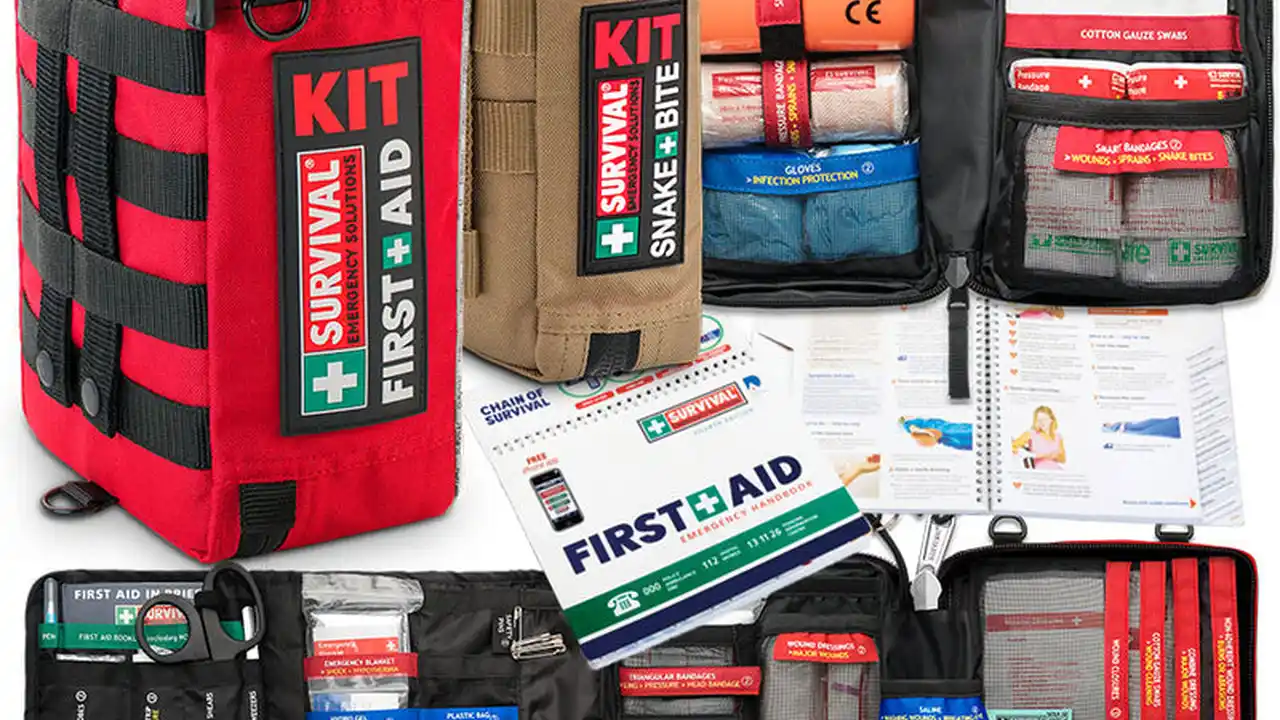
Prepare for emergencies with essential first aid kits for outdoor adventures. Learn what to include and why a well-stocked kit is crucial.
Essential First Aid Kits for Outdoor Adventures Your Ultimate Guide
Hey outdoor enthusiasts! Whether you're hitting the trails for a day hike, embarking on a multi-day backpacking trip, or just enjoying a weekend camping getaway, one thing you absolutely cannot afford to overlook is a well-stocked first aid kit. Think of it as your portable safety net, ready to tackle anything from a minor blister to a more serious injury. In the great outdoors, help isn't always just a phone call away, and being prepared can make all the difference. This guide is going to walk you through everything you need to know about building, buying, and using an essential first aid kit for your outdoor adventures.
Why a First Aid Kit is Non-Negotiable for Outdoor Safety
Let's be real, accidents happen. A slip on a wet rock, a misstep on uneven terrain, or even just an unexpected allergic reaction can turn a fantastic day into a challenging situation. When you're out in nature, away from immediate medical facilities, your first aid kit becomes your primary tool for managing injuries and illnesses until professional help can be reached, or you can get back to civilization. It's not just about treating injuries; it's about preventing minor issues from becoming major problems, ensuring comfort, and potentially saving lives. Plus, having a kit gives you peace of mind, allowing you to fully immerse yourself in the beauty of your surroundings without constant worry.
What to Include in Your Outdoor First Aid Kit Essential Components
Building a comprehensive first aid kit means thinking about the most common injuries and ailments you might encounter. While pre-made kits are a good starting point, customizing yours based on your specific activities, trip duration, and group size is always a smart move. Here’s a breakdown of essential components:
Wound Care and Bandaging Supplies for Cuts and Scrapes
- Adhesive Bandages: A variety of sizes for cuts and scrapes. Think about waterproof options too.
- Sterile Gauze Pads: Different sizes (e.g., 2x2, 3x3, 4x4 inches) for covering larger wounds.
- Adhesive Tape: Medical tape to secure gauze or bandages.
- Antiseptic Wipes or Solution: Alcohol pads, povidone-iodine wipes, or a small bottle of antiseptic solution to clean wounds.
- Butterfly Closures or Steri-Strips: For closing small cuts that might otherwise gape open.
- Moleskin or Blister Treatment: Crucial for hikers! Prevents and treats blisters.
- Non-Adherent Pads: To cover wounds without sticking.
- Roller Bandage (Conforming Bandage): For securing dressings or providing light support.
Medications and Pain Relief Your Portable Pharmacy
- Pain Relievers: Ibuprofen (Advil, Motrin) or Acetaminophen (Tylenol) for headaches, muscle aches, or minor pain.
- Antihistamines: For allergic reactions (e.g., Benadryl). Consider non-drowsy options too.
- Anti-Diarrhea Medication: Loperamide (Imodium) is a lifesaver on the trail.
- Antacids: For indigestion or heartburn.
- Topical Ointments: Antibiotic ointment (Neosporin) for cuts, hydrocortisone cream for rashes or insect bites.
- Personal Prescription Medications: Don't forget any daily meds you or your group members need. Carry extra!
- Epinephrine Auto-Injector (EpiPen): If anyone in your group has severe allergies.
- Oral Rehydration Salts: For dehydration due to illness or extreme exertion.
Tools and Miscellaneous Items Essential Gear for Any Situation
- Gloves: Non-latex disposable gloves to protect yourself and the injured person.
- Scissors: Small, sharp scissors for cutting tape, gauze, or clothing.
- Tweezers: For removing splinters, ticks, or thorns.
- Safety Pins: Multi-purpose, for securing bandages or slings.
- CPR Mask or Shield: For performing CPR safely.
- Thermometer: Digital, for checking body temperature.
- Emergency Blanket (Mylar Blanket): For treating shock or hypothermia.
- Whistle: For signaling for help.
- Small Flashlight or Headlamp: With extra batteries, for nighttime emergencies.
- Duct Tape: The ultimate multi-tool for repairs and makeshift bandages.
- Pencil and Paper: For taking notes on symptoms or treatment.
- First Aid Manual or Guide: A small, waterproof guide with instructions for common emergencies.
Recommended First Aid Kits and Products for Outdoor Enthusiasts
While building your own kit is ideal, several reputable brands offer excellent pre-assembled first aid kits that can serve as a solid foundation. Here are a few top picks, along with some specific products to consider:
Adventure Medical Kits Mountain Series Backpacker Medical Kit
Description: This kit is specifically designed for 1-4 people on trips up to 4 days. It's compact, lightweight, and packed with supplies for common backcountry ailments and injuries. It includes wound care, blister treatment, medications, and even a small first aid guide. It's a fantastic balance of comprehensive supplies without being overly bulky. Use Case: Ideal for weekend backpacking trips, multi-day hikes, or small group camping. Comparison: More comprehensive than basic day-hike kits, but lighter than expedition-level kits. Focuses on essential backcountry needs. Approximate Price: $35 - $50 USD.
MyMedic MyFAK First Aid Kit
Description: MyMedic offers highly customizable and robust first aid kits. The MyFAK (My First Aid Kit) comes in various sizes and can be tailored with specific modules for trauma, outdoor, or everyday use. They are known for their durable, organized pouches and high-quality medical supplies. You can choose from basic to advanced versions. Use Case: Versatile for car camping, longer expeditions, or as a base camp kit. Excellent for those who want a highly organized and durable solution. Comparison: Higher price point but superior organization and quality of components. More modular and expandable than most pre-made kits. Approximate Price: $120 - $300+ USD (depending on size and modules).
REI Co-op Backpacker First Aid Kit
Description: REI's own brand offers a reliable and affordable option. This kit is designed for backpackers and includes a good range of supplies for common injuries and illnesses encountered on the trail. It's a great value for its contents and quality. Use Case: Good for general backpacking, day hikes, and car camping. A solid all-around choice for beginners or those on a budget. Comparison: A good entry-level to mid-range kit. Less specialized than Adventure Medical Kits but offers good value. Approximate Price: $25 - $40 USD.
Specific Product Recommendations for Your Kit
- Leukotape P: This highly adhesive tape is a game-changer for blister prevention and treatment. It stays put even in wet conditions.
- QuikClot Gauze: For serious bleeding, this hemostatic gauze can help clot blood faster. Essential for remote or high-risk activities.
- SAM Splint: A versatile, moldable splint that can be used for various fractures or sprains. Lightweight and easy to pack.
- Benadryl Allergy Relief (Diphenhydramine): Always carry this for unexpected allergic reactions, especially to insect stings or plants.
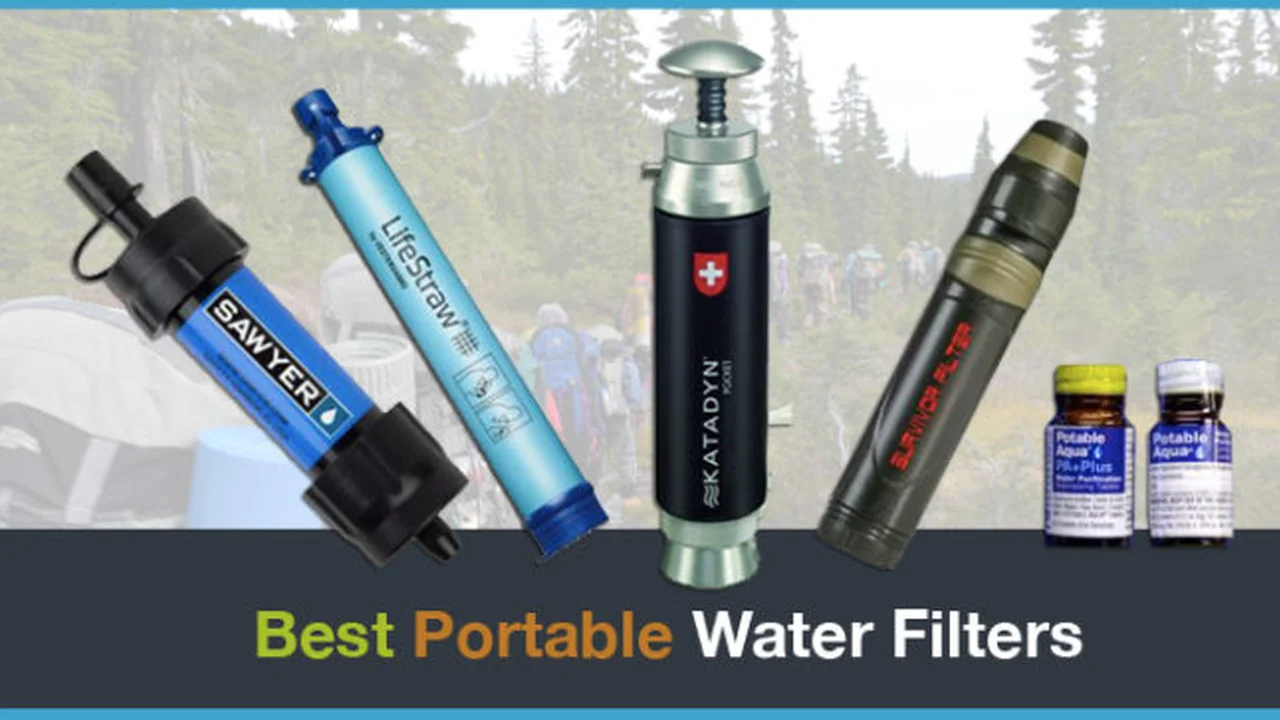
- Water Purification Tablets (e.g., Katadyn Micropur): While not strictly first aid, having a backup for safe drinking water is crucial if your primary system fails or you need to flush a wound.
Customizing Your Kit for Specific Adventures and Environments
Your first aid kit shouldn't be a one-size-fits-all solution. Tailor it to your specific needs:
Day Hikes and Short Trips Minimalist Yet Effective
For shorter outings, you can pare down your kit. Focus on immediate wound care, blister treatment, pain relief, and any personal medications. A small, lightweight pouch is sufficient. Think about what you'd need to get yourself back to the trailhead safely.
Backpacking and Multi-Day Expeditions Comprehensive Coverage
Longer trips require a more extensive kit. You'll need more of everything, plus items for more serious injuries like sprains, fractures, and severe allergic reactions. Consider adding a SAM splint, more robust wound closure options, and a wider range of medications. Also, think about the specific environment – are you in an area with venomous snakes? Add a snake bite kit (though these are often controversial and proper training is key).
Water Sports and Coastal Adventures Waterproofing is Key
If you're kayaking, paddleboarding, or boating, ensure your kit is in a waterproof dry bag or container. Include items for marine stings (e.g., vinegar for jellyfish), ear drops for swimmer's ear, and extra sun protection.
Cold Weather and Mountaineering Hypothermia and Frostbite Preparedness
For cold environments, prioritize items for hypothermia (emergency blanket, chemical hand warmers), frostbite (extra layers, warm drinks), and cold-related injuries. Ensure medications are stored in a way that prevents freezing.
Tropical and Jungle Environments Insect and Infection Control
In humid, tropical areas, focus on insect bite treatment, strong insect repellent, anti-fungal creams, and more robust wound care to prevent infection in challenging conditions. Consider water purification methods.
Beyond the Kit First Aid Knowledge and Training
Having a well-stocked first aid kit is only half the battle. The other, equally important half, is knowing how to use it. Taking a wilderness first aid (WFA) or wilderness first responder (WFR) course is highly recommended for anyone spending significant time in the backcountry. These courses teach you how to assess situations, manage injuries, and make critical decisions when professional medical help is hours or even days away. Even a basic first aid and CPR course can provide invaluable skills.
Maintaining Your First Aid Kit Regular Checks and Replenishment
Your first aid kit isn't a set-it-and-forget-it item. It needs regular attention:
- Check Expiration Dates: Medications and some sterile supplies have expiration dates. Replace them before they expire.
- Replenish Used Items: After every trip, take stock of what you used and replace it. Don't wait until the last minute.
- Inspect Packaging: Ensure sterile items are still sealed and packaging isn't damaged.
- Review Contents: Periodically review your kit's contents to ensure it still meets your needs for upcoming trips.
- Keep it Dry and Accessible: Store your kit in a dry, easily accessible location in your pack.
Being prepared for the unexpected is a hallmark of a responsible outdoor adventurer. A well-thought-out and regularly maintained first aid kit, combined with proper training, empowers you to handle emergencies confidently and ensures that your outdoor experiences remain safe and enjoyable. So, before your next adventure, take the time to build or update your kit. Your safety, and the safety of those with you, depends on it.
:max_bytes(150000):strip_icc()/277019-baked-pork-chops-with-cream-of-mushroom-soup-DDMFS-beauty-4x3-BG-7505-5762b731cf30447d9cbbbbbf387beafa.jpg)