The 5 Best Camping Pillows for Backpackers
Ensure restful sleep with the 5 best camping air mattresses. Review comfort, inflation methods, and durability for your next camping trip.
The 5 Best Camping Pillows for Backpackers
Ensure restful sleep with the 5 best camping air mattresses. Review comfort, inflation methods, and durability for your next camping trip.
The 5 Best Camping Pillows for Backpackers
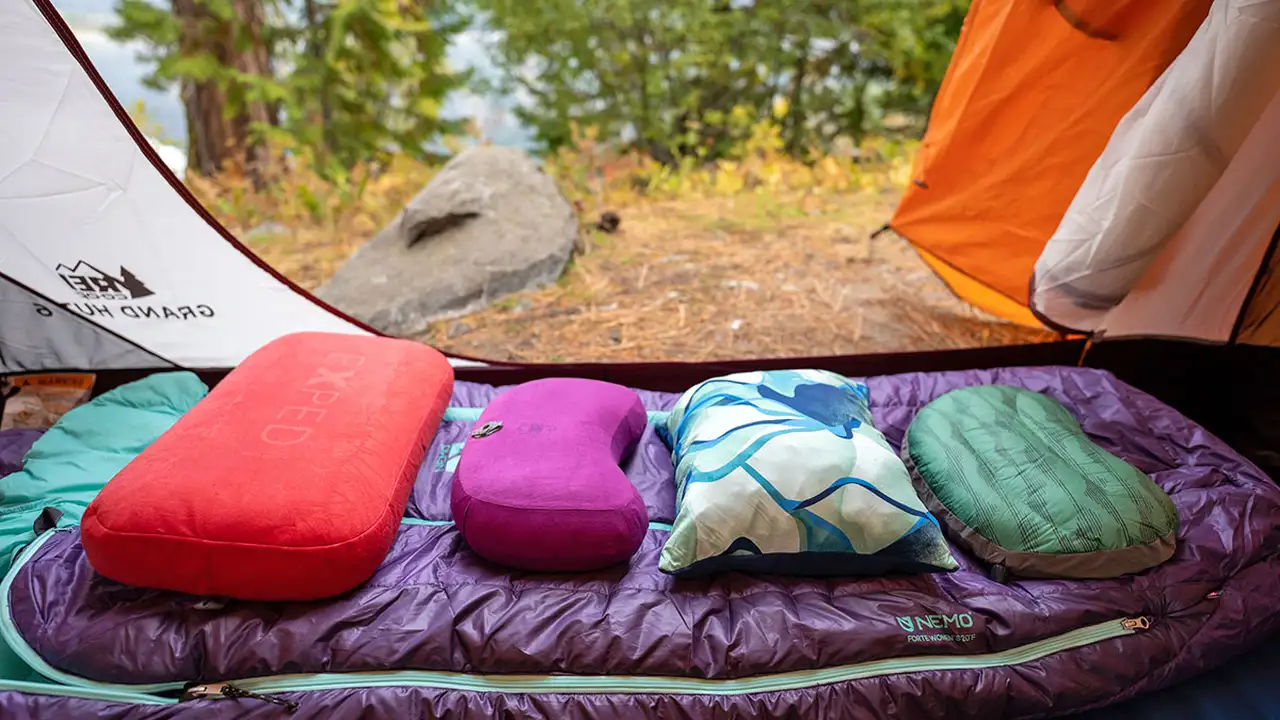
When you're out on the trail, every ounce counts, and every inch of space is precious. But that doesn't mean you have to sacrifice a good night's sleep. A comfortable camping pillow can be the difference between waking up refreshed and ready for another day of adventure, or feeling stiff and grumpy. For backpackers, the ideal pillow needs to be lightweight, compact, and surprisingly comfortable. Forget stuffing your clothes into a stuff sack – modern camping pillows offer incredible support and pack down to almost nothing. We've scoured the market to bring you the top 5 camping pillows that will make your backpacking trips infinitely more enjoyable.
Why a Dedicated Camping Pillow is a Game Changer for Backpacking Comfort
You might be thinking, "Do I really need a special pillow? Can't I just use my jacket?" While a jacket can work in a pinch, a dedicated camping pillow offers several advantages that significantly enhance your sleep quality in the backcountry. Firstly, they provide consistent support. Unlike a lumpy pile of clothes, a well-designed camping pillow cradles your head and neck, promoting proper spinal alignment. This is crucial for preventing neck pain and stiffness, especially after a long day of hiking. Secondly, hygiene. Your jacket gets sweaty and dirty on the trail; do you really want to rest your face on that all night? Camping pillows are often made with easy-to-clean materials and can be aired out or wiped down. Thirdly, packability. Modern camping pillows are engineered to compress to an incredibly small size, often no bigger than a soda can, making them far more efficient than bulky clothing. Finally, insulation. Some pillows offer a degree of insulation, which can be a welcome addition on colder nights, keeping your head warmer than a simple clothing pile.
Key Features to Consider When Choosing Your Backpacking Pillow
Before diving into our top picks, let's talk about what makes a great backpacking pillow. Understanding these features will help you make an informed decision based on your personal preferences and trip requirements.
Weight and Packability: The Backpackers Golden Rule
For backpackers, weight is paramount. You're carrying everything on your back, so every gram matters. Look for pillows that weigh under 6 ounces, ideally closer to 3-4 ounces. Equally important is packability. The pillow should compress down to a very small size, easily fitting into a corner of your pack without taking up valuable space. Inflatable pillows generally excel in this category, as they can be deflated and rolled up tightly.
Comfort and Support: Your Head's Best Friend
This is subjective, but crucial. Consider the shape and loft of the pillow. Some prefer a flatter pillow, while others need more height for neck support. Inflatable pillows allow you to adjust the firmness by adding or releasing air, offering customizable comfort. Hybrid pillows, which combine inflatable cores with foam or synthetic fill, offer a softer feel while still being relatively packable. The fabric of the pillow also plays a role – look for soft, breathable materials that won't feel clammy against your skin.
Durability: Built for the Backcountry
Your pillow needs to withstand the rigors of outdoor use. Look for robust fabrics that resist punctures and tears. If it's an inflatable pillow, check the valve system – it should be secure and easy to operate, but also durable enough to prevent leaks. Reputable brands often use high-quality materials and construction techniques.
Inflation Method: Ease of Use on the Trail
Most inflatable pillows require manual inflation. Some have simple twist valves, while others feature push-button or flat valves. Consider how easy it is to inflate and deflate, especially after a long day when you're tired. Some pillows come with integrated pumps or can be inflated with a pump sack, which can be a nice convenience.
Material: Softness and Hygiene
Common materials include polyester, nylon, and sometimes a soft-touch fabric like brushed polyester or microfleece on the sleeping surface. Consider how easy the material is to clean and if it feels comfortable against your skin. Some pillows have removable, washable covers, which is a huge plus for hygiene.
Top 5 Camping Pillows for Backpackers: Detailed Reviews and Comparisons
Now, let's dive into our top recommendations, comparing their features, ideal use cases, and approximate pricing.
1. Sea to Summit Aeros Premium Pillow: The All-Rounder for Comfort and Packability
The Sea to Summit Aeros Premium Pillow is consistently a top contender for backpackers, and for good reason. It strikes an excellent balance between comfort, weight, and packability. It features a soft, brushed 50D polyester knit fabric on the top for a comfortable feel against your skin, and a durable 20D polyester base. The pillow uses a multi-function valve for easy inflation and deflation, allowing you to fine-tune the firmness to your liking. The curved internal baffles create a comfortable cradle for your head, preventing it from rolling off during the night.
Ideal Use Case: Backpackers who prioritize comfort without adding significant weight or bulk. Excellent for side sleepers and back sleepers alike due to its adjustable loft.
Key Features:
- Lightweight (around 2.5-4.2 oz depending on size)
- Highly packable (packs down to the size of a small orange)
- Soft, brushed polyester sleeping surface
- Multi-function valve for easy inflation/deflation
- Curved internal baffles for head cradling
Pros: Excellent comfort-to-weight ratio, very soft fabric, easy to adjust firmness, good head support.
Cons: Can be a bit noisy if you move around a lot (common with inflatable pillows), not as warm as some hybrid options.
Approximate Price: $40 - $50 USD
2. Nemo Fillo Pillow: Hybrid Comfort for a Home-Like Feel
If you crave a more luxurious, home-like feel in your camping pillow, the Nemo Fillo Pillow is an excellent choice. It's a hybrid design, combining an inflatable air bladder with a layer of memory foam. This combination provides superior cushioning and a softer feel than purely inflatable pillows. The memory foam also helps to reduce the crinkly noise often associated with inflatable pillows. It features a soft microsuede or jersey fabric cover that is removable and washable, a huge plus for hygiene. While slightly heavier and bulkier than the Aeros Premium, many find the added comfort worth the trade-off.
Ideal Use Case: Backpackers who prioritize maximum comfort and a soft feel, willing to carry a little extra weight for a better night's sleep. Great for those who struggle to sleep on purely inflatable pillows.
Key Features:
- Hybrid design (inflatable core + memory foam)
- Soft, removable, and washable cover
- Integrated stuff sack
- Adjustable firmness
- Slightly larger packed size than pure inflatables
Pros: Excellent comfort, very soft feel, quiet, washable cover, good support.
Cons: Heavier and bulkier than pure inflatable pillows, higher price point.
Approximate Price: $45 - $60 USD
3. Klymit Pillow X: Ultralight and Ergonomic for Minimalists
For the ultralight backpacker who counts every gram, the Klymit Pillow X is a fantastic option. Weighing in at a mere 1.9 ounces, it's one of the lightest inflatable pillows on the market. Its unique X-shaped design is engineered to self-center your head, providing stable support even if you toss and turn. It inflates quickly with just a few breaths and packs down incredibly small. While it doesn't offer the plushness of the Nemo Fillo, its ergonomic design and minimal weight make it a favorite among gram-conscious adventurers.
Ideal Use Case: Ultralight backpackers, thru-hikers, and anyone looking for the absolute lightest and most compact pillow possible. Best for those who prioritize weight savings above all else.
Key Features:
- Extremely lightweight (1.9 oz)
- Ultra-compact packed size
- X-shaped design for head centering
- Quick inflation/deflation
- Durable 30D polyester fabric
Pros: Incredibly light, packs tiny, ergonomic design, very affordable.
Cons: Less plush comfort compared to hybrid or premium inflatable options, can feel a bit thin for some users.
Approximate Price: $25 - $35 USD
4. Therm-a-Rest Compressible Pillow: Foam Comfort for Car Campers and Occasional Backpackers
While primarily known for car camping, the Therm-a-Rest Compressible Pillow deserves a mention for backpackers who prioritize foam comfort and don't mind a slightly larger packed size. This pillow is filled with upcycled foam from Therm-a-Rest's sleeping pad production, making it an eco-friendly choice. It's not inflatable, so it doesn't pack down as small as the others on this list, but it offers a consistent, soft, and quiet sleeping surface. It's incredibly comfortable and feels just like a pillow from home. It comes in various sizes, with the small and medium being the most suitable for backpacking if you have the space.
Ideal Use Case: Backpackers who prioritize a traditional foam pillow feel and are willing to sacrifice some packability. Excellent for those who find inflatable pillows uncomfortable or noisy. Also a great option for car camping or shorter backpacking trips where space isn't as critical.
Key Features:
- Foam fill (upcycled)
- Soft, brushed polyester cover
- Rolls up into an integrated stuff sack
- Quiet and consistent support
- Available in multiple sizes
Pros: Very comfortable, feels like a home pillow, quiet, eco-friendly materials, durable.
Cons: Bulkier and heavier than inflatable options, not as adjustable in firmness.
Approximate Price: $25 - $45 USD (depending on size)
5. Trekology Aluft 2.0 Ultralight Inflatable Camping Pillow: Budget-Friendly and Functional
For backpackers on a budget who still want a dedicated inflatable pillow, the Trekology Aluft 2.0 offers excellent value. It's lightweight, compact, and surprisingly comfortable for its price point. It features a non-slip design to keep it in place on your sleeping pad and a two-way valve for easy inflation and deflation. While it might not have the premium feel of a Sea to Summit or the hybrid comfort of a Nemo, it gets the job done effectively and reliably for a fraction of the cost.
Ideal Use Case: Budget-conscious backpackers, beginners, or those who need a reliable backup pillow. Good for occasional trips where extreme comfort isn't the absolute top priority but a dedicated pillow is desired.
Key Features:
- Lightweight (around 3.9 oz)
- Compact packed size
- Non-slip design
- Two-way valve
- Durable TPU fabric
Pros: Very affordable, lightweight, compact, good basic comfort, non-slip feature.
Cons: Can be a bit noisy, not as plush as higher-end options, less refined feel.
Approximate Price: $15 - $25 USD
Comparing the Top Picks: Which Pillow is Right for You?
Let's break down the choices based on common backpacker priorities:
For the Comfort Seeker: Nemo Fillo vs. Sea to Summit Aeros Premium
If comfort is your absolute top priority and you're willing to carry a little extra weight, the Nemo Fillo is likely your best bet. Its memory foam layer provides a plush, quiet, and supportive feel that closely mimics a pillow from home. However, if you want excellent comfort with a more significant emphasis on weight and packability, the Sea to Summit Aeros Premium is the winner. It's lighter and packs smaller, while still offering great adjustable support and a soft sleeping surface.
For the Ultralight Enthusiast: Klymit Pillow X vs. Sea to Summit Aeros Premium
When every gram counts, the Klymit Pillow X is hard to beat. At under 2 ounces, it's incredibly light and compact. It provides basic, ergonomic support. If you can spare a couple more ounces for a noticeable bump in comfort and a softer feel, the Sea to Summit Aeros Premium is still a very strong contender in the lightweight category, offering a more traditional pillow shape and feel.
For the Budget-Conscious Backpacker: Trekology Aluft 2.0 vs. Klymit Pillow X
Both the Trekology Aluft 2.0 and the Klymit Pillow X offer great value. The Trekology is slightly heavier but offers a more traditional rectangular shape and a non-slip base. The Klymit is lighter and more uniquely shaped. If you want the absolute cheapest and lightest, go with Klymit. If you prefer a more standard pillow shape and don't mind a few extra ounces for a slightly larger surface area, the Trekology is a solid choice.
For the Traditionalist (Foam Lover): Therm-a-Rest Compressible Pillow
If you simply cannot get comfortable on an inflatable pillow and prefer the consistent, quiet feel of foam, the Therm-a-Rest Compressible Pillow is your go-to. Just be aware of its larger packed size and weight compared to the inflatable options. It's a fantastic choice for shorter trips or if you have ample space in your pack.
Tips for Maximizing Your Camping Pillow's Performance
Getting the most out of your camping pillow isn't just about choosing the right one; it's also about how you use it. Here are a few tips:
Adjusting Firmness: Find Your Sweet Spot
For inflatable pillows, experiment with the amount of air you put in. A fully inflated pillow might be too firm for some, while a slightly deflated one can offer a softer, more conforming feel. Take a few moments to adjust it before settling in for the night.
Pairing with Your Sleeping Pad: Preventing Pillow Slip
Some sleeping pads and pillows have integrated systems (like Sea to Summit's PillowLock) to keep the pillow from sliding around. If yours doesn't, try placing your pillow inside the hood of your sleeping bag, or use a small piece of non-slip fabric (like shelf liner) between the pillow and your pad. The Trekology Aluft 2.0 also has a non-slip base built-in.
Cleaning and Maintenance: Keep it Fresh
Always follow the manufacturer's cleaning instructions. For inflatable pillows, a simple wipe down with a damp cloth is usually sufficient. If your pillow has a removable cover (like the Nemo Fillo), wash it regularly. Ensure your pillow is completely dry before packing it away to prevent mildew and odors.
Storage: Longevity Matters
When storing your inflatable pillow for extended periods, it's often best to leave the valve open and store it unrolled or loosely folded. This prevents stress on the seams and valve, prolonging its lifespan. For foam pillows, store them in a dry, well-ventilated area.
Final Thoughts on Choosing Your Backpacking Sleep Companion
Choosing the best camping pillow for backpacking comes down to balancing your personal comfort preferences with the practicalities of weight and packability. There's no single 'best' pillow for everyone, but by considering the features we've discussed and our top recommendations, you're well on your way to finding the perfect sleep companion for your next adventure. Investing in a good camping pillow is a small price to pay for a significant upgrade in your backcountry sleep quality. Sweet dreams on the trail!
:max_bytes(150000):strip_icc()/277019-baked-pork-chops-with-cream-of-mushroom-soup-DDMFS-beauty-4x3-BG-7505-5762b731cf30447d9cbbbbbf387beafa.jpg)