Essential Hiking Socks for Blister Prevention
Review of essential hiking socks for blister prevention. Learn about materials, cushioning, and fit for comfortable long-distance walks.
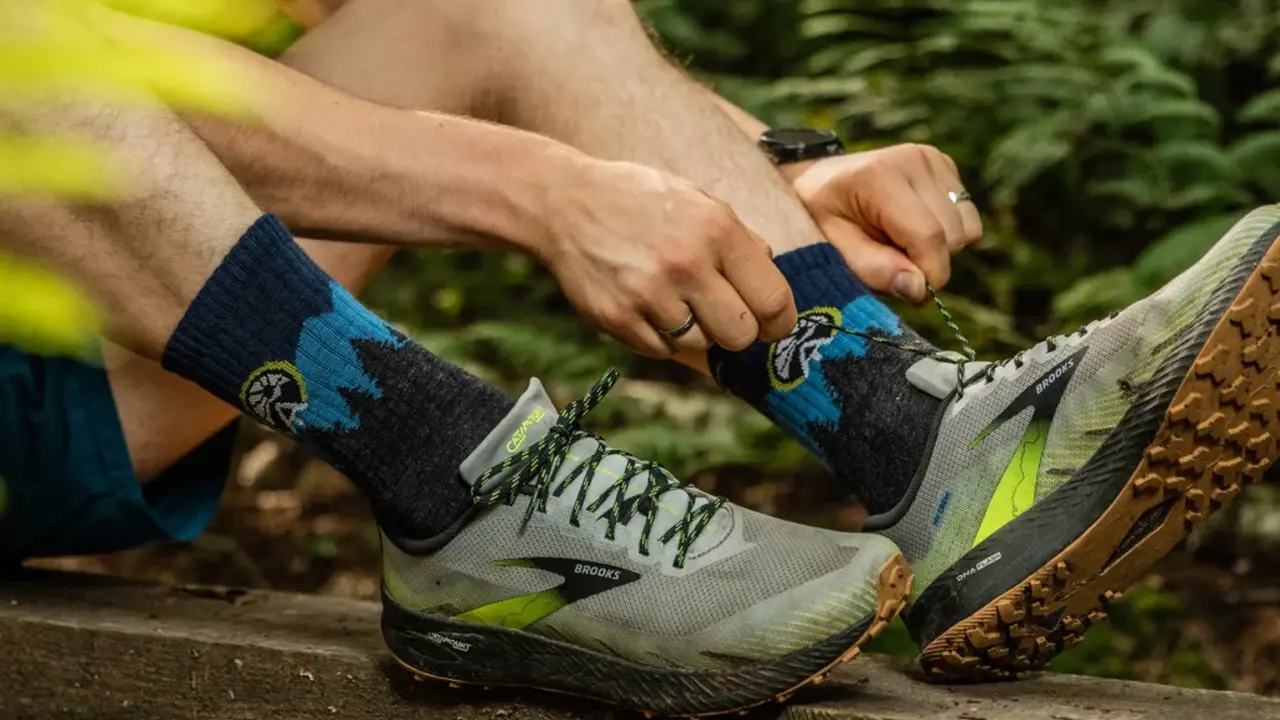
Review of essential hiking socks for blister prevention. Learn about materials, cushioning, and fit for comfortable long-distance walks.
Essential Hiking Socks for Blister Prevention and Comfort
Alright, let's talk about hiking socks. Seriously, these unsung heroes of the trail are often overlooked, but they can make or break your hiking experience. You might have the fanciest boots, the lightest pack, and the most scenic route planned, but if your feet are covered in blisters, none of that matters. Blisters are the absolute worst, right? They can turn a dream hike into a painful slog, forcing you to cut your adventure short or endure agonizing steps. That's why choosing the right hiking socks isn't just about comfort; it's about preventing those nasty hot spots and ensuring your feet stay happy, dry, and blister-free, mile after glorious mile. We're going to dive deep into what makes a great hiking sock, exploring different materials, cushioning levels, and the perfect fit. We'll also recommend some top-notch options that have proven their worth on countless trails, from easy day hikes to challenging multi-day treks. So, let's get those feet ready for some serious trail time!
Understanding Hiking Sock Materials The Foundation of Foot Comfort
When it comes to hiking socks, the material is king. You're looking for fabrics that can manage moisture, regulate temperature, and provide durability. Cotton, for instance, is a big no-no for hiking. Why? Because cotton absorbs sweat and holds onto it, leading to damp feet, friction, and ultimately, blisters. Plus, wet cotton loses its insulating properties, which can be dangerous in colder conditions. So, what should you be looking for?
Merino Wool Hiking Socks Natural Performance
Merino wool is often considered the gold standard for hiking socks, and for good reason. It's a natural fiber known for its incredible properties. First off, it's excellent at wicking moisture away from your skin, keeping your feet dry even when you're sweating. Secondly, merino wool is naturally thermoregulating, meaning it helps keep your feet warm in cold weather and cool in warm weather. It's also naturally odor-resistant, which is a huge bonus on multi-day trips when you can't wash your socks every night. And despite being wool, it's surprisingly soft and non-itchy, even for sensitive skin. The only real downside is that it can be a bit more expensive than synthetic options, and it might take a little longer to dry if it gets completely soaked.
Recommended Merino Wool Socks
- Darn Tough Hiker Micro Crew Cushion Socks: These are legendary for a reason. Darn Tough socks are made in Vermont, USA, and come with an unconditional lifetime guarantee. The Hiker Micro Crew Cushion offers a perfect balance of cushioning and breathability. They're incredibly durable, wick moisture like a dream, and resist odors. They come in various cushioning levels, but the 'Cushion' is a great all-rounder for most hikers. Expect to pay around $20-$25 per pair. Ideal for day hikes, backpacking, and long-distance trails.
- Smartwool PhD Outdoor Light Crew Socks: Smartwool is another top contender in the merino wool sock game. Their PhD Outdoor Light Crew socks are designed for performance, featuring targeted cushioning and mesh ventilation zones. They're comfortable, durable, and excel at moisture management. They're a bit lighter than the Darn Tough Hiker, making them great for warmer weather or hikers who prefer less bulk. Price point is similar, around $18-$22. Excellent for fast-paced hiking and warmer conditions.
- Icebreaker Hike Light Crew Socks: Icebreaker is known for its high-quality merino apparel, and their hiking socks are no exception. The Hike Light Crew offers a comfortable, breathable fit with light cushioning. They're great for everyday hiking and travel, providing natural odor resistance and temperature regulation. They might not be as robust as Darn Tough for extreme conditions, but they offer superb comfort. Typically priced around $18-$20. Good for casual hikes and everyday outdoor wear.
Synthetic Hiking Socks Durability and Quick Drying
Synthetic socks, typically made from polyester, nylon, or a blend of both, are another excellent choice for hiking. Their main advantages are their durability, quick-drying properties, and often a lower price point compared to merino wool. Synthetics are fantastic at wicking moisture away from your skin, and they dry incredibly fast, which is a huge plus if you're crossing streams or hiking in wet conditions. They can sometimes feel a bit less soft than merino wool, and while many are treated for odor resistance, they might not perform as well as merino in that department over multiple days. However, their resilience makes them a favorite for many hikers.
Recommended Synthetic Socks
- Wrightsock Coolmesh II Crew Socks: Wrightsock is unique because they feature a double-layer construction. This inner and outer layer design works by absorbing friction between the layers, not between the sock and your skin, which is a fantastic blister prevention strategy. The Coolmesh II is made from a blend of polyester and nylon, offering excellent moisture wicking and breathability. They are incredibly effective at preventing blisters, especially for those prone to them. Expect to pay around $15-$18. Highly recommended for hikers prone to blisters and long-distance walking.
- Balega Blister Resist Quarter Socks: While often associated with running, Balega's Blister Resist socks are fantastic for hiking too. They combine natural mohair with synthetic fibers to create a sock that's soft, durable, and highly effective at preventing blisters. Mohair has excellent moisture-wicking properties and is naturally smooth, reducing friction. These socks offer a snug, comfortable fit. Priced around $14-$17. Great for day hikes and trail running where blister prevention is key.
- REI Co-op Lightweight Hiking Crew Socks: REI's own brand socks offer great value and performance. These synthetic blend socks are designed for moisture wicking and breathability, with light cushioning for comfort. They're a solid, affordable option for casual hikers or as backup pairs. They might not have the advanced features of higher-end brands, but they get the job done reliably. Typically around $10-$12. A good budget-friendly option for general hiking.
Blends The Best of Both Worlds
Many hiking socks are actually made from a blend of merino wool and synthetic fibers. This combination aims to harness the best qualities of both materials: the comfort, odor resistance, and thermoregulation of merino, combined with the durability and quick-drying properties of synthetics. These blends often strike a fantastic balance, offering high performance for a wide range of conditions.
Recommended Blend Socks
- Farm to Feet Damascus Lightweight Crew Socks: Farm to Feet socks are 100% American-made, from the sheep to the finished product. Their Damascus Lightweight Crew socks are a merino wool blend that offers excellent moisture management and cushioning. They are known for their comfortable fit and durability, making them a reliable choice for various hiking conditions. They often feature seamless toe closures for added comfort. Price point is around $19-$23. Ideal for hikers seeking a balance of comfort, durability, and performance.
- FITS Light Hiker Crew Socks: FITS socks are renowned for their superior fit, which is crucial for blister prevention. Their Light Hiker Crew socks are a merino wool blend that conforms to your foot, minimizing bunching and friction. They offer excellent cushioning and moisture wicking, making them incredibly comfortable for long days on the trail. They are a bit on the pricier side but worth it for the fit and performance. Expect to pay around $20-$24. Excellent for hikers who prioritize a precise, comfortable fit.
Cushioning Levels Finding Your Perfect Padded Partner
Hiking socks come in various cushioning levels, and the best choice for you depends on your personal preference, the type of hiking you're doing, and the weather conditions. More cushioning generally means more warmth and bulk, while less cushioning means more breathability and a closer fit inside your boot.
No Cushion or Liner Socks Minimalist Feel
These are very thin socks, sometimes used as a first layer (liner sock) underneath a thicker outer sock. Liner socks are designed to wick moisture away from your skin, transferring it to the outer sock, and to reduce friction between your foot and the main sock. If you prefer a minimalist feel or are hiking in very hot conditions, a no-cushion sock might be suitable as a standalone. However, for most hiking, some level of cushioning is preferred for comfort and impact absorption.
Light Cushioning Versatile and Breathable
Lightly cushioned socks offer a good balance of comfort and breathability. They provide a bit of padding in key areas like the heel and ball of the foot, without adding excessive bulk. These are often a great choice for day hikes, warmer weather, or if your hiking boots have a very snug fit. They allow for good airflow and prevent your feet from overheating.
Medium Cushioning All-Rounder Comfort
Medium-cushioned socks are probably the most popular choice for general hiking and backpacking. They offer substantial padding for comfort and shock absorption, making them ideal for longer distances and carrying heavier loads. They provide good insulation for cooler weather but can still be breathable enough for moderate temperatures. If you're unsure where to start, a medium-cushioned sock is usually a safe bet.
Heavy Cushioning Maximum Warmth and Protection
Heavily cushioned socks are designed for cold weather, challenging terrain, or when you need maximum impact absorption. They are thick and plush, providing excellent insulation and protection. These are often used for winter hiking, mountaineering, or when carrying very heavy packs. Be aware that they take up more space in your boot, so ensure your footwear can accommodate them without feeling too tight, which can lead to circulation issues and blisters.
The Importance of Fit No More Bunching or Slipping
Even the best materials and cushioning won't save you if your socks don't fit properly. A poorly fitting sock is a primary cause of blisters. Here's what to look for:
Snug Not Tight
Your hiking socks should fit snugly around your foot without being constricting. There should be no excess material that can bunch up, especially around the toes or heel. Bunching creates friction points, which are blister magnets. Conversely, socks that are too tight can restrict circulation and cause discomfort.
Heel and Arch Support
The heel of the sock should sit perfectly on your heel, without slipping down into your boot. Many hiking socks feature an anatomical design or elasticized arch support to help keep the sock in place and provide additional comfort. A sock that slips down will inevitably cause rubbing and blisters.
Seamless Toe Construction
Look for socks with a seamless toe closure. Traditional seams can rub against your toes, especially on long descents, leading to irritation and blisters. A flat or seamless toe design significantly reduces this risk.
Crew Height or Higher
For hiking, always choose socks that are at least crew height, meaning they extend above the top of your hiking boots. This prevents your skin from rubbing directly against the boot collar, which can cause chafing and blisters. For higher boots or rougher terrain, a quarter or even knee-high sock might be preferable.
Blister Prevention Strategies Beyond the Sock
While the right socks are your first line of defense, a holistic approach to blister prevention is always best. Here are a few extra tips:
Break In Your Boots
Never, ever wear brand new boots on a long hike. Always break them in gradually around the house and on shorter walks to allow them to mold to your feet and identify any hot spots before they become full-blown blisters.
Keep Your Feet Dry
Moisture is a huge contributor to blisters. If your feet get wet from sweat or external sources, take a break, remove your boots and socks, and let your feet air out. If possible, change into a fresh, dry pair of socks. Some hikers even carry a small towel to dry their feet during breaks.
Trim Your Toenails
Long toenails can press against the front of your boots, especially on descents, leading to bruised or blistered toes. Keep them trimmed short.
Lace Your Boots Properly
Lacing your boots correctly can prevent your foot from sliding around inside, reducing friction. Experiment with different lacing techniques to find what works best for your foot shape and boot type.
Use Anti-Chafe Balms or Tapes
For areas prone to blisters, consider applying an anti-chafe balm (like Body Glide) or athletic tape (like Leukotape P or KT Tape) directly to your skin before you start hiking. This creates a protective barrier and reduces friction.
Address Hot Spots Immediately
If you feel a hot spot developing, stop immediately. Don't wait for it to become a blister. Cover the area with moleskin, a blister plaster, or tape to prevent further friction. It's much easier to prevent a blister than to treat one.
Caring for Your Hiking Socks Maximizing Longevity
To ensure your hiking socks last for many adventures, proper care is essential. Most hiking socks can be machine washed on a gentle cycle with cold water. Avoid using fabric softeners, as they can clog the fibers and reduce the sock's wicking capabilities. Tumble dry on low heat or, even better, air dry to preserve the elasticity and integrity of the materials. For merino wool socks, avoid high heat as it can cause shrinkage. Always check the care label on your specific socks for the best instructions.
Investing in high-quality hiking socks is one of the smartest decisions you can make for your outdoor adventures. They are a small but mighty piece of gear that directly impacts your comfort, performance, and overall enjoyment on the trail. By understanding the different materials, cushioning levels, and the importance of a proper fit, you can confidently choose the perfect pair to keep your feet happy and blister-free, allowing you to focus on the beauty of the outdoors rather than the pain in your feet. So go ahead, treat your feet to the comfort they deserve, and hit the trails with confidence!
:max_bytes(150000):strip_icc()/277019-baked-pork-chops-with-cream-of-mushroom-soup-DDMFS-beauty-4x3-BG-7505-5762b731cf30447d9cbbbbbf387beafa.jpg)