Essential Ice Screws for Winter Climbing
Stay warm with essential neck gaiters and balaclavas for cold protection. Review materials, warmth, and versatility for winter sports.
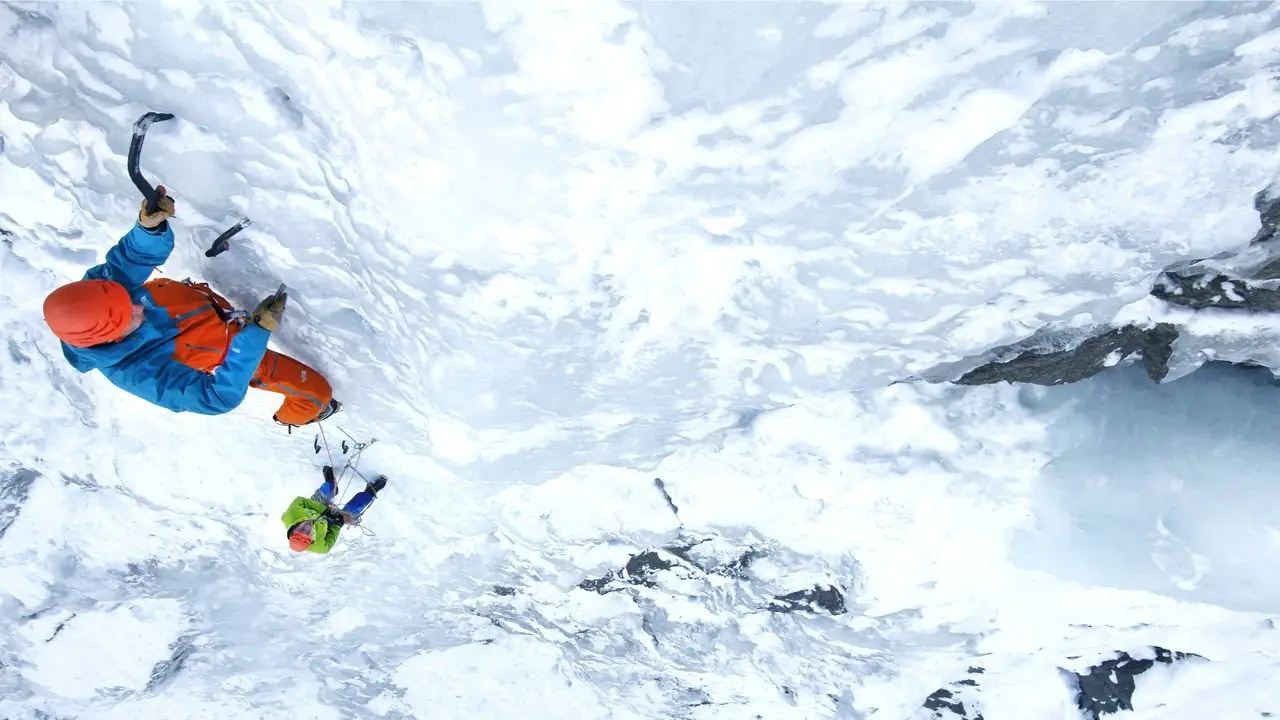
Stay warm with essential neck gaiters and balaclavas for cold protection. Review materials, warmth, and versatility for winter sports.
Essential Neck Gaiters and Balaclavas for Cold Protection
Understanding Neck Gaiters and Balaclavas What They Are and Why You Need Them
When you're out in the cold, whether it's skiing, snowboarding, hiking, or just enjoying a brisk winter walk, protecting your face and neck is absolutely crucial. That's where neck gaiters and balaclavas come in. These aren't just fashion accessories; they're essential pieces of gear designed to keep you warm, comfortable, and safe from the elements. A neck gaiter is essentially a tube of fabric that you pull over your head and wear around your neck. It can be pulled up over your mouth, nose, and even ears for extra coverage. Balaclavas, on the other hand, offer more comprehensive coverage, typically covering your entire head, neck, and often part of your face, with openings for your eyes and sometimes your mouth. Think of them as a second skin for your head and neck, providing an invaluable barrier against biting winds, freezing temperatures, and even harsh sun reflecting off snow.
Why do you need them? Well, your neck and head are areas where a lot of heat can escape from your body. Blood vessels are close to the surface, and without proper insulation, you can lose a significant amount of warmth, leading to discomfort and even hypothermia in extreme conditions. Beyond just warmth, they protect your skin from windburn and frostbite, which can be painful and damaging. For activities like skiing or snowboarding, they also prevent snow from getting down your collar. For hikers, they can keep dust and debris out of your mouth and nose. In short, they are small, lightweight, and incredibly effective tools for enhancing your outdoor experience in cold weather.
Key Materials and Their Warmth Properties Exploring Fabric Choices for Neck Gaiters and Balaclavas
The effectiveness of a neck gaiter or balaclava largely depends on the material it's made from. Different fabrics offer varying levels of warmth, breathability, and moisture-wicking capabilities. Understanding these differences will help you choose the best option for your specific needs.
Merino Wool Neck Gaiters and Balaclavas
Merino wool is a natural fiber renowned for its exceptional warmth-to-weight ratio and incredible softness. Unlike traditional wool, merino is fine and doesn't itch, making it comfortable against the skin. It's naturally breathable, meaning it allows moisture vapor to escape, preventing you from feeling clammy. Crucially, merino wool retains its insulating properties even when wet, which is a huge advantage in snowy or damp conditions. It's also naturally odor-resistant, so you can wear it for multiple days without it smelling. This makes it an excellent choice for multi-day trips or for those who prefer natural fibers. However, merino can be more expensive and might not be as durable as some synthetic options.
Synthetic Fleece Neck Gaiters and Balaclavas
Fleece, typically made from polyester, is another popular choice. It's incredibly soft, warm, and relatively inexpensive. Fleece is excellent at trapping air, providing good insulation. It's also quick-drying, which is a big plus if you're sweating or if it gets wet from snow. However, fleece doesn't handle moisture as well as merino wool when it comes to odor retention, and it can feel clammy if you're sweating heavily. It's a great option for general cold weather use and for those on a budget.
Polyester and Blended Fabric Neck Gaiters and Balaclavas
Many neck gaiters and balaclavas are made from polyester or blends of polyester with other synthetic fibers like spandex or nylon. These materials offer good moisture-wicking properties, are quick-drying, and are often more durable and stretchy than natural fibers. They are also generally more affordable. Some synthetic fabrics are treated with antimicrobial finishes to help with odor control. These are often the go-to for high-output activities where sweat management is key.
Windproof and Water-Resistant Neck Gaiters and Balaclavas
For extreme conditions, some neck gaiters and balaclavas incorporate windproof membranes (like Gore-Tex Windstopper) or water-resistant coatings. These additions significantly enhance protection against harsh winds and light precipitation, making them ideal for exposed environments or activities like snowmobiling or high-altitude mountaineering. While they offer superior protection, they might be less breathable than their non-treated counterparts.
Versatility and Usage Scenarios How to Wear and Utilize Neck Gaiters and Balaclavas
One of the greatest strengths of neck gaiters and balaclavas is their versatility. They can be worn in numerous ways to adapt to changing conditions and activity levels.
Neck Gaiter Versatility
- Neck Warmer: The most common way to wear it, providing warmth around your neck and preventing cold air from entering your jacket.
- Face Mask: Pull it up over your nose and mouth for protection against wind, cold, and sun. Great for skiing or windy hikes.
- Headband: Fold it down and wear it as a headband to keep your ears warm or manage sweat.
- Beanie: Twist one end and pull it over your head for a makeshift beanie.
- Dust Mask: In dry, dusty environments, it can keep particles out of your airways.
Balaclava Versatility
- Full Face Coverage: Ideal for extreme cold, covering your entire head, neck, and face, leaving only your eyes exposed.
- Open Face: Pull the lower part down to expose your mouth and nose when you need more ventilation or to communicate easily.
- Neck Warmer: Roll it down to just cover your neck, similar to a gaiter.
- Under Helmet: Many balaclavas are designed to be thin enough to wear comfortably under a helmet, providing an extra layer of warmth without bulk.
Consider the activity you'll be doing. For high-output activities like cross-country skiing or trail running, you'll want something breathable that wicks moisture effectively. For static activities or extreme cold, maximum insulation is key. The ability to adjust your coverage on the fly is a huge advantage, allowing you to regulate your temperature without having to stop and add or remove layers.
Top Product Recommendations and Detailed Comparisons Finding Your Perfect Cold Weather Companion
Let's dive into some specific product recommendations, comparing their features, ideal use cases, and approximate pricing. Remember, prices can vary based on retailers and sales.
1. Buff Original EcoStretch Neck Gaiter
- Material: 95% Recycled Polyester, 5% Elastane
- Key Features: Seamless construction, 4-way stretch, UPF 50 sun protection, moisture-wicking, quick-drying.
- Ideal Use: Highly versatile for a wide range of activities in mild to moderate cold. Excellent for hiking, running, cycling, and general outdoor use. Its lightweight nature makes it perfect for layering or when you need something that can be easily stashed away.
- Pros: Extremely versatile, comfortable, good breathability, eco-friendly materials, wide range of colors/patterns.
- Cons: Not designed for extreme cold; offers less insulation than fleece or wool options.
- Approximate Price: $20 - $25 USD
- Comparison: This is your go-to everyday neck gaiter. It's not the warmest, but its adaptability and comfort are unmatched. It's a great entry-level option that many experienced outdoor enthusiasts still rely on for its sheer utility.
2. Smartwool Merino 250 Neck Gaiter
- Material: 100% Merino Wool (250g/m² weight)
- Key Features: Midweight merino wool for excellent warmth, natural odor resistance, moisture management, soft next-to-skin feel.
- Ideal Use: Cold weather hiking, skiing, snowboarding, and general winter outdoor activities where natural warmth and odor control are priorities. The 250g/m² weight provides substantial warmth without being overly bulky.
- Pros: Superior warmth, excellent breathability, naturally odor-resistant, comfortable even when damp, sustainable material.
- Cons: More expensive than synthetic options, requires more careful washing (though modern merino is quite durable).
- Approximate Price: $30 - $35 USD
- Comparison: If you prioritize natural fibers, warmth, and multi-day use without odor, the Smartwool Merino 250 is a top contender. It's a significant step up in warmth from the Buff Original.
3. Outdoor Research Tundra Balaclava
- Material: Polartec Power Stretch (polyester/spandex blend)
- Key Features: Four-way stretch for a snug fit, highly breathable, moisture-wicking, flat-seam construction to prevent chafing, hinged construction for versatility.
- Ideal Use: Skiing, snowboarding, mountaineering, and other cold-weather activities where full head and neck coverage is needed. The hinged design allows you to easily pull down the face portion without removing the entire balaclava.
- Pros: Excellent warmth-to-weight, very breathable for a balaclava, comfortable under helmets, versatile hinged design.
- Cons: Not windproof, might not be warm enough for extreme arctic conditions without additional layers.
- Approximate Price: $30 - $40 USD
- Comparison: This balaclava strikes a great balance between warmth, breathability, and versatility. It's a solid choice for active pursuits in cold weather where you need more coverage than a gaiter but still want good moisture management.
4. Seirus Innovation Balaclava with Neofleece
- Material: Neofleece (a combination of fleece and neoprene)
- Key Features: Windproof and water-resistant Neofleece face mask, comfortable fleece hood, contoured design for a good fit, often features breathing holes.
- Ideal Use: Very cold, windy conditions, snow sports, snowmobiling, ice fishing. When wind protection is your absolute top priority for your face.
- Pros: Excellent wind protection for the face, good warmth, durable.
- Cons: Less breathable than pure fleece or merino, can feel a bit stiff around the face, might be too warm for high-output activities in milder cold.
- Approximate Price: $35 - $50 USD
- Comparison: This is a specialized piece for truly harsh, windy conditions. If you're constantly battling biting winds, the Seirus Neofleece offers superior face protection compared to standard fleece or merino options.
5. Black Diamond MidWeight WoolTech Balaclava
- Material: Merino wool blend (often with nylon for durability)
- Key Features: Combines the warmth and odor resistance of merino with the durability of synthetic fibers, flat-seam construction, designed to fit under helmets.
- Ideal Use: Alpine climbing, backcountry skiing, mountaineering, and other demanding activities where a balance of warmth, breathability, and durability is essential.
- Pros: Excellent warmth, good moisture management, durable for a wool product, comfortable under helmets.
- Cons: Higher price point, might not be as soft as 100% merino.
- Approximate Price: $40 - $50 USD
- Comparison: This balaclava is for the serious adventurer. It takes the best qualities of merino and enhances them with synthetic durability, making it a reliable choice for challenging conditions where gear failure isn't an option.
Care and Maintenance Tips Extending the Life of Your Neck Gaiters and Balaclavas
Proper care will ensure your neck gaiters and balaclavas last for many seasons and continue to perform effectively. Always check the specific care instructions on the product's tag, as materials vary.
General Washing Guidelines
- Machine Wash Cold: Most neck gaiters and balaclavas can be machine washed on a gentle cycle with cold water.
- Mild Detergent: Use a mild, non-biological detergent. Avoid harsh chemicals, bleach, or fabric softeners, as these can damage the fibers and reduce performance, especially for merino wool or technical synthetics.
- Wash Separately or with Similar Colors: To prevent color bleeding or snagging.
- Air Dry: The best method for almost all materials. Lay flat or hang to dry away from direct heat. High heat from a dryer can damage elastic fibers, shrink wool, or melt synthetic materials.
- Avoid Ironing: Most of these materials are not meant to be ironed.
Specific Material Care
- Merino Wool: Be extra gentle. Some merino products can be tumble dried on low, but air drying is always safest. Avoid excessive agitation.
- Fleece: Can sometimes be tumble dried on low, but air drying is still recommended to preserve the loft and prevent pilling.
- Windproof/Water-Resistant Fabrics: Follow the manufacturer's instructions carefully. Some may require specific technical washes to maintain their DWR (Durable Water Repellent) coating.
Storage
Store your neck gaiters and balaclavas clean and dry in a cool, well-ventilated area. Avoid compressing them for long periods, especially fleece, as this can reduce their loft and insulating properties.
Choosing the Right Fit and Features Ensuring Comfort and Performance
Beyond material, fit and specific features play a huge role in how comfortable and effective your neck gaiter or balaclava will be.
Fit Considerations
- Snug but Not Tight: A good fit is snug enough to stay in place and prevent cold air from seeping in, but not so tight that it restricts breathing or feels uncomfortable.
- Under Helmet Compatibility: If you plan to wear it under a ski or climbing helmet, ensure it's thin enough to fit without adding bulk or creating pressure points. Many balaclavas are specifically designed with a low-profile fit for this purpose.
- Coverage: Consider how much coverage you need. A simple neck gaiter is great for mild conditions, but a full balaclava is better for extreme cold or high winds.
Feature Checklist
- Breathability: Crucial for high-output activities to prevent sweat buildup and clamminess. Look for moisture-wicking fabrics.
- Wind Protection: If you're in very windy environments, look for products with windproof membranes or denser weaves.
- Hinged Design: For balaclavas, a hinged design allows you to easily pull down the face mask portion without removing the entire head covering, offering quick ventilation.
- Flat Seams: Reduces chafing and irritation, especially important when worn for long periods or under other layers.
- Odor Resistance: Merino wool is naturally odor-resistant. Some synthetics have antimicrobial treatments. This is a big plus for multi-day trips.
- UPF Protection: If you're in sunny, high-altitude environments (like skiing), sun protection is important, even in winter. Some gaiters offer UPF ratings.
- Ventilation Holes: Some balaclavas have small laser-cut holes around the mouth and nose to improve breathability and prevent goggle fogging.
The Importance of Layering How Neck Gaiters and Balaclavas Fit into Your System
Think of neck gaiters and balaclavas as part of your overall layering system. They are often considered a crucial 'micro-layer' that provides targeted warmth and protection.
Base Layer for Your Head and Neck
Just like your base layer clothing, these items are designed to be worn directly against your skin. They manage moisture and provide initial warmth. In milder conditions, a neck gaiter might be all you need. In colder conditions, a balaclava acts as a comprehensive base layer for your head and neck.
Complementing Outer Layers
They work in conjunction with your jacket's collar and hood. A neck gaiter can seal the gap between your jacket and neck, preventing cold air from sneaking in. A balaclava provides a full seal, especially when worn under a helmet or a jacket hood, creating a warm microclimate around your head and face.
Adjusting to Conditions
The beauty of these items is their adaptability. As you warm up during activity, you can pull down a balaclava's face mask or slide a neck gaiter down to your neck. When the wind picks up or the temperature drops, you can quickly pull them back up for instant protection. This dynamic adjustability is key to maintaining optimal body temperature and comfort in fluctuating outdoor conditions.
By carefully considering the material, fit, and features, and understanding how they integrate into your overall layering strategy, you can select the perfect neck gaiter or balaclava to keep you warm, comfortable, and protected on all your cold-weather adventures. Don't underestimate these small but mighty pieces of gear; they can make a huge difference in your outdoor enjoyment.
:max_bytes(150000):strip_icc()/277019-baked-pork-chops-with-cream-of-mushroom-soup-DDMFS-beauty-4x3-BG-7505-5762b731cf30447d9cbbbbbf387beafa.jpg)