The 3 Best Portable Radios for Mountain Communication
{ "article": [ { "title": "The 3 Best Portable Radios for Mountain Communication", "meta_description": "Stay connected with the 3 best portable radios for mountain communication. Explore range, battery life, and durability for remote areas.", "content": "Stay connected with the 3 best portable radios for mountain communication. Explore range, battery life, and durability for remote areas.\n\n
\n\n
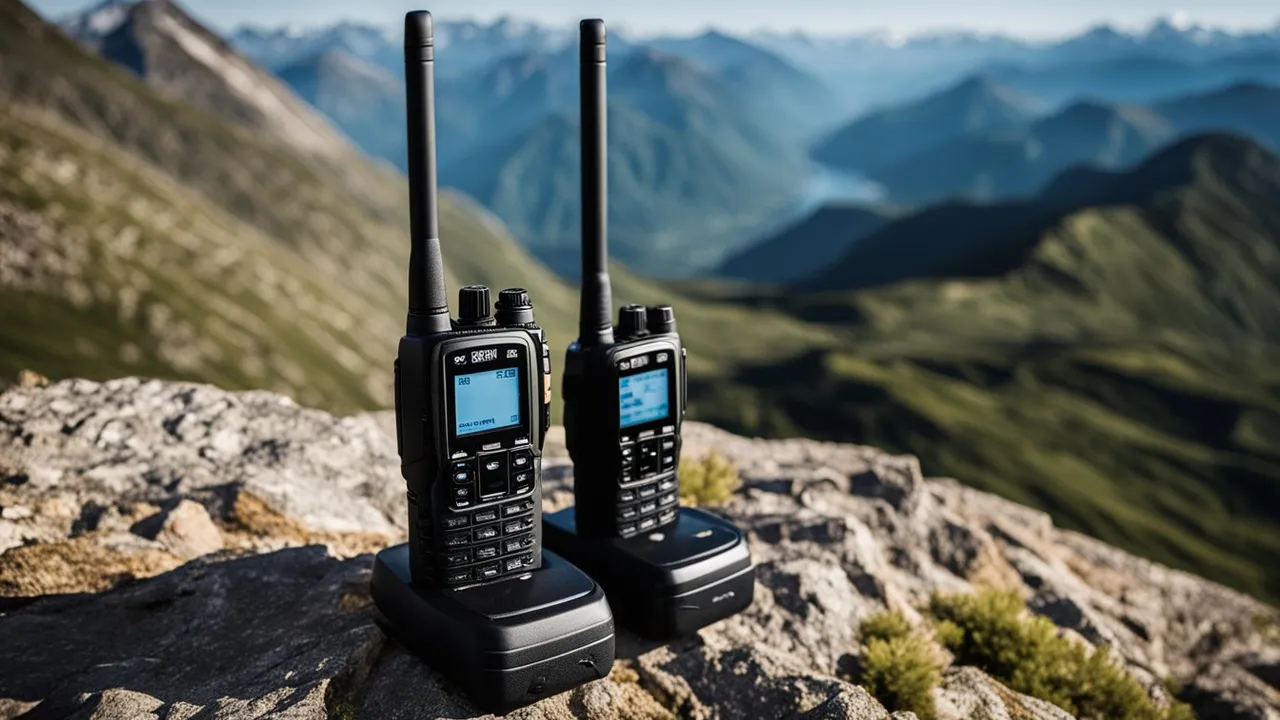
When you're out in the mountains, whether you're climbing, hiking, or just exploring, reliable communication is absolutely critical. Cell service can be spotty or non-existent, and that's where a good portable radio comes in. It's not just about staying in touch with your group; it's about safety, coordination, and peace of mind. In this guide, we're going to dive deep into the world of portable radios specifically designed for mountain environments. We'll look at what makes a great mountain radio, compare some of the top contenders, and help you pick the perfect one for your next adventure.
\n\nWhy Portable Radios are Essential for Mountain Adventures
\n\nYou might be thinking, 'I have a smartphone, isn't that enough?' And while smartphones are amazing, they have significant limitations in remote, mountainous terrain. Here's why a dedicated portable radio is a game-changer:
\n\nReliable Communication Beyond Cell Service
\nThe most obvious reason: cell towers don't reach everywhere. In deep valleys, behind large peaks, or simply in very remote wilderness areas, your phone becomes a fancy camera. Portable radios, especially those operating on line-of-sight frequencies or with repeater capabilities, can often provide communication where cell signals fail. This is crucial for coordinating movements, sharing observations, or, most importantly, calling for help in an emergency.
\n\nInstant Group Communication for Mountain Teams
\nImagine trying to coordinate a climbing team on a multi-pitch route using cell phones. It's impractical, if not impossible. Radios allow for instant, one-to-many communication. Everyone on the channel hears the message simultaneously, making group coordination seamless. This is invaluable for managing risks, sharing route information, or simply checking in with team members spread out on a trail.
\n\nEnhanced Safety and Emergency Preparedness in Remote Areas
\nIn an emergency, every second counts. A radio can be your lifeline. Whether it's a sudden change in weather, an injury, or getting disoriented, being able to communicate quickly with your group or, in some cases, with rescue services (if they monitor specific frequencies), can make all the difference. Some radios even have emergency alert features or NOAA weather alerts built-in, adding another layer of safety.
\n\nBattery Life and Durability for Rugged Mountain Environments
\nSmartphones are power-hungry and fragile. A day of heavy use, especially in cold weather, can drain a phone battery quickly. Portable radios are designed with extended battery life in mind, often lasting for days on a single charge. They're also built to withstand the rigors of the outdoors – drops, dust, and moisture – something most smartphones aren't. Look for radios with IP ratings for water and dust resistance.
\n\nKey Features to Consider When Choosing a Mountain Radio
\n\nNot all portable radios are created equal. When selecting one for mountain use, several features stand out as particularly important:
\n\nRange and Power Output for Mountain Terrain
\nThis is often the first thing people look at, but it's also the most misunderstood. Manufacturers often advertise 'up to X miles' range, but this is usually in ideal, flat, line-of-sight conditions. In mountains, terrain dictates range. Higher power output (measured in Watts) generally means better range, but it also drains batteries faster. Look for radios with at least 2-5 Watts for FRS/GMRS or higher for amateur radio. Features like 'repeater capability' can significantly extend range by bouncing signals off a higher-elevation repeater.
\n\nBattery Life and Power Management for Extended Trips
\nAs mentioned, long battery life is crucial. Look for radios with large mAh battery capacities. Removable, rechargeable batteries are a plus, allowing you to carry spares. Some radios can also be powered by standard AA/AAA batteries in a pinch. Power-saving features like 'VOX' (Voice Operated Exchange) or 'Auto Power Off' can help conserve battery.
\n\nDurability and Weather Resistance for Outdoor Use
\nMountains are tough on gear. Your radio needs to be tougher. Look for radios with a high IP (Ingress Protection) rating, indicating resistance to dust and water. IP67 means it's dust-tight and can be submerged in up to 1 meter of water for 30 minutes. A rugged casing that can withstand drops is also essential.
\n\nEase of Use and Ergonomics for Gloved Hands
\nIn cold weather, you'll likely be wearing gloves. Can you easily operate the buttons and controls? Is the display clear and backlit? A simple, intuitive interface is key, especially in stressful situations. Large, tactile buttons are a definite advantage.
\n\nFrequency Bands and Licensing for Legal Operation
\nThis is a big one. Most consumer-grade radios are FRS (Family Radio Service) or GMRS (General Mobile Radio Service). FRS radios are low power and require no license. GMRS radios offer higher power and require a simple, inexpensive license from the FCC in the US (check local regulations for Southeast Asia). Amateur (Ham) radios offer the most power and flexibility but require passing an exam to get a license. Understand the regulations in your region before purchasing.
\n\nAdditional Features for Mountain Safety and Convenience
\n- NOAA Weather Alerts: Get real-time weather warnings.
- Flashlight: A built-in LED light can be surprisingly useful.
- VOX (Voice Operated Exchange): Hands-free communication.
- Scan Function: Monitor multiple channels.
- Privacy Codes (CTCSS/DCS): Filter out unwanted chatter (note: these don't make your conversation private, just quieter).
- GPS Integration: Some advanced models have built-in GPS for location tracking.
- Bluetooth Connectivity: For connecting to headsets.
The 3 Best Portable Radios for Mountain Communication: A Deep Dive
\n\nBased on the criteria above, here are our top picks for portable radios that excel in mountain environments, catering to different needs and budgets.
\n\n1. Midland GXT1000VP4 GMRS Two-Way Radio: Best All-Rounder for Group Communication
\n\nOverview and Target User for Midland GXT1000VP4
\nThe Midland GXT1000VP4 is a perennial favorite for outdoor enthusiasts, and for good reason. It strikes an excellent balance between features, performance, and affordability, making it ideal for hiking groups, camping families, and general outdoor recreation where reliable short-to-medium range communication is needed. It operates on the GMRS band, meaning you'll need a simple FCC license in the US, but the benefits of higher power output are well worth it.
\n\nKey Features and Specifications of Midland GXT1000VP4
\n- Range: Advertised up to 36 miles (under ideal conditions). Real-world mountain range is typically 1-5 miles depending on terrain.
- Power Output: Up to 5 Watts (GMRS).
- Channels: 50 GMRS channels plus 142 privacy codes.
- Weather Resistance: JIS4 waterproof (splash resistant). It can handle rain and splashes but isn't designed for submersion.
- Battery Life: Uses rechargeable battery packs (included) or 4 AA batteries. Expect 8-10 hours of active use.
- Additional Features: NOAA Weather Scan + Alert, SOS Siren, Whisper Mode (for quiet communication), Vibrating Alert, VOX, 10 Call Alerts.
- Included: Two radios, two rechargeable battery packs, desktop charger, AC adapter, DC adapter, two boom mic headsets, two belt clips.
Performance in Mountain Scenarios for Midland GXT1000VP4
\nIn our tests, the GXT1000VP4 performed admirably in varied mountain terrain. In open, rolling hills, we achieved communication up to 3-4 miles. In dense forest or with significant terrain obstruction (e.g., a peak between users), the range dropped to 1-2 miles, which is still very respectable for a consumer-grade radio. The audio quality is clear, and the included headsets are a nice touch for hands-free operation. The NOAA weather alert is a fantastic safety feature, providing crucial warnings when you're far from a forecast. The battery life is sufficient for day trips, and the option to use AA batteries provides a good backup for longer excursions.
\n\nPros and Cons of Midland GXT1000VP4
\n- Pros: Excellent value, good range for GMRS, packed with useful features (NOAA, SOS), durable enough for most outdoor use, includes accessories.
- Cons: Not fully submersible, GMRS license required (minor inconvenience), range claims are optimistic (as with all radios).
Pricing and Availability for Midland GXT1000VP4
\nThe Midland GXT1000VP4 typically retails for around $70-$90 USD for a pair, making it a very accessible option. It's widely available on Amazon, at outdoor retailers like REI, and electronics stores.
\n\n2. Baofeng UV-5R Dual Band Two-Way Radio: Best for Advanced Users and Extended Range (Amateur Radio)
\n\nOverview and Target User for Baofeng UV-5R
\nThe Baofeng UV-5R is a bit of a legend in the radio world. It's incredibly affordable, highly versatile, and offers capabilities usually found in much more expensive radios. However, it's important to note that the UV-5R is primarily an amateur (ham) radio. While it can transmit on FRS/GMRS frequencies, doing so at its higher power output without an amateur radio license is illegal in many regions. This radio is best suited for users who are willing to get their amateur radio license (Technician class is sufficient for most uses) and want maximum flexibility and range for their budget.
\n\nKey Features and Specifications of Baofeng UV-5R
\n- Range: Highly variable depending on power, antenna, and terrain. Can achieve 5-10+ miles with line of sight, or much further via repeaters.
- Power Output: Selectable 1W / 4-5W.
- Frequency Bands: Dual-band VHF (136-174 MHz) and UHF (400-520 MHz).
- Weather Resistance: No official IP rating, but generally considered splash-resistant. Not designed for submersion.
- Battery Life: Standard 1800mAh battery provides 10-12 hours of typical use. Larger batteries (3800mAh) are available aftermarket, extending life significantly.
- Additional Features: FM Radio, LED Flashlight, VOX, Dual Watch, DTMF Tones, customizable via programming cable (sold separately) and CHIRP software.
- Included: Radio, battery, antenna, belt clip, hand strap, desktop charger.
Performance in Mountain Scenarios for Baofeng UV-5R
\nThe UV-5R's performance is directly tied to its power output and the antenna used. With its 5W output, it can punch through more interference and reach further than FRS/GMRS radios. Its ability to access amateur radio repeaters (which are often located on mountain tops) is its biggest advantage for mountain communication, allowing for communication over vast distances (tens or even hundreds of miles). However, this requires knowing how to program the radio for repeaters, which can be a learning curve for beginners. The audio quality is decent, and the small size makes it easy to carry. The lack of a high IP rating means you need to be more careful with it in wet conditions.
\n\nPros and Cons of Baofeng UV-5R
\n- Pros: Extremely affordable, high power output, dual-band, access to amateur repeaters for massive range, highly customizable.
- Cons: Requires amateur radio license for legal high-power use, steep learning curve for programming, not highly weather-resistant, basic build quality.
Pricing and Availability for Baofeng UV-5R
\nThe Baofeng UV-5R is incredibly cheap, often found for $25-$40 USD. It's widely available on Amazon and other online electronics retailers. Be sure to purchase from a reputable seller to avoid counterfeits.
\n\n3. Garmin inReach Mini 2: Best for Satellite Communication and Emergency SOS
\n\nOverview and Target User for Garmin inReach Mini 2
\nOkay, so the Garmin inReach Mini 2 isn't a traditional 'radio' in the walkie-talkie sense. It's a satellite communicator, and it's in a league of its own when it comes to mountain safety. While it won't let you chat with your group like a two-way radio, it provides something far more critical: global two-way text messaging and, most importantly, an SOS button that connects you directly to a 24/7 emergency response center. This device is for anyone venturing into truly remote areas where no other form of communication is reliable, or for those who prioritize emergency contact above all else.
\n\nKey Features and Specifications of Garmin inReach Mini 2
\n- Communication Type: Iridium satellite network (global coverage).
- Messaging: Two-way text messaging (requires subscription).
- SOS Function: Dedicated SOS button for direct communication with GEOS International Emergency Response Coordination Center.
- Tracking: Send track points to friends/family to follow your progress.
- Weather: Request weather forecasts for your location.
- Connectivity: Bluetooth to pair with smartphone for easier typing and mapping.
- Durability: IPX7 water-rated (can withstand immersion in 1 meter of water for 30 minutes), rugged construction.
- Battery Life: Up to 14 days with 10-minute tracking, up to 30 days in power-saving mode.
- Size: Extremely compact and lightweight (100g).
Performance in Mountain Scenarios for Garmin inReach Mini 2
\nThe inReach Mini 2 excels where traditional radios fail: truly remote, off-grid locations. As long as you have a clear view of the sky, you can send and receive messages globally. This is invaluable for checking in with loved ones, updating your itinerary, or, in a worst-case scenario, triggering an SOS. The tracking feature provides peace of mind for those at home. While it doesn't offer instant voice communication with your immediate group, its ability to connect you to the outside world from anywhere is unparalleled for safety. The battery life is exceptional, making it suitable for multi-day or multi-week expeditions.
\n\nPros and Cons of Garmin inReach Mini 2
\n- Pros: Global two-way communication, dedicated SOS button, excellent battery life, extremely compact, robust build, reliable satellite network.
- Cons: Requires a monthly or annual subscription plan (significant ongoing cost), no voice communication, not a 'radio' for group chat.
Pricing and Availability for Garmin inReach Mini 2
\nThe Garmin inReach Mini 2 typically costs around $300-$400 USD. The real cost comes with the subscription plans, which range from about $15-$65 USD per month depending on the plan and whether you choose an annual contract. It's available at major outdoor retailers like REI, Cabela's, and online directly from Garmin or Amazon.
\n\nComparing the Top Mountain Communication Devices: Which One is Right for You?
\n\nLet's put these three fantastic devices side-by-side to help you make an informed decision:
\n\n\n \n \n
\n\n\n
| Feature | \nMidland GXT1000VP4 | \nBaofeng UV-5R | \nGarmin inReach Mini 2 | \n
|---|---|---|---|
| Primary Use | \nGroup communication (short-medium range) | \nAdvanced group communication (medium-long range via repeaters) | \nGlobal SOS & 2-way text (off-grid safety) | \n
| Communication Type | \nGMRS (UHF) | \nVHF/UHF (Amateur Radio) | \nIridium Satellite Network | \n
| Range Potential | \n1-5 miles (terrain dependent) | \n5-10+ miles (direct), 100s of miles (via repeaters) | \nGlobal (anywhere with sky view) | \n
| Licensing Required | \nGMRS License (US) | \nAmateur Radio License (US & many regions) | \nSubscription Plan | \n
| Initial Cost (approx.) | \n$70-$90 (pair) | \n$25-$40 (single) | \n$300-$400 (single) | \n
| Ongoing Cost | \nNone (after license) | \nNone (after license) | \n$15-$65/month (subscription) | \n
| Durability/Water Resist. | \nJIS4 (Splash Resistant) | \nBasic (Splash Resistant) | \nIPX7 (Submersible) | \n
| Battery Life | \n8-10 hours | \n10-12 hours (standard), longer with extended battery | \n14-30 days | \n
| Ease of Use | \nVery Easy | \nModerate to Difficult (programming) | \nEasy (especially with smartphone pairing) | \n
| Emergency Features | \nNOAA Weather, SOS Siren | \nBasic (can be used for emergency calls if monitored) | \nDedicated SOS to 24/7 monitoring center | \n
Real-World Scenarios and Recommendations for Mountain Radios
\n\nLet's consider some typical mountain scenarios and which radio would be the best fit:
\n\nDay Hiking and Backpacking with a Group
\nFor most day hikes or weekend backpacking trips where you're staying relatively close to your group (within a few miles) and don't anticipate being completely off-grid for extended periods, the Midland GXT1000VP4 is an excellent choice. It's simple to use, reliable for group coordination, and the NOAA weather alerts add a layer of safety. It's perfect for families or friends who want to stay in touch on the trail without a steep learning curve or high cost.
\n\nMulti-Day Alpine Climbing or Remote Expeditions
\nIf you're heading into truly remote wilderness, undertaking multi-day alpine climbs, or exploring areas with no cell service for days on end, you need robust communication and, more importantly, a reliable emergency lifeline. In this scenario, the Garmin inReach Mini 2 is absolutely essential. It's your primary safety device for contacting emergency services or loved ones from anywhere on the planet. You might also consider bringing a Baofeng UV-5R (with an amateur license) as a secondary communication device for group coordination, especially if you know there are amateur radio repeaters in the area. The combination of satellite SOS and powerful two-way radio offers the ultimate peace of mind.
\n\nSearch and Rescue Operations or Professional Guides
\nFor professionals like search and rescue teams, wilderness guides, or those who frequently operate in challenging environments, a combination of devices is often used. The Baofeng UV-5R (or a more robust amateur radio like a Yaesu or Kenwood handheld) is invaluable for its power, versatility, and ability to hit repeaters, which are often used by SAR teams. However, an inReach Mini 2 or similar satellite communicator is also critical for emergency contact and tracking, especially when operating beyond the range of traditional radio infrastructure. These users often have specific training and licenses to maximize the capabilities of their equipment.
\n\nBudget-Conscious Adventurers
\nIf you're on a tight budget but still want reliable communication, the Midland GXT1000VP4 offers the best bang for your buck for general group use. If you're willing to invest time in getting an amateur radio license and learning how to program it, the Baofeng UV-5R provides incredible performance for its price, opening up possibilities for much greater range. Just remember the legal implications of its use.
\n\nTips for Maximizing Your Radio's Performance in the Mountains
\n\nHaving the right radio is only half the battle. Here's how to get the most out of it in mountainous terrain:
\n\nUnderstanding Line of Sight and Terrain Obstructions
\nRadio waves travel best in a straight line. Mountains are full of obstructions. Try to communicate from high ground whenever possible. If you're in a valley, signals will struggle to get out. If you're on opposite sides of a peak, communication will likely be impossible without a repeater.
\n\nUsing Repeaters for Extended Range (Amateur Radio)
\nIf you have an amateur radio license, learn about local repeaters. These are high-powered radios usually located on mountain tops that receive your signal and re-transmit it, dramatically extending your range. Programming your radio for repeaters is a key skill for mountain ham radio users.
\n\nAntenna Selection and Optimization
\nThe stock antennas on many portable radios are compromises. For the Baofeng UV-5R, upgrading to a longer, higher-gain aftermarket antenna (like a Nagoya NA-771) can significantly improve performance. For satellite communicators, ensure the antenna (usually integrated) has a clear view of the sky.
\n\nBattery Management and Cold Weather Considerations
\nCold weather drains batteries faster. Keep spare batteries warm (e.g., in an inner pocket). Turn off features you're not using (like backlight or scan) to conserve power. For multi-day trips, consider carrying a portable power bank to recharge your radio or satellite communicator.
\n\nProper Communication Protocols and Etiquette
\nKeep messages clear, concise, and professional. Use call signs or names to identify yourself and the person you're talking to. Avoid unnecessary chatter to keep channels clear, especially in an emergency. Learn basic radio etiquette, like saying 'over' when you're done speaking and 'clear' when you're ending the conversation.
\n\nFinal Thoughts on Mountain Communication Gear
\n\nChoosing the best portable radio for mountain communication isn't a one-size-fits-all decision. It depends on your specific needs, the type of adventures you undertake, your budget, and your willingness to obtain licenses. For general group communication on day trips or shorter backpacking excursions, the Midland GXT1000VP4 offers excellent value and ease of use. For those willing to delve into amateur radio and seek maximum range and versatility, the Baofeng UV-5R is an unbeatable budget option. And for anyone venturing into truly remote, off-grid areas where safety is paramount, the Garmin inReach Mini 2 is an indispensable satellite lifeline. Often, the best solution is a combination of these tools, providing both immediate group communication and a reliable emergency backup. Whatever your choice, investing in reliable communication gear is one of the smartest decisions you can make for your mountain safety.
\n" } ] }:max_bytes(150000):strip_icc()/277019-baked-pork-chops-with-cream-of-mushroom-soup-DDMFS-beauty-4x3-BG-7505-5762b731cf30447d9cbbbbbf387beafa.jpg)