The 5 Best Beginner Surfboards for Learning to Ride
Start your surfing journey with the 5 best beginner surfboards. Review stability, buoyancy, and durability for easy learning.
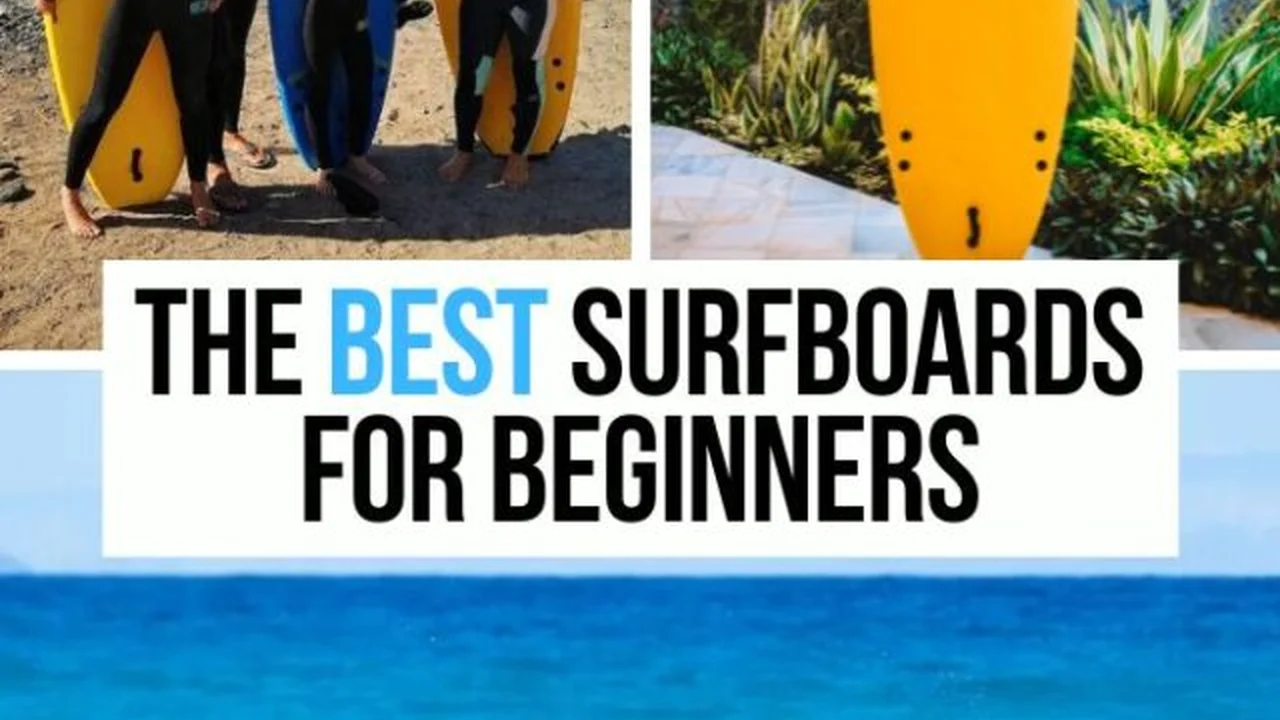
Start your surfing journey with the 5 best beginner surfboards. Review stability, buoyancy, and durability for easy learning.
The 5 Best Beginner Surfboards for Learning to Ride
So, you've decided to dive into the exhilarating world of surfing! That's awesome! But before you can catch those epic waves, you need the right board. Choosing your first surfboard can feel a bit overwhelming with all the different shapes, sizes, and materials out there. Don't worry, we're here to break it down for you. For beginners, the key is stability, buoyancy, and durability. You want a board that's forgiving, easy to paddle, and can take a few bumps and bruises as you learn the ropes. Forget those sleek, short performance boards for now; we're looking for something that will help you stand up and ride your first waves with confidence.
Why a Beginner Specific Surfboard Matters for Your Learning Curve
You might be tempted to grab a cool-looking shortboard, but trust us, that's a recipe for frustration. Beginner surfboards are designed with specific characteristics that make the learning process much smoother and more enjoyable. They are generally longer, wider, and thicker than advanced boards. This increased volume provides superior buoyancy, making it easier to paddle and catch waves. The added width contributes to stability, helping you maintain balance as you pop up and ride. Durability is also a huge factor; you're going to fall, and your board is going to get dinged. A robust beginner board can withstand the inevitable knocks and bumps without needing constant repairs.
Key Features to Look for in Your First Surfboard: Stability, Buoyancy, Durability
When you're shopping for your first board, keep these three pillars in mind:
Stability: Your Foundation for Standing Up
A stable board is crucial for beginners. It allows you to comfortably paddle, sit, and most importantly, stand up. Look for boards with a wider nose and tail, and a generally wider outline. This provides a larger platform for your feet and helps prevent the board from tipping over easily.
Buoyancy: Making Paddling and Wave Catching Easier
More volume equals more buoyancy. This means the board floats higher on the water, reducing drag and making paddling less strenuous. It also helps the board catch waves more easily, as it's less likely to sink under you. Foam boards, often called 'soft tops,' are excellent for buoyancy due to their construction.
Durability: Withstanding the Learning Process
As a beginner, your board will inevitably take some abuse. You'll drop it, it'll hit the sand, and you might even get tumbled by a wave. A durable board, especially a soft top, can handle these impacts without significant damage, saving you money and time on repairs.
Top 5 Beginner Surfboards: Our Recommendations for Easy Learning
Based on stability, buoyancy, durability, and overall user experience, here are our top 5 picks for beginner surfboards:
1. Catch Surf Odysea Log: The Ultimate Soft Top for Fun and Learning
The Catch Surf Odysea Log is practically legendary in the beginner surfing world, and for good reason. It's a soft top, meaning it has a foam core with a soft, durable deck and slick bottom. This makes it incredibly buoyant, stable, and safe. It comes in various lengths, but for beginners, we recommend something in the 7'0" to 9'0" range. The Log is known for its excellent wave-catching ability and forgiving nature. It's also super fun to ride even after you've progressed, making it a great long-term investment for small, playful waves.
- Pros: Extremely buoyant, very stable, highly durable, safe (soft fins), excellent wave catching, fun for all skill levels.
- Cons: Can feel a bit slow for advanced maneuvers, not ideal for steep waves.
- Ideal User: Absolute beginners, those looking for a fun, forgiving board for small waves.
- Price Range: Approximately $350 - $550 USD, depending on size and retailer.
- Where to Buy: Catch Surf official website, major surf shops like Evo, Backcountry, and local surf retailers.
2. Wavestorm 8' Classic Longboard: The Go-To Budget-Friendly Option
The Wavestorm 8' Classic Longboard is often considered the quintessential beginner surfboard, especially if you're on a budget. You'll see these everywhere at beginner surf spots. It's an 8-foot soft top, offering ample volume and stability. While it might not have the same performance feel as some higher-end soft tops, its affordability and durability make it an unbeatable choice for getting started. It's incredibly forgiving and can take a beating, which is exactly what you need when you're learning.
- Pros: Very affordable, highly durable, excellent stability and buoyancy, widely available, great for learning fundamentals.
- Cons: Less performance-oriented, can feel a bit generic, fins are often basic.
- Ideal User: Budget-conscious beginners, surf schools, anyone wanting a reliable first board without breaking the bank.
- Price Range: Approximately $200 - $300 USD.
- Where to Buy: Costco (seasonal), Amazon, Walmart, Dick's Sporting Goods, and other large retailers.
3. BIC Sport (now Tahe Outdoors) 7'9" Malibu: A Durable Hard-Top Alternative
If you're looking for something a step up from a full soft top but still want excellent durability and stability, the BIC Sport (now Tahe Outdoors) Malibu series is a fantastic choice. These boards feature a tough polyethylene outer shell over a foam core, making them incredibly ding-resistant. The 7'9" Malibu offers a great balance of maneuverability and stability for beginners. It paddles well and catches waves easily, providing a more traditional surfboard feel than a soft top, but with much greater durability than a standard fiberglass board.
- Pros: Very durable (ding-resistant), good stability and buoyancy, more traditional surfboard feel, excellent for progression.
- Cons: Heavier than soft tops, can still ding if hit hard enough, not as soft on impact as a full foamie.
- Ideal User: Beginners who want a more traditional feel but still prioritize durability, those looking to progress quickly.
- Price Range: Approximately $400 - $600 USD.
- Where to Buy: Specialized surf shops, outdoor sports retailers, Tahe Outdoors official website.
4. South Bay Board Co. 8' Verve Soft Top: Premium Soft Top Experience
The South Bay Board Co. Verve Soft Top offers a more premium soft top experience compared to the Wavestorm. While slightly more expensive, you get enhanced construction, better fin systems (often FCS compatible), and a more refined shape that aids in progression. The 8' Verve is incredibly stable and buoyant, making it a joy to paddle and catch waves on. It's built to last and provides a smooth, forgiving ride, perfect for building confidence and honing your skills.
- Pros: High-quality construction, excellent stability and buoyancy, durable, often comes with better fin setups, good for progression.
- Cons: Slightly higher price point than basic soft tops.
- Ideal User: Beginners willing to invest a bit more for a higher quality soft top, those who appreciate better fin options.
- Price Range: Approximately $350 - $450 USD.
- Where to Buy: South Bay Board Co. official website, Amazon, select surf retailers.
5. Liquid Shredder FSE 8'0" Soft Surfboard: Lightweight and Easy to Handle
The Liquid Shredder FSE (Fiberglass Stringer Epoxy) soft surfboard is another excellent option that blends the safety and buoyancy of a soft top with a bit more rigidity for improved performance. The fiberglass stringer adds stiffness, which can help with speed and turning as you start to link turns. The 8'0" size is perfect for beginners, offering plenty of stability and paddle power. It's also relatively lightweight, making it easier to carry to and from the beach.
- Pros: Good balance of stability and performance, durable, lightweight, easy to transport, good for progression.
- Cons: Can be slightly less forgiving than a full foamie on impact, price is mid-range.
- Ideal User: Beginners who want a board that will allow for a bit more performance as they improve, those who need a lighter board.
- Price Range: Approximately $300 - $400 USD.
- Where to Buy: Amazon, various online surf retailers, Liquid Shredder official website.
Choosing the Right Size: Your Height, Weight, and Local Waves
While we've recommended general sizes, the ideal length of your beginner surfboard also depends on your height, weight, and the type of waves you'll be surfing. Generally, taller and heavier individuals will benefit from longer boards (e.g., 8'0" to 9'0"), as they offer more buoyancy and stability. Lighter individuals might find a 7'0" to 7'6" board sufficient. If you're surfing small, gentle waves, a longer board will help you catch them more easily. If the waves are a bit steeper, a slightly shorter board might be more manageable once you get the hang of paddling.
Understanding Volume: The Hidden Key to Easy Surfing
Beyond length, width, and thickness, surfboard volume (measured in liters) is a critical factor for beginners. More volume means more floatation. For an adult beginner, aim for a board with at least 60-80 liters of volume, or even more. Soft tops naturally have high volume, which is why they are so effective for learning. Don't be afraid of a 'big' board; for learning, bigger is almost always better.
Soft Top vs. Hard Top: Which is Best for Your First Waves?
This is a common dilemma for new surfers. Let's break it down:
Soft Top Surfboards: Safety and Forgiveness First
Soft tops (like the Catch Surf Log or Wavestorm) are made with a foam core, a soft foam deck, and a slick plastic bottom. They are incredibly buoyant, stable, and most importantly, safe. If the board hits you, it's much less likely to cause injury compared to a hard board. They are also very durable and can withstand impacts without dinging. This makes them perfect for learning in crowded beginner spots and for those inevitable wipeouts. They are also generally more affordable.
Hard Top Surfboards (Epoxy/Fiberglass): Progression and Performance
Traditional hard top surfboards are made from foam blanks covered in fiberglass and resin. While they offer better performance, speed, and maneuverability for experienced surfers, they are less forgiving for beginners. They are less buoyant, harder to paddle, and can be easily dinged. They also pose a higher risk of injury if they hit you. However, some durable hard tops (like the Tahe Malibu) offer a good compromise for beginners who want to transition to a more traditional feel without sacrificing too much durability.
Our Recommendation: For your very first board, a soft top is almost always the best choice. It prioritizes safety, makes learning easier, and builds confidence quickly. You can always upgrade to a hard top once you've mastered the basics.
Essential Accessories for Your Beginner Surfboard: Leash, Fins, Wax
Don't forget these crucial items to complete your setup:
Surfboard Leash: Keeping Your Board Close
A leash is non-negotiable. It attaches your ankle to the board, preventing it from washing away after a wipeout. This is crucial for safety (you don't want your board hitting someone else) and convenience (you don't want to swim all the way to shore to retrieve your board). Make sure the leash is roughly the same length as your board.
Fins: Guiding Your Ride
Most beginner boards come with fins. Soft tops usually have soft, flexible fins for safety. Hard tops will have plastic or fiberglass fins. Fins provide stability and help you steer the board. Ensure they are properly installed before you hit the water.
Surf Wax: Grip for Your Feet
Surf wax provides traction on the deck of your board, preventing you from slipping off. There are different types of wax for different water temperatures (cold, cool, warm, tropical). Make sure you get the right one for your local conditions. Apply it in a criss-cross pattern for optimal grip.
Where to Buy Your First Surfboard: Online vs. Local Surf Shop
You have a few options when it comes to purchasing your first board:
Online Retailers: Convenience and Selection
Websites like Amazon, Evo, Backcountry, and the official brand websites (Catch Surf, South Bay Board Co.) offer a wide selection and often competitive prices. You can easily compare models and read reviews. However, you can't physically inspect the board or get personalized advice.
Local Surf Shops: Expert Advice and Community
Visiting a local surf shop is highly recommended for beginners. The staff are usually experienced surfers who can offer personalized advice based on your size, skill level, and local wave conditions. You can also physically see and feel the boards, and they often have rental options if you want to try before you buy. Plus, you're supporting a local business and becoming part of the surf community.
Learning to Surf: Beyond the Board
Having the right board is a huge step, but remember that learning to surf also involves:
Patience and Persistence: The Key to Progress
Surfing takes time and practice. You'll have frustrating days, but stick with it! Every wave you catch, no matter how small, is a victory.
Surf Etiquette: Respecting the Lineup
Learn the unwritten rules of the lineup, such as who has priority on a wave. This ensures a safe and enjoyable experience for everyone.
Safety First: Know Your Limits and Conditions
Always check the surf forecast, understand rip currents, and never surf in conditions beyond your ability. Consider taking a lesson from a certified instructor.
With the right beginner surfboard and a positive attitude, you'll be riding waves and experiencing the incredible joy of surfing in no time. See you in the water!
:max_bytes(150000):strip_icc()/277019-baked-pork-chops-with-cream-of-mushroom-soup-DDMFS-beauty-4x3-BG-7505-5762b731cf30447d9cbbbbbf387beafa.jpg)