Top 5 Best Tents for Backpacking Adventures
Discover the 5 best lightweight and durable tents perfect for your next backpacking trip. Compare features, weight, and price for optimal outdoor comfort.
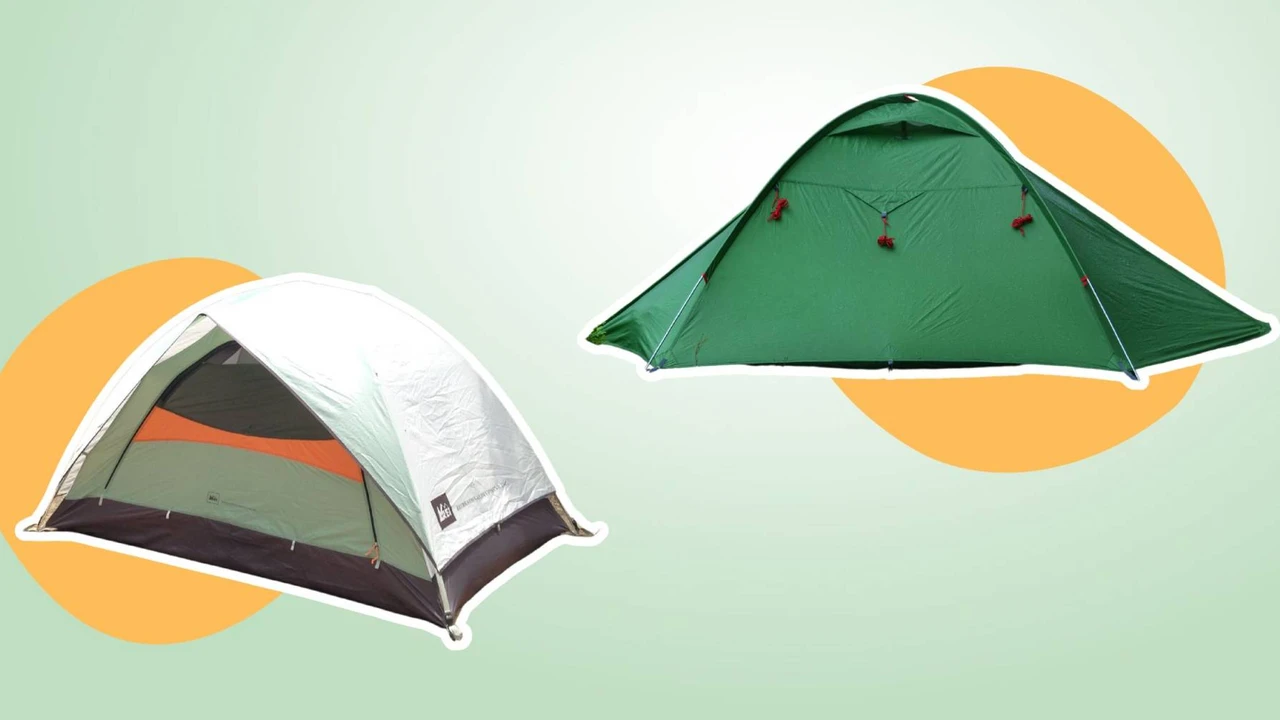
Discover the 5 best lightweight and durable tents perfect for your next backpacking trip. Compare features, weight, and price for optimal outdoor comfort.
Top 5 Best Tents for Backpacking Adventures
Why a Great Backpacking Tent is Your Best Friend on the Trail
Hey there, fellow adventurers! Ever found yourself miles deep into the wilderness, the sun dipping below the horizon, and all you can think about is a cozy, reliable shelter? That's where a top-notch backpacking tent comes in. It's not just a piece of gear; it's your portable home, your sanctuary from the elements, and your ticket to a good night's sleep under the stars. Choosing the right tent can make or break your backpacking experience, especially when you're counting every ounce and battling unpredictable weather. We're talking about finding that sweet spot between ultralight portability, bombproof durability, and enough comfort to recharge for another day on the trail. So, let's dive into what makes a backpacking tent truly great and explore some of the best options out there.Key Features to Consider When Choosing Your Backpacking Tent
Before we get to the good stuff – the actual tents – let's break down what you should be looking for. Think of these as your tent-buying checklist. Getting these right means you'll be happy with your choice for many adventures to come.Weight and Packability: Every Ounce Counts for Backpacking Tents
This is probably the first thing on every backpacker's mind. When you're carrying everything on your back, every gram matters. Ultralight tents are fantastic for long-distance treks where minimizing load is crucial. However, sometimes a slightly heavier tent offers more space, durability, or features that might be worth the extra ounces for shorter trips or specific conditions. Look at the 'trail weight' (tent body, rainfly, poles) and 'minimum weight' (just the essentials for pitching). Also, consider how small it packs down. Can it easily fit inside or strap onto your pack without being a nuisance?Durability and Materials: Built to Last Backpacking Tents
Your tent needs to withstand whatever Mother Nature throws at it – wind, rain, snow, and even the occasional rogue branch. Look for high-quality materials like ripstop nylon or polyester for the fly and floor, often with silicone or polyurethane coatings for waterproofing. Denier (D) ratings indicate fabric thickness; higher numbers mean more durability but also more weight. Poles are usually aluminum (like DAC or Easton) or carbon fiber, known for their strength-to-weight ratio. Zippers, seams, and guy-out points should also be robust and well-constructed.Weather Protection: Staying Dry and Warm in Backpacking Tents
This is non-negotiable. A good backpacking tent needs to keep you dry in a downpour and protected from strong winds. Look for a full-coverage rainfly that extends close to the ground. Waterproof ratings (hydrostatic head) for the fly and floor are measured in millimeters (mm); generally, 1200mm+ is good for the fly, and 3000mm+ for the floor. Ventilation is also key to prevent condensation buildup inside, so look for vents, mesh panels, and a design that allows for good airflow.Space and Comfort: Your Home Away From Home Backpacking Tents
While you're trying to save weight, you don't want to feel like you're sleeping in a coffin. Consider the floor area, peak height, and vestibule space. Vestibules are crucial for storing wet gear, cooking, or just keeping your pack out of the rain. If you're sharing a tent, make sure there's enough room for two people and their gear without feeling cramped. Interior pockets and gear lofts are also nice touches for organization.Ease of Setup: Quick Pitch Backpacking Tents
After a long day of hiking, the last thing you want is a complicated tent setup. Look for tents with intuitive pole designs, color-coded clips, and freestanding capabilities (meaning they don't require stakes to stand up, though staking is always recommended for stability). Practice setting it up at home before your trip, especially if you anticipate pitching it in the dark or bad weather.Seasonality: 3-Season vs 4-Season Backpacking Tents
Most backpacking tents are 3-season, designed for spring, summer, and fall conditions. They offer good ventilation and protection from rain and moderate wind. 4-season tents are built for extreme conditions like heavy snow and strong winds, with stronger poles, less mesh, and more robust fabrics. They are heavier and less ventilated, so only opt for one if you truly need it for winter mountaineering or high-altitude trips.Our Top 5 Best Tents for Backpacking Adventures
Alright, let's get to the main event! We've scoured the market, read countless reviews, and considered various backpacking scenarios to bring you our top picks. These tents represent a fantastic balance of performance, durability, and value.1. Big Agnes Copper Spur HV UL2: The Ultralight All-Rounder Backpacking Tent
Overview: The Big Agnes Copper Spur HV UL2 is a perennial favorite among ultralight backpackers, and for good reason. It consistently tops 'best of' lists due to its incredible weight-to-space ratio, thoughtful design, and reliable performance. It's a freestanding, semi-freestanding tent that offers surprising interior volume for its minimal weight.
Key Features:
- Ultralight Design: Weighing in at just over 2 lbs (trail weight), it's one of the lightest double-wall tents on the market.
- Spacious Interior: The 'HV' (High Volume) design means steeper walls and a higher ceiling, providing more usable space than many other ultralight tents.
- Dual Doors and Vestibules: Two large doors and two spacious vestibules make entry/exit easy and provide ample storage for gear, preventing awkward climbs over your tent-mate.
- Durable Materials: Made with proprietary ultralight double ripstop nylon, it offers a good balance of weight savings and durability.
- Thoughtful Organization: Features multiple interior pockets, including a large 3D bin pocket and media pockets with cord routing for electronics.
- Easy Setup: Color-coded poles and clips make pitching a breeze, even in low light.
Ideal Use Case: This tent is perfect for solo backpackers who want extra space, or two backpackers who prioritize minimal weight without sacrificing comfort. It excels on multi-day treks, thru-hikes, and any trip where every ounce matters. It's a true 3-season workhorse.
Pros: Extremely lightweight, excellent space for its weight, easy to set up, great ventilation, durable for an ultralight tent.
Cons: Higher price point, ultralight fabrics require careful handling to prevent punctures.
Price Range: Typically retails for around $450 - $500 USD.
Comparison: Compared to other ultralight tents like the Zpacks Duplex (which is lighter but single-wall and non-freestanding), the Copper Spur offers the convenience of a double-wall, freestanding design with excellent livability. It's a step up in comfort from minimalist shelters while still being incredibly light.
2. MSR Hubba Hubba NX 2: The Reliable Workhorse Backpacking Tent
Overview: The MSR Hubba Hubba NX 2 has been a benchmark in the backpacking tent world for years, and its latest iteration continues that legacy. It's known for its excellent balance of weight, livability, and robust performance in various 3-season conditions. It's a freestanding tent that's incredibly versatile.
Key Features:
- Optimized Symmetrical Geometry: Provides maximum usable space and head room, making it comfortable for two people.
- Lightweight and Compact: Weighs around 3 lbs 7 oz (trail weight) and packs down small, making it easy to carry.
- Dual Doors and Vestibules: Two large StayDry doors with rain gutters and two spacious vestibules offer easy access and ample gear storage.
- Adaptable Rainfly: The rainfly can be rolled up for stargazing, or deployed quickly for full protection.
- Ventilation: Kickstand vents and mesh panels ensure good airflow, minimizing condensation.
- Durable Construction: High-quality fabrics and MSR's renowned pole system ensure longevity and reliability.
Ideal Use Case: This tent is perfect for backpackers who want a reliable, comfortable, and relatively lightweight tent for a wide range of 3-season trips. It's a great choice for weekend warriors, multi-day trips, and even some light shoulder-season adventures. It's a fantastic all-around performer.
Pros: Excellent livability, very durable, easy to set up, good ventilation, reliable in various weather conditions.
Cons: Not as ultralight as some specialized tents, slightly higher price point.
Price Range: Typically retails for around $400 - $450 USD.
Comparison: The Hubba Hubba NX 2 is often compared to the Big Agnes Copper Spur. While slightly heavier, it's often considered more robust and durable, making it a favorite for those who prioritize bombproof reliability over absolute minimal weight. It's a solid choice if you're willing to carry a few extra ounces for peace of mind.
3. REI Co-op Half Dome SL 2+: The Best Value Backpacking Tent
Overview: The REI Co-op Half Dome SL 2+ is a fantastic option for backpackers looking for a balance of space, durability, and affordability. It's a freestanding tent that offers exceptional value, especially for its generous interior volume. The 'SL' (Superlight) version shaves off some weight from the classic Half Dome, making it more suitable for backpacking.
Key Features:
- Generous Space: The '2+' designation means it's slightly larger than a standard 2-person tent, offering more elbow room and comfort for two, or luxurious space for one.
- Excellent Value: Offers features and performance comparable to more expensive tents at a more accessible price point.
- Freestanding Design: Easy to pitch and move around, even on uneven terrain.
- Dual Doors and Vestibules: Provides convenient entry/exit and ample storage for gear.
- Good Ventilation: Mesh panels and adjustable vents help minimize condensation.
- Durable Construction: Uses robust materials that can stand up to regular use.
Ideal Use Case: This tent is perfect for budget-conscious backpackers, beginners, or those who prioritize space and comfort without breaking the bank. It's great for weekend trips, car camping, and multi-day backpacking adventures where a few extra ounces aren't a deal-breaker. It's a versatile option for general outdoor use.
Pros: Excellent value, very spacious for its weight class, durable, easy to set up, good ventilation.
Cons: Heavier than ultralight options, not ideal for extreme minimalist thru-hikers.
Price Range: Typically retails for around $300 - $350 USD.
Comparison: The Half Dome SL 2+ offers significantly more space and comfort than many tents in its price range. While heavier than the Copper Spur or Hubba Hubba, its affordability and livability make it a top contender for many backpackers, especially those just getting into the sport or who don't need the absolute lightest setup.
4. Nemo Hornet Elite 2P: The Featherlight Minimalist Backpacking Tent
Overview: If you're chasing every gram and want an incredibly lightweight tent without going full single-wall, the Nemo Hornet Elite 2P is a fantastic choice. It's designed for experienced ultralight backpackers who understand the trade-offs of minimalist gear. It's a semi-freestanding tent that prioritizes weight savings above almost everything else.
Key Features:
- Extreme Ultralight: Weighs a mere 1 lb 11 oz (trail weight), making it one of the lightest double-wall tents available.
- Premium Materials: Utilizes high-end, ultralight fabrics and DAC Featherlite poles to achieve its minimal weight.
- Dual Doors and Vestibules: Despite its minimalist design, it still offers two doors and two small vestibules for convenience.
- Flybar Volumizing Clip: A unique clip at the top of the tent pulls the fly out, increasing interior volume slightly.
- Minimalist Design: Every feature is optimized for weight savings, making it a true 'fast and light' option.
Ideal Use Case: This tent is for the dedicated ultralight backpacker, thru-hiker, or anyone who needs the absolute lightest double-wall shelter for fast-paced adventures. It's perfect for long-distance trails where every ounce of energy saved translates to more miles covered. It's a 3-season tent best suited for relatively mild conditions, as its minimalist design offers less robust protection than heavier options.
Pros: Incredibly lightweight, extremely packable, dual entry, good ventilation for its class.
Cons: Very expensive, less durable than heavier tents, smaller interior space, requires careful handling, semi-freestanding design can be trickier to pitch in some conditions.
Price Range: Typically retails for around $550 - $600 USD.
Comparison: The Hornet Elite 2P is in a league of its own when it comes to ultralight double-wall tents. It's lighter than the Copper Spur but sacrifices some interior volume and overall robustness. If you're counting grams and have the budget, this tent is a top-tier choice for minimalist adventures. It's a step up in weather protection and condensation management compared to single-wall shelters like tarps or bivy sacks.
5. Durston X-Mid 2P: The Innovative and Spacious Ultralight Backpacking Tent
Overview: The Durston X-Mid 2P has quickly gained a cult following in the ultralight community for its innovative design, exceptional space-to-weight ratio, and surprisingly affordable price for a high-performance tent. It's a trekking pole tent, meaning it uses your hiking poles for support, which significantly reduces its packed weight and bulk.
Key Features:
- Trekking Pole Design: Uses two trekking poles for setup, eliminating the need for dedicated tent poles and saving significant weight.
- Exceptional Space: Its unique offset pole design creates a very spacious interior with excellent headroom and two large vestibules.
- Double-Wall Construction: Offers the benefits of a double-wall tent (condensation management, bug protection) at an ultralight weight.
- Easy and Intuitive Setup: Despite being a trekking pole tent, it's remarkably easy and quick to pitch, even for beginners.
- Durable Fabrics: Made with high-quality 20D sil-poly fabric, which is durable and doesn't sag when wet.
- Storm-Worthy: The pyramid-like structure and strong guylines make it very stable in high winds and heavy rain.
Ideal Use Case: This tent is perfect for ultralight backpackers who already use trekking poles and want maximum space and weather protection for their weight. It's fantastic for thru-hikers, long-distance backpackers, and anyone who values livability in a minimalist package. It performs exceptionally well in challenging 3-season conditions.
Pros: Incredibly spacious for its weight, excellent weather protection, very stable in wind, easy to set up, relatively affordable for its performance, double-wall design.
Cons: Requires trekking poles for setup (not freestanding), not ideal for those who don't use poles, can be slightly bulkier than some other ultralight options when packed.
Price Range: Typically retails for around $240 - $280 USD.
Comparison: The X-Mid 2P offers a unique blend of ultralight weight, massive interior space, and robust weather protection that's hard to beat, especially at its price point. It's significantly more spacious than the Nemo Hornet Elite and often more stable in high winds than the Copper Spur, though it requires trekking poles. It's a strong contender for those looking to maximize livability while minimizing weight and cost.
:max_bytes(150000):strip_icc()/277019-baked-pork-chops-with-cream-of-mushroom-soup-DDMFS-beauty-4x3-BG-7505-5762b731cf30447d9cbbbbbf387beafa.jpg)