The 5 Best Climbing Chalk Bags and Chalk
Improve your grip with the 5 best climbing chalk bags and chalk. Review designs, closure systems, and chalk types for optimal performance.
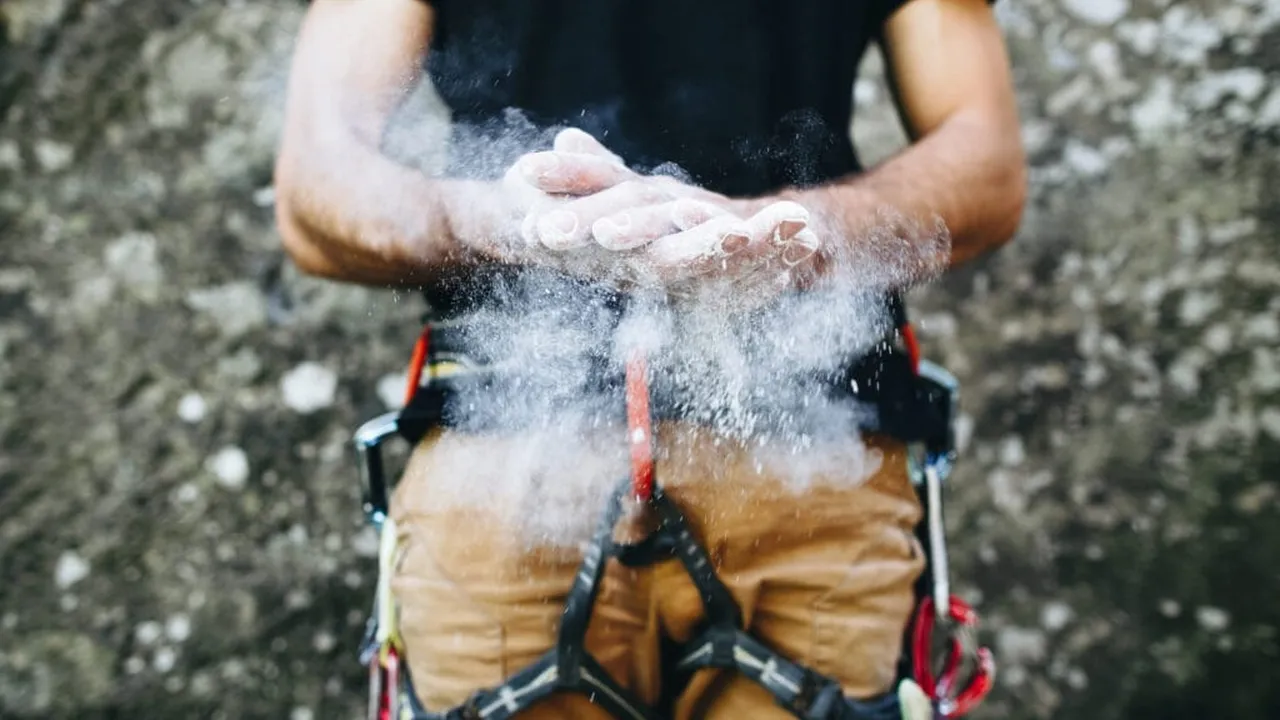
Improve your grip with the 5 best climbing chalk bags and chalk. Review designs, closure systems, and chalk types for optimal performance.
The 5 Best Climbing Chalk Bags and Chalk
Hey there, fellow climbers! We all know that feeling: you're on a crucial send, your fingers are getting sweaty, and suddenly, that perfect crimp feels like a greased watermelon. That's where chalk comes in, our trusty sidekick in the vertical world. But it's not just about having chalk; it's about having the right chalk and, just as importantly, the right chalk bag to keep it accessible and mess-free. In this comprehensive guide, we're diving deep into the world of climbing chalk and chalk bags, helping you find the perfect combination to elevate your climbing performance. We'll cover everything from different chalk types to the features that make a chalk bag truly great, and even recommend some top-notch products for various climbing styles and budgets.
Understanding Climbing Chalk Types Your Grip's Best Friend
Before we talk about bags, let's get granular about chalk itself. Not all chalk is created equal, and understanding the differences can significantly impact your grip and overall climbing experience. The primary goal of climbing chalk is to absorb moisture from your hands, increasing friction between your skin and the rock or holds. Here are the main types you'll encounter:
Loose Chalk The Classic Choice for Maximum Coverage
Loose chalk is the most common and traditional form. It's essentially finely ground magnesium carbonate. Its main advantage is its ability to provide a thorough, even coating on your hands. You can really get in there and coat every crevice. However, it can be messy, creating a cloud of dust, especially indoors. For outdoor climbing, it's generally less of an issue, but gym etiquette often encourages chalk balls or liquid chalk to minimize airborne particles.
Chalk Balls Less Mess, Still Effective
Chalk balls are essentially loose chalk contained within a porous fabric mesh. They're designed to reduce mess by releasing chalk more gradually and preventing large clouds of dust. This makes them a popular choice for indoor climbing gyms. While they might not offer the same immediate, heavy coating as loose chalk, they're excellent for maintaining a consistent, lighter layer throughout your climb. They're also great for conserving chalk.
Liquid Chalk The Modern Solution for a Strong, Lasting Base
Liquid chalk is a relatively newer innovation that's gained immense popularity, especially for bouldering and redpoint attempts. It's a mixture of magnesium carbonate, alcohol, and sometimes a drying agent. When applied, the alcohol quickly evaporates, leaving a thin, even, and incredibly durable layer of chalk on your hands. The benefits are numerous: minimal mess, a long-lasting grip, and often a stronger initial bond than loose chalk. It's fantastic for those crucial sends where you don't want to re-chalk mid-crux. Many climbers use liquid chalk as a base layer and then supplement with loose chalk or a chalk ball during the climb.
Block Chalk The Economical and Customizable Option
Block chalk is simply compressed magnesium carbonate. You can break off pieces as needed and crush them into loose chalk, or even rub the block directly on your hands for a quick application. It's often the most economical option and allows for customization of chalk consistency. Some climbers prefer to break it into larger chunks for a more tactile feel in their chalk bag.
Choosing the Right Chalk Bag More Than Just a Pouch
Your chalk bag is more than just a container; it's an extension of your climbing kit, designed to keep your chalk accessible and your hands dry. When choosing a chalk bag, consider your climbing style, preferences, and the features that will enhance your experience.
Size and Shape Finding Your Perfect Fit
Chalk bags come in various sizes and shapes. Smaller bags are great for minimalist climbers or those who prefer to clip their bag directly to their harness. Larger bags offer more chalk capacity and are often preferred by boulderers who might want to dip both hands in simultaneously. Some bags have a wider opening for easier access, while others are more tapered. Consider how easily you can get your hand in and out, especially when you're pumped.
Closure Systems Keeping Your Chalk Where It Belongs
A good closure system is crucial for preventing chalk spills, especially when transporting your bag. Common closure types include:
- Drawstring Closure: The most common and simple. A drawstring cinches the top of the bag shut. Look for a robust drawstring and a reliable cord lock.
- Roll-Top Closure: Often found on larger bouldering buckets, these closures roll down and clip, providing a very secure, dust-proof seal.
- Zipper Closure: Less common for the main opening, but some bags have zippered pockets for small essentials.
Attachment Options How You Carry Your Chalk
Most chalk bags come with a waist belt for easy attachment to your harness. Some also have a loop for clipping directly to a carabiner on your harness. Bouldering buckets typically have a handle for carrying and a stable base to prevent tipping.
Additional Features Small Details, Big Impact
Many chalk bags come with thoughtful extra features:
- Brush Holder: Essential for cleaning holds. Make sure it's secure and easily accessible.
- Zippered Pockets: Great for storing small items like tape, a key, or a small snack.
- Fleece Lining: A soft fleece lining helps distribute chalk evenly on your hands and feels nice.
- Reinforced Rim: A stiff rim helps the bag stay open for easy access.
Top 5 Best Climbing Chalk Bags and Chalk Recommendations
Now that we've covered the fundamentals, let's dive into some specific recommendations for chalk bags and chalk, catering to different climbing styles and preferences. Prices are approximate and can vary based on retailer and sales.
1. Black Diamond Mojo Chalk Bag The All-Rounder for Every Climber
The Black Diamond Mojo is a perennial favorite for a reason. It's a classic, no-frills, highly functional chalk bag that's perfect for sport climbing, trad climbing, and even light bouldering. Its simple design, durable construction, and affordable price point make it an excellent choice for beginners and experienced climbers alike.
Key Features and Why We Love It
- Classic Cylindrical Shape: Easy to dip your hand in and get a good chalking.
- Fleece-Lined Interior: Ensures even chalk distribution and a comfortable feel.
- Drawstring Closure: Simple and effective for keeping chalk contained.
- Included Webbing Belt: Ready to go right out of the box.
- Brush Holder: Conveniently located for quick access to your brush.
- Durable Construction: Built to withstand the rigors of climbing.
Ideal Use Case
This is your go-to chalk bag for everyday climbing, whether you're at the gym or out on the crag. It's reliable, doesn't get in the way, and holds enough chalk for a good session.
Recommended Chalk Pairing
Pair the Mojo with Black Diamond White Gold Loose Chalk. This chalk is known for its excellent drying properties and fine texture, providing a superior grip. A 300g bag typically costs around $10-15 USD.
Price Range
The Black Diamond Mojo Chalk Bag usually retails for around $15-20 USD.
2. Petzl Sakapoche Chalk Bag Feature-Rich and Thoughtful Design
Petzl is known for its innovative and high-quality climbing gear, and the Sakapoche chalk bag is no exception. It stands out with its integrated zippered pocket, making it incredibly practical for carrying small essentials like keys, a phone, or energy gels. This thoughtful design makes it a favorite among climbers who like to keep their pockets free while on the wall.
Key Features and Why We Love It
- Ergonomic Shape: Designed for easy access and comfortable wear.
- Integrated Zippered Pocket: A game-changer for carrying small items securely.
- Fleece Lining: Soft and effective for chalk distribution.
- Drawstring Closure: Reliable and easy to operate.
- Brush Holder: Keeps your cleaning brush handy.
- Durable Fabric: Built to last through countless climbs.
Ideal Use Case
Perfect for sport climbers, trad climbers, and anyone who wants to carry a few small personal items without stuffing their pants pockets. Great for long days at the crag.
Recommended Chalk Pairing
Combine the Sakapoche with Petzl Power Liquid Chalk as a base layer (around $10-15 USD for a 200ml bottle) and then use Petzl Power Chalk (loose) for re-chalking (around $8-12 USD for a 200g bag). This combination provides a strong initial grip and easy top-ups.
Price Range
The Petzl Sakapoche Chalk Bag typically costs around $25-35 USD.
3. Metolius Dust Devil Chalk Bag The Eco-Conscious and Efficient Choice
The Metolius Dust Devil is designed with efficiency and environmental consciousness in mind. It features a unique 'no-spill' design that helps minimize chalk loss and dust, making it a great option for indoor gyms and those who want to conserve chalk. It's also made from recycled materials, which is a nice bonus for the eco-minded climber.
Key Features and Why We Love It
- Unique No-Spill Closure: A clever design that significantly reduces chalk leakage when closed.
- Recycled Materials: A sustainable choice for the environmentally aware.
- Fleece Lining: Standard for good chalk distribution.
- Brush Holder: Conveniently placed.
- Included Belt: Ready for action.
Ideal Use Case
Excellent for gym climbing where dust is a concern, and for climbers who want to be more mindful of chalk waste. Also good for outdoor use where you want to keep your gear clean.
Recommended Chalk Pairing
The Dust Devil pairs well with Metolius Super Chalk (loose or block). Metolius chalk is known for its high quality and excellent drying properties. A 4.5 oz block of Super Chalk is around $5-8 USD, and a 10 oz bag of loose chalk is around $10-15 USD.
Price Range
The Metolius Dust Devil Chalk Bag usually retails for around $20-28 USD.
4. Organic Climbing Lunch Bag Chalk Bucket The Boulderer's Best Friend
For boulderers, a chalk bucket is often preferred over a traditional chalk bag. The Organic Climbing Lunch Bag Chalk Bucket is a cult favorite, handmade in the USA from durable, recycled materials. Its wide, stable base prevents tipping, and the large opening allows for easy two-hand chalking. Plus, the unique, vibrant patterns make each one a piece of art.
Key Features and Why We Love It
- Wide, Stable Base: Prevents tipping, even on uneven surfaces.
- Large Opening: Easy to dip both hands for thorough chalking.
- Roll-Top Closure: Provides a secure, dust-proof seal for transport.
- Brush Holders: Often comes with multiple brush holders.
- Handmade in the USA: Unique designs and high-quality craftsmanship.
- Durable Construction: Built to withstand heavy use.
Ideal Use Case
Absolutely essential for bouldering, both indoors and outdoors. Its stability and large capacity make it perfect for intense bouldering sessions where frequent, thorough chalking is needed.
Recommended Chalk Pairing
Fill your Organic Lunch Bag with a mix of FrictionLabs Unicorn Dust (fine) and a few Metolius Super Chalk Blocks. FrictionLabs chalk (around $20-30 USD for a 10 oz bag) is premium, highly effective, and often preferred by serious climbers for its superior drying power. The blocks can be crushed as needed for a custom consistency.
Price Range
The Organic Climbing Lunch Bag Chalk Bucket typically ranges from $40-60 USD, depending on the specific design and features.
5. Arc'teryx C80 Chalk Bag Premium Performance and Sleek Design
If you're looking for a chalk bag that combines premium materials, thoughtful design, and a sleek aesthetic, the Arc'teryx C80 is a top contender. While it comes with a higher price tag, you're paying for Arc'teryx's renowned attention to detail and performance-driven engineering. It's lightweight, durable, and designed for optimal functionality on the wall.
Key Features and Why We Love It
- Advanced Materials: Often uses high-quality, durable fabrics that are lightweight and weather-resistant.
- Ergonomic Shape: Designed for easy, quick access to chalk.
- Refined Drawstring Closure: Smooth operation and secure seal.
- Integrated Brush Holder: Secure and well-placed.
- Sleek, Minimalist Design: Looks great and performs even better.
Ideal Use Case
For climbers who prioritize lightweight gear, premium quality, and a refined aesthetic. Excellent for multi-pitch climbing, sport climbing, and anyone who appreciates top-tier equipment.
Recommended Chalk Pairing
Complement the Arc'teryx C80 with Mammut Pure Grip Chalk (loose). Mammut chalk (around $10-15 USD for a 200g bag) is known for its high purity and excellent moisture absorption, providing a reliable grip that matches the bag's performance. Alternatively, for a strong base, use Mammut Liquid Chalk (around $12-18 USD for a 200ml bottle).
Price Range
The Arc'teryx C80 Chalk Bag typically retails for around $35-50 USD.
Beyond the Bag and Chalk Essential Tips for Optimal Grip
Having the best chalk and chalk bag is a great start, but there's more to optimizing your grip. Here are a few extra tips to keep your hands in prime climbing condition:
Hand Care The Unsung Hero of Grip
Healthy skin is crucial for good grip. Regularly moisturize your hands, especially after climbing, to prevent excessive drying and cracking. Use a good quality hand balm specifically designed for climbers. Filing down calluses can also prevent them from tearing. Think of your hands as your primary tools; treat them well!
Chalk Application Technique Less is Often More
Don't over-chalk! A thin, even layer is usually more effective than a thick, caked-on mess. Too much chalk can actually reduce friction. Dip your fingers, rub them together, and then lightly dust off any excess. For liquid chalk, a small amount spread evenly is all you need.
Brush Your Holds Cleanliness is Next to Send-liness
A good brush is your best friend, especially outdoors. Dirt, rubber, and old chalk can build up on holds, making them slippery. Use your brush to clean off holds before or during your climb. This is where that brush holder on your chalk bag comes in handy!
Humidity and Temperature Adjust Your Strategy
Environmental factors play a huge role. On humid days, you might need to chalk up more frequently or consider using liquid chalk as a base. In very cold, dry conditions, your skin might be prone to cracking, so extra hand care is essential. Be adaptable!
Experiment and Find Your Personal Preference
Ultimately, the best chalk and chalk bag for you will depend on your personal preferences, climbing style, and the conditions you typically climb in. Don't be afraid to experiment with different types of chalk and different bag designs until you find what feels right. Ask your climbing buddies what they use, try out their gear if they're willing, and pay attention to how your hands feel on different days and on different types of rock or holds.
Happy climbing, and may your grip be ever strong!
:max_bytes(150000):strip_icc()/277019-baked-pork-chops-with-cream-of-mushroom-soup-DDMFS-beauty-4x3-BG-7505-5762b731cf30447d9cbbbbbf387beafa.jpg)