The 5 Best Hiking Snacks for Sustained Energy
Fuel your hikes with the 5 best hiking snacks for sustained energy. Discover nutritious and portable options to keep you going on the trail.
Fuel your hikes with the 5 best hiking snacks for sustained energy. Discover nutritious and portable options to keep you going on the trail. A successful hike isn't just about the right gear; it's also about fueling your body properly. The right snacks can make the difference between hitting the wall and enjoying every step of your adventure. This comprehensive guide will delve deep into the world of hiking nutrition, focusing on the best snacks that provide sustained energy, are easy to carry, and taste great on the trail.
The 5 Best Hiking Snacks for Sustained Energy
When you're out on the trail, your body is constantly burning calories. Whether you're tackling a steep ascent, navigating rocky terrain, or simply enjoying a leisurely walk, your muscles need a steady supply of energy. The best hiking snacks are those that offer a balanced mix of carbohydrates for quick energy, proteins for muscle repair and satiety, and healthy fats for long-lasting fuel. They should also be non-perishable, easy to pack, and not prone to crushing or melting.
Understanding Hiking Nutrition What Your Body Needs on the Trail
Before we dive into specific snack recommendations, let's briefly discuss the nutritional principles that guide our choices. During physical activity like hiking, your body primarily relies on carbohydrates for immediate energy. Complex carbohydrates, found in whole grains and certain fruits, provide a sustained release of glucose, preventing energy crashes. Proteins are crucial for muscle recovery and repair, especially after strenuous activity. Healthy fats, while slower to digest, offer a dense source of calories and contribute to satiety, helping you feel full longer. Electrolytes, such as sodium and potassium, are also vital, especially in hot weather, to prevent dehydration and muscle cramps.
Carbohydrates for Quick and Sustained Energy Sources
Carbohydrates are your primary fuel source. Simple carbs offer a quick burst, while complex carbs provide a steady supply. Think about a mix of both for optimal performance. For instance, a piece of fruit can give you an immediate lift, while a handful of trail mix with oats can keep you going for hours.
Proteins for Muscle Repair and Satiety Benefits
Protein is essential for preventing muscle breakdown and aiding recovery. It also helps you feel fuller for longer, reducing the urge to constantly snack. Lean protein sources are ideal for hiking.
Healthy Fats for Long Lasting Fuel and Calorie Density
Fats are calorie-dense, meaning they pack a lot of energy into a small package. This is incredibly useful for long hikes where you need sustained energy without carrying excessive weight. Opt for unsaturated fats for better health benefits.
Electrolytes and Hydration Importance for Hikers
Beyond food, staying hydrated is paramount. Water, along with electrolytes, helps regulate body temperature, lubricate joints, and transport nutrients. Don't underestimate the power of proper hydration.
Top 5 Hiking Snacks Detailed Reviews and Comparisons
Here are our top picks for hiking snacks, chosen for their nutritional value, portability, and trail-worthiness. We'll provide specific product recommendations, their ideal use cases, and a comparison of their pros and cons.
1. Trail Mix The Ultimate Customizable Energy Source
Trail mix is a classic for a reason. It's incredibly versatile, allowing you to customize it to your taste and nutritional needs. A good trail mix combines nuts, seeds, dried fruit, and sometimes a little something sweet. The nuts and seeds provide healthy fats and protein, while dried fruits offer quick carbohydrates and natural sugars.
Recommended Products and Variations for Trail Mix
- Nature Valley Chewy Granola Bars (Variety Pack): While not a loose mix, these bars offer a convenient, pre-portioned trail mix experience. They are affordable, widely available, and come in various flavors. Price: ~$4-6 for a box of 12.
- Kirkland Signature Trail Mix (Costco): For bulk buyers, this mix offers a great balance of nuts, seeds, and M&Ms. It's high in calories and very satisfying. Price: ~$15-20 for a large bag.
- DIY Trail Mix: The best option for customization. Combine almonds, walnuts, cashews, pumpkin seeds, sunflower seeds, dried cranberries, raisins, and a few chocolate chips. This allows you to control sugar content and allergens. Price: Varies based on ingredients, but often more cost-effective in the long run.
Pros and Cons of Trail Mix for Hikers
Pros: Highly customizable, good balance of macros, easy to eat on the go, relatively non-perishable.
Cons: Can be high in sugar if too much dried fruit/candy is added, can melt in hot weather (chocolate), some nuts can be expensive.
2. Energy Bars and Protein Bars Convenient and Calorie Dense
Energy and protein bars are a hiker's best friend when you need a quick, no-fuss energy boost. They are designed to be calorie-dense and often fortified with vitamins and minerals. The key is to choose bars with a good balance of carbohydrates, protein, and healthy fats, and to avoid those loaded with excessive sugar and artificial ingredients.
Top Energy and Protein Bar Brands for Hiking
- Clif Bar (Various Flavors): A long-standing favorite, Clif Bars are known for their substantial size and sustained energy release. They are primarily carbohydrate-based with some protein. Price: ~$1.50-2.50 per bar.
- RXBAR (Chocolate Sea Salt, Peanut Butter): These bars are made with a few simple ingredients (egg whites for protein, dates for sweetness, nuts for fat). They are great for those looking for a cleaner ingredient list. Price: ~$2.00-3.00 per bar.
- Kind Bar (Nut Delight, Dark Chocolate Nuts & Sea Salt): Kind Bars emphasize whole nuts and often have lower sugar content than other bars. They provide a good mix of healthy fats and some protein. Price: ~$1.50-2.50 per bar.
- GoMacro MacroBar (Peanut Butter Chocolate Chip): Vegan, gluten-free, and organic, these bars are a great option for those with dietary restrictions. They offer a good balance of protein and carbs. Price: ~$2.50-3.50 per bar.
Choosing the Right Bar for Your Hike Duration and Intensity
For shorter, less intense hikes, a simple granola bar might suffice. For longer, more strenuous treks, opt for bars with higher calorie counts and a better protein-to-carb ratio. Always check the ingredient list to avoid excessive added sugars.
3. Dried Fruit and Fruit Leathers Natural Sugars and Electrolytes
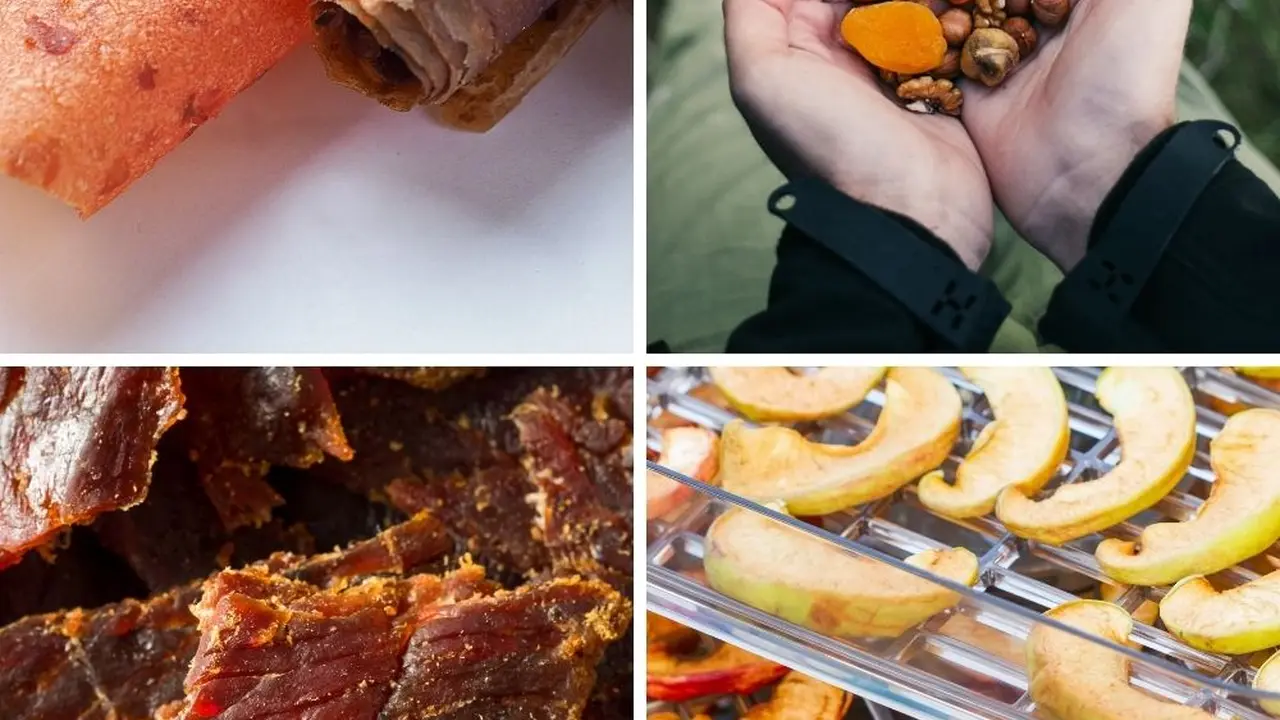
Dried fruits are a fantastic source of quick energy due to their concentrated natural sugars. They also provide fiber and some essential vitamins and minerals. Fruit leathers offer a similar benefit in a more compact, less messy form.
Best Dried Fruits and Fruit Leathers for Hiking
- Raisins and Dried Cranberries: Classic choices, easy to pack, and provide a quick sugar boost. Price: ~$3-5 for a small bag.
- Dried Apricots and Figs: Rich in potassium, which is an important electrolyte. They also offer a good amount of fiber. Price: ~$4-7 for a small bag.
- Banana Chips: Provide potassium and a satisfying crunch. Look for unsweetened versions. Price: ~$3-6 for a small bag.
- Stretch Island Fruit Leather (Variety Pack): These are pure fruit, no added sugars, and very convenient. Great for kids and adults alike. Price: ~$5-8 for a box of 8.
Benefits and Considerations for Dried Fruit Consumption
Benefits: Excellent source of quick energy, good source of fiber, lightweight, long shelf life.
Considerations: Can be high in sugar, some varieties can be sticky, can cause digestive upset in large quantities for some individuals.
4. Nut Butters and Seed Butters Portable Protein and Fat
Nut and seed butters are incredibly calorie-dense and provide a fantastic source of healthy fats and protein. They are perfect for spreading on crackers, tortillas, or even eating directly from the packet for a quick energy hit.
Recommended Nut and Seed Butter Products for the Trail
- Justin's Nut Butter Squeeze Packs (Almond Butter, Peanut Butter): These individual squeeze packs are a game-changer for hikers. No mess, easy to eat, and perfectly portioned. Price: ~$1.50-2.50 per pack.
- Trader Joe's Peanut Butter Pretzels: A delicious combination of salty and sweet, offering carbs, protein, and fat. Easy to snack on. Price: ~$3-4 per bag.
- Powdered Peanut Butter (e.g., PB2): While not a butter in its traditional form, powdered peanut butter is incredibly lightweight. You can mix it with a little water on the trail to create a spread or add it to oatmeal. Price: ~$5-8 per jar.
Creative Ways to Incorporate Nut Butters into Your Hiking Diet
Spread on whole-wheat tortillas with dried fruit, mix into oatmeal, or simply enjoy a spoonful for a quick energy boost. They pair well with apples or bananas if you're carrying fresh fruit.
5. Jerky and Meat Sticks Lean Protein for Sustained Energy
For those who prefer savory snacks, jerky and meat sticks are excellent choices. They are packed with lean protein, which is crucial for muscle recovery and keeping hunger at bay. They are also lightweight and have a very long shelf life.
Popular Jerky and Meat Stick Brands for Outdoor Activities
- Jack Link's Beef Jerky (Original, Teriyaki): A widely available and popular choice. Offers a good amount of protein per serving. Price: ~$4-7 per bag.
- Epic Provisions Meat Bars (Bison Bacon Cranberry, Beef Apple Bacon): These bars are made from grass-fed meats and often include fruits and nuts, offering a more complete nutritional profile than traditional jerky. Price: ~$2.50-4.00 per bar.
- Chomps Snack Sticks (Original Beef, Turkey): Made with grass-fed and free-range meats, these sticks are free from common allergens and artificial ingredients. Very convenient. Price: ~$1.50-2.50 per stick.
Benefits of High Protein Snacks on Long Hikes
High protein snacks help maintain muscle mass, reduce fatigue, and keep you feeling full, which can prevent overeating or energy dips on long hikes. They are particularly beneficial for multi-day treks.
Additional Smart Snack Choices for Your Backpack
Beyond our top five, there are other excellent snack options to consider, depending on your preferences and the nature of your hike.
Whole Grain Crackers and Pretzels Complex Carbohydrates and Salt
These provide complex carbohydrates for sustained energy and often a good dose of sodium, which is important for electrolyte balance, especially if you're sweating a lot. They are also relatively inexpensive and easy to pack.
Hard Cheeses and Cheese Sticks Portable Dairy Protein and Fat
Hard cheeses are surprisingly durable on the trail and offer a good source of protein and fat. They are a great savory option that can help with satiety. Look for individually wrapped cheese sticks for convenience.
Edamame and Roasted Chickpeas Plant Based Protein Powerhouses
For plant-based hikers, roasted edamame or chickpeas are excellent sources of protein and fiber. They are crunchy, satisfying, and come in various flavors. You can buy them pre-roasted or make your own.
Dark Chocolate A Treat with Antioxidants and Energy
A small amount of dark chocolate can provide a quick energy boost and is rich in antioxidants. It's a nice treat to look forward to, especially on a challenging section of the trail. Just be mindful of melting in hot weather.
Packing and Storing Your Hiking Snacks Tips for Freshness and Portability
Even the best snacks won't do you any good if they're crushed, melted, or spoiled. Proper packing is essential.
Using Reusable Containers and Ziploc Bags for Organization
Use sturdy, reusable containers for delicate items like crackers or homemade energy balls. Ziploc bags are great for trail mix, dried fruit, and separating portions. Double-bag anything that might leak or get messy.
Preventing Melting and Crushing Strategies for Trail Snacks
Avoid packing chocolate or other meltable items directly against your back or in areas exposed to direct sunlight. Consider using a small insulated bag for items that are sensitive to temperature. For crushable items, pack them in hard containers or at the top of your pack.
Calculating Calorie Needs for Different Hike Durations
The amount of food you need depends on the length and intensity of your hike. A general rule of thumb is to aim for 200-300 calories per hour of moderate hiking. For longer or more strenuous hikes, you'll need more. Always pack a little extra than you think you'll need, just in case of unexpected delays.
Hydration Beyond Water Electrolyte Drinks and More
While snacks provide energy, proper hydration is equally, if not more, important. Don't rely solely on water, especially on longer or hotter hikes.
Electrolyte Tablets and Powders Replenishing Essential Minerals
Electrolyte tablets (like Nuun or Liquid IV) or powders (like Skratch Labs) can be added to your water to replenish minerals lost through sweat. This is crucial for preventing cramps and maintaining energy levels.
Water Filters and Purification Systems for Remote Areas
If you're hiking in areas with natural water sources, a portable water filter (e.g., Sawyer Squeeze, Katadyn BeFree) or purification tablets are essential. This allows you to carry less water initially and refill as needed, saving weight.
Common Hiking Snack Mistakes to Avoid
Even experienced hikers can make mistakes when it comes to trail nutrition. Being aware of these pitfalls can help you optimize your fueling strategy.
Overreliance on Simple Sugars The Energy Crash Effect
While simple sugars offer a quick boost, relying solely on them can lead to an energy crash. Balance them with complex carbohydrates, proteins, and fats for sustained energy.
Forgetting to Eat Regularly Maintaining Consistent Energy Levels
Don't wait until you're ravenous to eat. Graze throughout your hike, taking small bites every hour or so. This keeps your energy levels consistent and prevents bonking.
Ignoring Personal Dietary Needs and Allergies
Always consider your own dietary restrictions, allergies, and preferences. There are plenty of gluten-free, vegan, or nut-free options available. Don't force yourself to eat something you don't enjoy or that makes you feel unwell.
Packing Too Much or Too Little Food Balancing Weight and Needs
It's a delicate balance. Too much food adds unnecessary weight; too little leaves you hungry and low on energy. Plan your meals and snacks based on your hike's duration and intensity, and always pack a small emergency reserve.
Making Your Own Hiking Snacks Cost Effective and Healthy Options
Homemade snacks can be more cost-effective and allow you to control ingredients, avoiding artificial additives and excessive sugars.
Recipes for Homemade Energy Balls and Granola Bars
No-Bake Energy Balls: Combine rolled oats, nut butter, honey or maple syrup, chia seeds, and dried fruit. Roll into balls and chill.
Homemade Granola Bars: Mix oats, nuts, seeds, dried fruit, and a binder like honey or nut butter. Press into a pan, bake, and cut into bars.
Dehydrated Fruits and Vegetables for Lightweight Snacking
If you have a dehydrator, you can make your own dried fruit and even vegetable chips (e.g., kale chips, sweet potato chips). This is a great way to save money and ensure healthy, preservative-free snacks.
Final Thoughts on Fueling Your Outdoor Adventures
Choosing the right hiking snacks is a crucial part of preparing for any outdoor adventure. By understanding your body's nutritional needs on the trail and selecting a variety of balanced, portable, and delicious options, you can ensure you have the sustained energy to enjoy every moment of your hike. Remember to experiment with different snacks to find what works best for you, and always prioritize hydration. Happy trails!
:max_bytes(150000):strip_icc()/277019-baked-pork-chops-with-cream-of-mushroom-soup-DDMFS-beauty-4x3-BG-7505-5762b731cf30447d9cbbbbbf387beafa.jpg)