Top 5 Hiking Boots for All Terrains
Discover the 5 best hiking boots for various terrains. Compare comfort, durability, waterproofing, and grip for your next trail adventure.
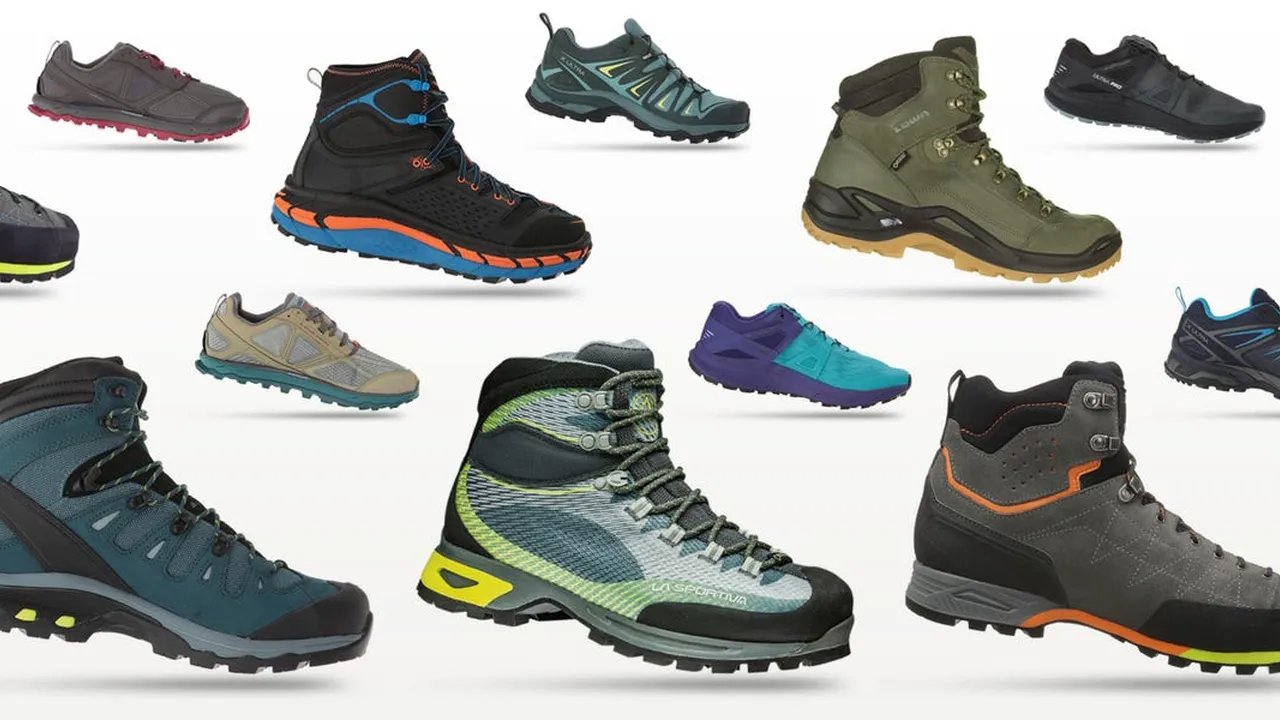
Discover the 5 best hiking boots for various terrains. Compare comfort, durability, waterproofing, and grip for your next trail adventure.
Top 5 Hiking Boots for All Terrains
Hey there, fellow adventurers! Ready to hit the trails but wondering what to put on your feet? Choosing the right hiking boots can make or break your outdoor experience. Whether you're tackling rocky mountain paths, muddy forest trails, or just enjoying a leisurely walk in the park, having the right footwear is crucial for comfort, safety, and performance. We're talking about protecting your feet from blisters, providing ankle support, and giving you the grip you need to stay upright on tricky surfaces. So, let's dive deep into the world of hiking boots and find your perfect pair!
Understanding Hiking Boot Types and Your Needs
Before we jump into our top picks, let's quickly chat about the different types of hiking boots out there. Knowing what kind of terrain you'll be on and what level of support you need will help you narrow down your choices. Generally, hiking boots fall into a few categories:
Light Hiking Boots and Trail Shoes for Day Hikes
These are usually low-cut or mid-cut, offering good flexibility and breathability. They're perfect for well-maintained trails, day hikes, and lighter loads. Think of them as a beefed-up sneaker with more traction and a bit more support. They're great if you prioritize speed and agility over heavy-duty support.
Midweight Hiking Boots for Backpacking and Moderate Trails
This is where most people land. Midweight boots are typically mid-cut, providing better ankle support and more cushioning than light hikers. They're suitable for multi-day trips with moderate loads, uneven terrain, and some off-trail excursions. They often feature waterproof membranes and more aggressive outsoles.
Heavyweight Backpacking Boots for Rugged Terrain and Heavy Loads
When you're carrying a heavy pack, traversing challenging, rocky, or off-trail terrain, or even doing some light mountaineering, you'll want heavyweight boots. These are high-cut, very supportive, and often stiffer, offering maximum ankle stability and protection. They're built to last and handle serious abuse.
Key Features to Look for in Hiking Boots
So, what makes a great hiking boot? Here are the essential features you should consider:
Waterproofing and Breathability for Dry Feet
Nobody likes wet feet! Most quality hiking boots use waterproof and breathable membranes like Gore-Tex or eVent. These materials keep water out while allowing sweat vapor to escape, preventing that clammy feeling. However, remember that 'waterproof' doesn't mean 'submersible' – water can still get in over the top!
Outsole Grip and Traction for Stability
The outsole is where the rubber meets the trail. Look for deep, multi-directional lugs (the patterns on the sole) that provide excellent grip on various surfaces – wet rocks, loose dirt, mud, and snow. Vibram is a popular and trusted brand for outsoles, known for its durability and traction.
Midsole Cushioning and Support for Comfort
The midsole provides cushioning and absorbs shock, protecting your feet from impact. EVA (ethylene vinyl acetate) and PU (polyurethane) are common midsole materials. EVA is lighter and softer, while PU is denser and more durable, offering better long-term support for heavier loads.
Ankle Support and Stability for Uneven Trails
This is especially important on uneven terrain. Higher-cut boots offer more ankle support, reducing the risk of sprains. Look for padded collars and secure lacing systems that hold your foot firmly in place without restricting movement.
Durability and Materials for Longevity
Hiking boots take a beating, so durability is key. Full-grain leather offers excellent durability and water resistance but can be heavier and require more break-in. Synthetic materials are lighter, more breathable, and often require less break-in. Suede and mesh combinations offer a good balance of breathability and durability.
Our Top 5 Hiking Boots for All Terrains
Alright, let's get to the good stuff! Here are our top 5 picks, covering a range of needs and budgets. We've considered their performance across different terrains, user reviews, and overall value.
1. Salomon X Ultra 4 Mid GTX for Versatile Performance
Why we love it: The Salomon X Ultra 4 Mid GTX is a fantastic all-rounder, perfect for hikers who want a boot that can handle everything from fast-paced day hikes to multi-day backpacking trips on varied terrain. It's known for its athletic feel, excellent grip, and out-of-the-box comfort.
Key Features:
- Advanced Chassis: Provides stability and protection without sacrificing flexibility.
- Contagrip MA Outsole: Offers superb traction on wet, dry, hard, or loose surfaces.
- Gore-Tex Waterproofing: Keeps your feet dry in wet conditions.
- EnergyCell Midsole: High-rebound cushioning for long-lasting comfort.
- Protective Toecap: Shields your toes from rocks and roots.
Best Use Cases: Day hiking, light backpacking, fastpacking, mixed terrain including rocky and muddy trails.
Comparison: Compared to heavier traditional hiking boots, the X Ultra 4 Mid GTX feels more like a trail running shoe with added ankle support. It's lighter and more agile, making it great for covering ground quickly. It might not offer the same heavy-duty support as a full-on backpacking boot, but for most hikers, it's more than enough.
Price Range: Typically around $160 - $180 USD.
2. Merrell Moab 3 Mid Waterproof for Comfort and Value
Why we love it: The Merrell Moab (Mother Of All Boots) series has been a long-standing favorite for a reason. The Moab 3 Mid Waterproof continues this legacy, offering exceptional comfort, reliable waterproofing, and great value. It's often recommended as a go-to boot for beginners and experienced hikers alike who prioritize comfort and a quick break-in period.
Key Features:
- Vibram TC5+ Outsole: Provides excellent grip and durability.
- Merrell Select DRY Waterproof Membrane: Keeps water out while allowing moisture to escape.
- Kinetic Fit ADV Removable Contoured Insole: Offers flexible support.
- Air Cushion in the Heel: Absorbs shock and adds stability.
- Suede Leather and Mesh Upper: A good balance of durability and breathability.
Best Use Cases: Day hikes, light to moderate backpacking, well-maintained trails, and general outdoor use. Great for those who want comfort right out of the box.
Comparison: The Moab 3 is known for its plush, comfortable feel, often requiring little to no break-in. While it's very capable on most trails, it might not offer the same level of aggressive traction or rigid support as some more technical boots on extremely challenging terrain. It's a fantastic entry-level to mid-range option.
Price Range: Around $140 - $150 USD.
3. Hoka Anacapa Mid GTX for Maximum Cushioning
Why we love it: If you're all about cushioning and comfort, especially on long hikes or if you have sensitive feet, the Hoka Anacapa Mid GTX is your go-to. Hoka is famous for its maximalist running shoes, and they've brought that same philosophy to their hiking boots, offering an incredibly plush ride.
Key Features:
- Extended Heel Geometry: Designed for smoother heel-to-toe transitions.
- Vibram Megagrip Outsole: Provides exceptional traction on wet and dry surfaces.
- Gore-Tex Fabric with Recycled Content: Waterproof and breathable, with an eco-conscious touch.
- Compression-Molded EVA Midsole: Delivers signature Hoka cushioning.
- Lightweight Leather and Recycled Polyester Upper: Durable and breathable.
Best Use Cases: Long-distance hiking, thru-hiking, hikers seeking maximum comfort and shock absorption, especially on hard-packed trails or pavement sections.
Comparison: The Anacapa Mid GTX stands out with its massive stack height and superior cushioning, making it feel incredibly soft underfoot. This can be a game-changer for reducing fatigue on long days. However, some hikers might find the high stack height slightly less stable on extremely technical or off-camber terrain compared to lower-profile boots.
Price Range: Approximately $185 - $200 USD.
4. Vasque Breeze WT GTX for Winter and Rugged Conditions
Why we love it: When the weather turns cold and the trails get tough, the Vasque Breeze WT GTX steps up. This boot is designed for winter hiking and rugged conditions, offering excellent insulation, warmth, and robust support. It's a true workhorse for colder climates and challenging terrain.
Key Features:
- Vibram Contact Grip with IceTrek Compound: Specifically designed for superior traction on cold, icy, and snowy surfaces.
- Gore-Tex Insulated Comfort: Provides waterproof protection and warmth in cold environments.
- 200g 3M Thinsulate Insulation: Keeps your feet toasty in freezing temperatures.
- Dual-Density EVA Midsole: Offers a balance of cushioning and stability.
- Nubuck Leather and Abrasion-Resistant Mesh Upper: Durable and protective.
Best Use Cases: Winter hiking, snowshoeing, cold weather backpacking, rugged and rocky trails where warmth and robust support are paramount.
Comparison: The Breeze WT GTX is significantly warmer and more robust than the other boots on this list, making it less suitable for hot weather. Its specialized outsole excels in icy conditions where other boots might struggle. It's a heavier boot, but the added protection and warmth are well worth it for its intended use.
Price Range: Around $190 - $210 USD.
5. La Sportiva Ultra Raptor II Mid GTX for Technical Trails
Why we love it: For hikers who frequently tackle technical, rocky, and challenging trails, the La Sportiva Ultra Raptor II Mid GTX is a top contender. It's essentially a beefed-up version of their popular trail running shoe, offering exceptional grip, precision, and protection for demanding terrain.
Key Features:
- FriXion XF 2.0 Outsole with Impact Brake System: Provides aggressive traction and excellent braking on descents.
- Gore-Tex Extended Comfort Lining: Waterproof and highly breathable.
- Injection-Molded EVA Midsole: Offers good cushioning and stability.
- Transkinetic EVO Stabilizer: Enhances stability and torsional rigidity.
- High-Abrasion Resistant Mesh and Microfiber Upper: Durable and protective.
Best Use Cases: Technical hiking, scrambling, fastpacking on rugged trails, long-distance treks where agility and precise foot placement are crucial.
Comparison: The Ultra Raptor II Mid GTX offers a more precise and agile feel than traditional hiking boots, making it ideal for technical terrain where you need to feel the ground. Its aggressive outsole is fantastic on loose and rocky surfaces. While it provides good ankle support, it's not as stiff or heavy as a full-on backpacking boot, striking a balance between agility and protection.
Price Range: Typically around $180 - $200 USD.
Tips for Choosing and Breaking In Your Hiking Boots
So you've got your eye on a pair (or two!). Here are some final tips to ensure you get the best fit and experience:
Try Before You Buy and Size Considerations
This is probably the most important tip! Always try on hiking boots, preferably at the end of the day when your feet are slightly swollen. Wear the type of socks you'll hike in. Make sure there's about a thumb's width of space between your longest toe and the end of the boot. Your heel should feel secure, with minimal slippage. Walk around the store, go up and down ramps if possible, and pay attention to any pressure points.
Break-In Period for Optimal Comfort
Even the most comfortable boots need a break-in period. Start with short walks around your neighborhood, then move to shorter hikes before tackling a long trek. This allows the boots to mold to your feet and helps you identify any potential hot spots before they become blisters. Leather boots generally require a longer break-in than synthetic ones.
Proper Lacing Techniques for Support
How you lace your boots can significantly impact comfort and support. Experiment with different lacing techniques to find what works best for your foot shape. You can use a surgeon's knot to lock in the forefoot and allow for different tension in the ankle, or skip eyelets to relieve pressure on specific areas.
Maintenance and Care for Longevity
To make your boots last, clean them regularly after hikes. Remove dirt and debris, especially from the lugs. If they're waterproof, reapply a DWR (Durable Water Repellent) treatment periodically. Store them in a cool, dry place away from direct sunlight or heat sources, which can dry out materials and cause cracking.
Final Thoughts on Your Hiking Boot Journey
Choosing the best hiking boots is a personal journey, and what works for one person might not work for another. Consider your typical hiking terrain, the weight of your pack, and your personal comfort preferences. Investing in a good pair of hiking boots is an investment in your outdoor enjoyment and foot health. So, take your time, try on a few pairs, and get ready to explore the amazing trails out there with happy feet!
:max_bytes(150000):strip_icc()/277019-baked-pork-chops-with-cream-of-mushroom-soup-DDMFS-beauty-4x3-BG-7505-5762b731cf30447d9cbbbbbf387beafa.jpg)