Comparing Lightweight Tents for Solo Hikers
Find the perfect shelter with lightweight tents for solo hikers. Compare weight, pack size, and ease of setup for minimalist adventures.
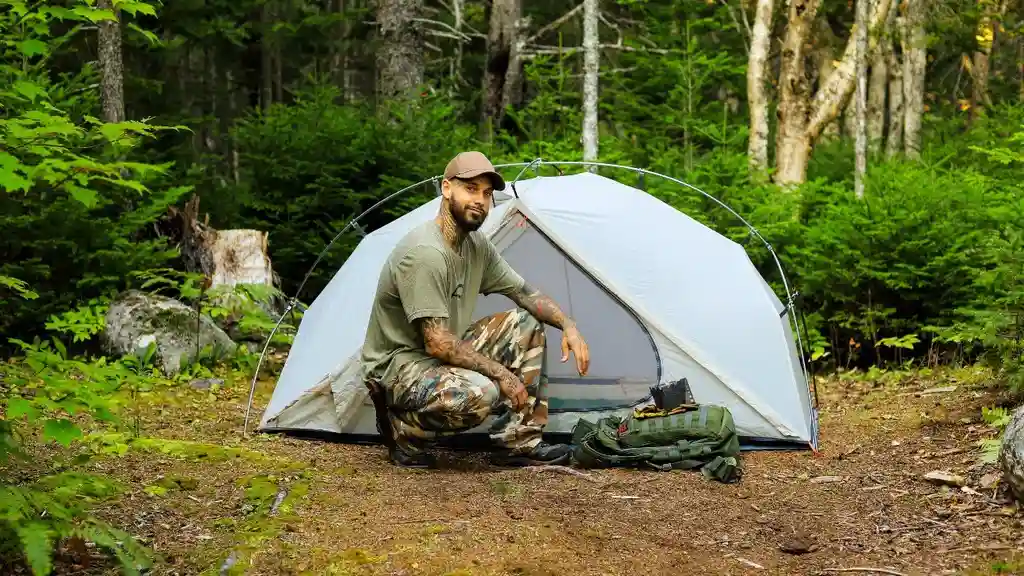
Find the perfect shelter with lightweight tents for solo hikers. Compare weight, pack size, and ease of setup for minimalist adventures.
Comparing Lightweight Tents for Solo Hikers
Why Lightweight Solo Tents are a Game Changer for Backpacking
Hey there, fellow adventurers! If you're anything like me, you love hitting the trails solo. There's something incredibly liberating about being out there on your own, setting your own pace, and truly connecting with nature. But let's be real, one of the biggest challenges of solo backpacking is shedding weight. Every ounce counts, especially when you're carrying everything on your back for days on end. That's where lightweight solo tents come into play. They're not just about saving your shoulders; they're about enhancing your entire outdoor experience. A lighter pack means more energy for those uphill climbs, less strain on your joints, and ultimately, a more enjoyable and sustainable journey. We're talking about tents that weigh less than a liter of water, yet still offer robust protection from the elements. It's a true marvel of modern outdoor gear engineering.
Key Factors to Consider When Choosing Your Solo Tent: Weight, Pack Size, and Setup
Alright, so you're convinced you need a lightweight solo tent. But with so many options out there, how do you pick the right one? It can feel a bit overwhelming, right? Let's break down the crucial factors you need to consider:
Understanding Tent Weight and Your Backpacking Style
When we talk about 'lightweight,' what does that actually mean? For solo tents, anything under 2.5 pounds (around 1.1 kg) is generally considered lightweight, and many top-tier options are well under 2 pounds. But it's not just about the number on the scale. Think about your typical trips. Are you a weekend warrior doing short, fast-and-light overnighters? Or are you embarking on multi-week thru-hikes where every gram is critical? For the former, you might be able to tolerate a slightly heavier, more feature-rich tent. For the latter, you'll want to go as minimalist as possible. Remember, the listed weight often includes the tent body, rainfly, poles, and stakes. Sometimes, it's worth checking if the 'trail weight' (tent body, fly, poles) is significantly different from the 'packed weight' (everything, including stuff sacks and repair kits).
Optimizing Pack Size for Minimalist Adventures
Weight is one thing, but pack size is another beast entirely. You can have a super light tent that still takes up half your backpack if it doesn't compress well. Look for tents that pack down small, ideally into a stuff sack that can easily fit horizontally or vertically in your pack without creating awkward bulges. The pole length is often the limiting factor here, so consider tents with shorter pole segments if you have a smaller pack or prefer to store your tent inside rather than strapped to the outside. A compact tent means more space for food, water, and other essentials, or simply a smaller, more streamlined pack overall.
Ease of Setup: Quick Pitching for Solo Backpackers
Imagine this: you've just hiked 15 miles, it's getting dark, and a storm is rolling in. The last thing you want is a tent that takes an engineering degree to set up. For solo hikers, ease of setup is paramount. Look for tents with intuitive pole systems, color-coded clips, and minimal guylines. Freestanding tents are often easier to pitch on varied terrain (rocky ground, tent platforms) because they don't require stakes to hold their shape, though they still need to be staked out for stability in wind. Non-freestanding tents, which rely on trekking poles and stakes for their structure, can be incredibly light but require a bit more practice and suitable ground for pitching. Consider your typical camping environments and your comfort level with different setup styles.
Top Picks: Best Lightweight Solo Tents for 2024
Now for the fun part! Let's dive into some of the best lightweight solo tents on the market right now. I've picked a few that consistently get high marks for their balance of weight, durability, and user-friendliness.
Zpacks Duplex Lite: The Ultralight Champion for Thru-Hikers
If you're serious about ultralight backpacking, the Zpacks Duplex Lite is probably already on your radar. While technically a two-person tent, its incredibly low weight makes it a popular choice for solo hikers who want a bit more space without the weight penalty. It weighs a mind-boggling 14.5 ounces (411 grams)! Yes, you read that right. It achieves this by using Dyneema Composite Fabric (DCF), which is incredibly strong, waterproof, and doesn't sag when wet. It's a non-freestanding tent, meaning it requires two trekking poles for setup, which you're likely already carrying. The setup is surprisingly quick once you get the hang of it, and it offers excellent ventilation. The downside? The price tag is steep, usually around $600-$700, and DCF can be a bit noisy in windy conditions. But for the dedicated ultralighter, it's an investment worth considering. Ideal for long-distance thru-hikes like the Appalachian Trail or Pacific Crest Trail where every ounce matters.
Big Agnes Copper Spur HV UL1: The Freestanding All-Rounder
The Big Agnes Copper Spur HV UL1 is a perennial favorite, and for good reason. It strikes an excellent balance between weight, livability, and ease of use. Weighing in at around 2 pounds 2 ounces (964 grams), it's still incredibly light but offers the convenience of a freestanding design. This means you can pitch it almost anywhere, even on rocky ground or wooden platforms, and then move it around to find the perfect spot before staking it down. It boasts impressive interior volume for a solo tent, with steep walls that maximize head and shoulder room. You get two doors and two vestibules, which is a luxury for a solo tent, allowing for easy entry/exit and plenty of gear storage. The setup is super intuitive with a single hubbed pole system. It's made with lightweight nylon ripstop, which is durable and quiet. Expect to pay around $400-$450 for this beauty. This tent is perfect for weekend warriors, section hikers, and anyone who values a quick, easy setup and comfortable interior space.
MSR Hubba Hubba NX 1: Robust and Reliable for Varied Conditions
While slightly heavier than the previous two at around 2 pounds 7 ounces (1.1 kg), the MSR Hubba Hubba NX 1 is a workhorse known for its durability and reliability in a variety of conditions. MSR has a reputation for building bombproof gear, and this tent is no exception. It's a freestanding design with a unique pole geometry that maximizes interior space, similar to the Copper Spur. It features a large D-shaped door and a spacious vestibule for gear. What sets the Hubba Hubba apart is its robust construction and excellent weather protection. If you're heading into areas with unpredictable weather, strong winds, or heavy rain, this tent will give you peace of mind. The setup is straightforward and quick. It typically retails for around $380-$420. This tent is a great choice for backpackers who prioritize durability and weather resistance, perhaps for shoulder-season trips or more exposed environments.
Tarptent Notch: The Versatile Trekking Pole Shelter
The Tarptent Notch is another fantastic ultralight option that utilizes trekking poles for its structure. It weighs approximately 1 pound 10 ounces (737 grams) and offers incredible versatility. What's unique about the Notch is its double-wall design, which helps with condensation management, but it can also be pitched as a single-wall shelter for even lighter weight. It has two doors and two vestibules, providing ample space and ventilation. The setup requires a bit of practice to get a taut pitch, but once mastered, it's very quick. Tarptent is known for its high-quality craftsmanship and excellent customer service. The Notch is priced around $280-$320. This tent is ideal for experienced ultralighters who are comfortable with trekking pole setups and appreciate the flexibility of a double-wall/single-wall option. Great for long-distance trails and fast-and-light missions.
REI Co-op Flash Air 1: Budget-Friendly Ultralight Option
If you're looking to dip your toes into the ultralight world without breaking the bank, the REI Co-op Flash Air 1 is an excellent entry point. Weighing in at 1 pound 11 ounces (765 grams), it's impressively light for its price point, usually around $250-$280. Like the Zpacks and Tarptent, it's a non-freestanding tent that uses trekking poles for support. It features a single side entry and a decent-sized vestibule. While it might not have all the bells and whistles of the premium options, it offers solid performance for its weight and cost. It's a great value proposition for backpackers who want to lighten their load without a huge financial commitment. Perfect for beginners to ultralight backpacking or those on a tighter budget.
Comparing the Solo Tent Contenders: A Quick Overview
Let's put these fantastic tents side-by-side for a quick comparison:
| Tent Model | Weight (approx.) | Type | Price (approx.) | Pros | Cons | Best For |
|---|---|---|---|---|---|---|
| Zpacks Duplex Lite | 14.5 oz (411g) | Non-Freestanding (Trekking Pole) | $600-$700 | Extremely lightweight, spacious for solo, DCF durability | Very expensive, noisy in wind, requires trekking poles | Dedicated thru-hikers, ultralight enthusiasts |
| Big Agnes Copper Spur HV UL1 | 2 lbs 2 oz (964g) | Freestanding | $400-$450 | Excellent livability, easy setup, two doors/vestibules | Slightly heavier than DCF options | Weekend warriors, section hikers, comfort-focused backpackers |
| MSR Hubba Hubba NX 1 | 2 lbs 7 oz (1.1 kg) | Freestanding | $380-$420 | Very durable, reliable in harsh weather, good interior space | Heavier than other options, less ventilation than some | Backpackers prioritizing durability and weather protection |
| Tarptent Notch | 1 lb 10 oz (737g) | Non-Freestanding (Trekking Pole) | $280-$320 | Lightweight, versatile double-wall, good ventilation | Requires trekking poles, learning curve for pitch | Experienced ultralighters, versatile campers |
| REI Co-op Flash Air 1 | 1 lb 11 oz (765g) | Non-Freestanding (Trekking Pole) | $250-$280 | Great value, very lightweight for the price | Less durable than premium options, single entry | Budget-conscious ultralighters, beginners to ultralight |
Real-World Scenarios: Choosing Your Solo Tent for Specific Adventures
Let's talk about how these tents perform in different real-world scenarios. Because the 'best' tent really depends on where you're going and what you're doing.
Solo Tent for Thru-Hiking the Pacific Crest Trail (PCT)
For a long-distance thru-hike like the PCT, where you're covering thousands of miles and every ounce matters, the Zpacks Duplex Lite (or even the Plexamid for true solo minimalists) is a top contender. Its ultralight weight will save your energy over the long haul, and the DCF material is incredibly durable for its weight. You'll be carrying trekking poles anyway, so the non-freestanding setup isn't an issue. The spacious interior of the Duplex Lite is a huge bonus for comfort during those long stretches. The high price is offset by the sheer number of nights you'll spend in it.
Solo Tent for Weekend Backpacking in the Rockies
If you're doing weekend trips in places like the Rocky Mountains, where weather can be unpredictable and you might encounter rocky terrain, the Big Agnes Copper Spur HV UL1 or the MSR Hubba Hubba NX 1 would be excellent choices. Their freestanding designs make pitching on varied surfaces a breeze. The Copper Spur offers more livability and dual entry, which is great for comfort, while the Hubba Hubba provides that extra layer of bombproof reliability if you're expecting strong winds or heavy rain. You're not carrying it for months on end, so a few extra ounces for added comfort and durability are often worth it.
Solo Tent for Fast-and-Light Alpine Ascents
For fast-and-light alpine ascents where you need to move quickly and efficiently, the Tarptent Notch is a strong candidate. Its low weight and compact pack size are crucial when you're trying to minimize bulk. The ability to pitch it as a single-wall shelter can save even more weight if conditions allow. The trekking pole setup integrates seamlessly with your climbing gear. You'll appreciate its quick pitch when you're tired and exposed.
Solo Tent for Budget-Conscious Beginners
If you're just getting into solo backpacking and don't want to invest a fortune right away, the REI Co-op Flash Air 1 is a fantastic starting point. It offers a very respectable weight for its price, allowing you to experience the benefits of ultralight without the premium cost. It's a great way to test the waters and see if the non-freestanding, trekking pole setup works for you before potentially upgrading to a more expensive DCF tent down the line. It's durable enough for regular use on established trails.
Maintenance and Care for Your Lightweight Solo Tent
So, you've invested in a fantastic lightweight solo tent. Now, how do you make sure it lasts for years of adventures? Proper care and maintenance are key, especially with these often delicate, high-performance materials.
Cleaning and Drying Your Tent
Always, always, always dry your tent completely before packing it away. Even a little bit of moisture can lead to mildew, which not only smells terrible but can also degrade the fabric and coatings over time. If you have to pack it wet, make sure to set it up and dry it out as soon as you get home. For cleaning, a gentle wipe-down with a damp cloth and mild soap (like diluted dish soap) is usually sufficient. Avoid harsh detergents or washing machines, as these can strip the waterproof coatings. Pay special attention to the zippers; a small brush can remove dirt and grit, and a silicone-based lubricant can keep them running smoothly.
Repairing Tears and Damage
Accidents happen. A small tear from a sharp branch or a rogue rock isn't the end of the world. For nylon or polyester tents, a patch kit with adhesive patches (like Tenacious Tape) is your best friend. For DCF tents, you'll need specific DCF repair tape. Always carry a small repair kit with you on the trail. For larger tears or pole damage, it's often best to contact the manufacturer or a professional gear repair service. Don't try to sew waterproof fabrics unless you know how to seal the seams afterward, as this can compromise the waterproofing.
Proper Storage Techniques
When storing your tent for extended periods, avoid stuffing it tightly into its stuff sack. This can put unnecessary stress on the fabric and coatings. Instead, loosely fold or roll it and store it in a larger, breathable mesh bag in a cool, dry place away from direct sunlight. UV exposure can degrade tent fabrics over time, even when stored indoors near a window. Keeping it loosely packed allows the fabric to breathe and prevents permanent creases that can weaken the material.
Final Thoughts on Solo Tent Selection
Choosing the right lightweight solo tent is a personal decision that depends on your specific needs, budget, and the type of adventures you embark on. Whether you prioritize absolute minimal weight for thru-hiking, robust durability for challenging conditions, or a balance of comfort and ease of use for weekend trips, there's a fantastic option out there for you. Remember to consider not just the weight, but also the pack size, ease of setup, and how it will perform in the environments you typically explore. Happy trails, and enjoy the freedom of your lightweight solo shelter!
:max_bytes(150000):strip_icc()/277019-baked-pork-chops-with-cream-of-mushroom-soup-DDMFS-beauty-4x3-BG-7505-5762b731cf30447d9cbbbbbf387beafa.jpg)