Comparing the Best Life Jackets for Water Safety
A detailed comparison of the best life jackets for water safety. Explore buoyancy, comfort, and fit for various water sports activities.
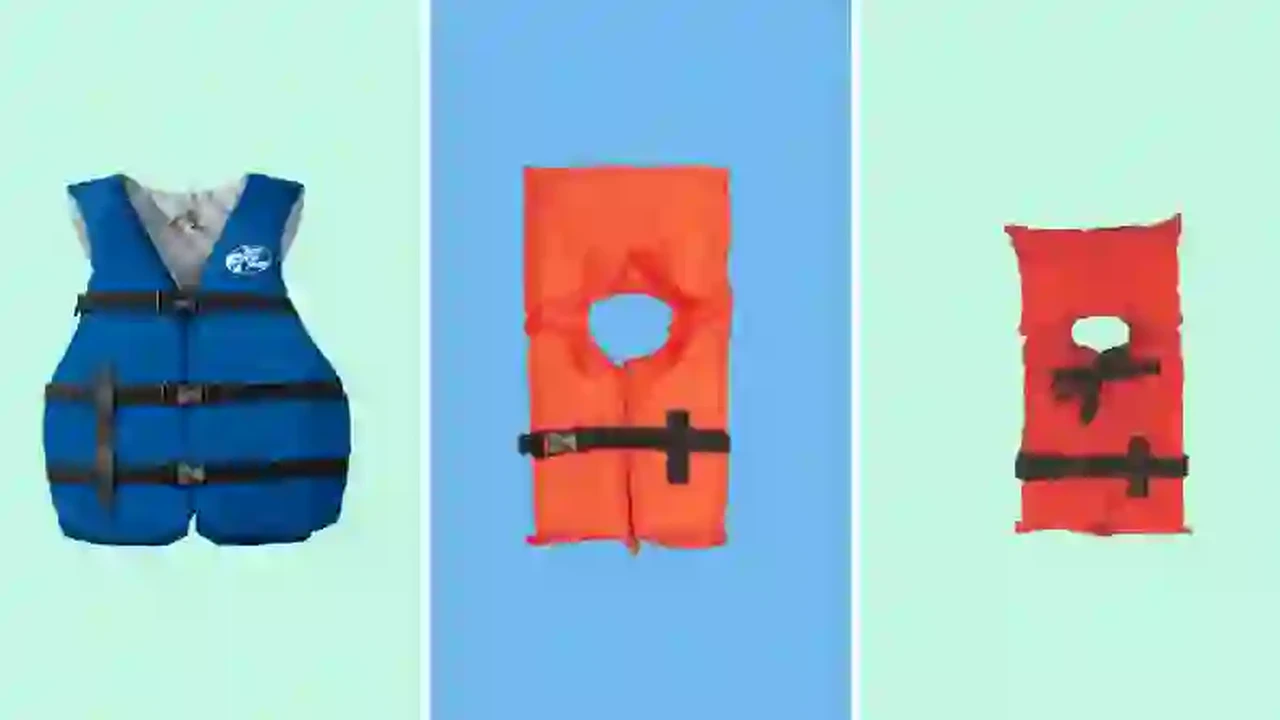
A detailed comparison of the best life jackets for water safety. Explore buoyancy, comfort, and fit for various water sports activities.
Comparing the Best Life Jackets for Water Safety
Hey there, fellow water enthusiasts! Whether you're a seasoned kayaker, a casual paddleboarder, or just love a good swim, one piece of gear is absolutely non-negotiable: a life jacket, also known as a Personal Flotation Device (PFD). It's not just about following regulations; it's about your safety and peace of mind on the water. But with so many options out there, how do you pick the right one? That's exactly what we're diving into today. We'll break down the different types, what to look for, and even recommend some top picks for various water sports and budgets.
Understanding Life Jacket Types and USCG Ratings
Before we get into specific models, let's talk about the different types of PFDs, as classified by the U.S. Coast Guard (USCG). These ratings are crucial because they tell you about the PFD's intended use and buoyancy level. Knowing these will help you narrow down your choices significantly.
Type I Offshore Life Jackets for Extreme Conditions
These are your heavy-duty PFDs, designed for rough, open, or remote waters where rescue might be delayed. They offer the most buoyancy and are designed to turn an unconscious person face-up in the water. Think offshore sailing or commercial fishing. They're bulky but incredibly effective when you need maximum flotation.
Type II Near-Shore Buoyant Vests for Calm Waters
Type II PFDs are good for calm, inland waters where a quick rescue is likely. They're less bulky than Type I but may not turn an unconscious person face-up in all situations. These are common for recreational boating and fishing on lakes or calm rivers.
Type III Flotation Aids for Active Water Sports
This is probably the most common type you'll see for active water sports like kayaking, canoeing, paddleboarding, and waterskiing. Type III PFDs are designed for comfort and mobility, allowing for a full range of motion. They offer the same minimum buoyancy as Type II but are not guaranteed to turn an unconscious person face-up. You need to be conscious and able to assist in your own rescue. They come in various styles, including vest-style and inflatable options.
Type IV Throwable Devices for Emergency Situations
These are not worn but are designed to be thrown to a person in the water. Think of ring buoys or boat cushions. They're a great backup but should never replace a wearable PFD.
Type V Special Use Devices for Specific Activities
Type V PFDs are designed for specific activities and often combine features of other types. This category includes PFDs for waterskiing, whitewater rafting, or even work vests. They must be worn to be considered a PFD and are approved for specific activities only.
Key Features to Consider When Choosing a Life Jacket
Beyond the USCG type, several other factors play a huge role in how comfortable, safe, and effective your life jacket will be. Let's break down the most important ones.
Buoyancy and Flotation for Water Safety
This is the primary function of a PFD. Buoyancy is measured in pounds of flotation. The more buoyancy, the more lift you'll get. While USCG ratings provide a minimum, some PFDs offer more. Consider your body weight and the type of water you'll be in. If you're a heavier person or plan to be in rougher waters, more buoyancy is always better.
Comfort and Fit for Extended Wear
A life jacket is only effective if you wear it! And you'll only wear it if it's comfortable. Look for adjustable straps (shoulders, sides, waist) to ensure a snug fit. A PFD that's too loose can ride up around your ears, which is both uncomfortable and unsafe. Women might look for PFDs with specific designs for a better fit around the bust. Try it on, sit down, move your arms, and make sure it doesn't chafe or restrict your movement.
Mobility and Range of Motion for Paddling and Fishing
If you're kayaking, paddleboarding, or fishing, you need a PFD that doesn't get in the way of your paddling stroke or casting. Look for PFDs with larger armholes, thinner back panels (especially for kayak seats), or even inflatable options that offer maximum freedom of movement when not inflated.
Material and Durability for Longevity
Most PFDs are made from durable nylon or polyester fabrics. Look for strong zippers, reinforced stitching, and quality buckles. Neoprene PFDs offer a snugger fit and are often preferred for watersports where a close fit is desired, like waterskiing or wakeboarding. Consider UV resistance if you'll be spending a lot of time in the sun.
Pockets and Features for Convenience
Many PFDs come with handy features. Pockets are great for storing small essentials like sunscreen, snacks, or a whistle. Some have attachment points for knives, lights, or hydration packs. Reflective accents are excellent for visibility, especially if you'll be on the water at dawn, dusk, or in low-light conditions.
Entry System: Zipper, Buckle, or Pullover
How you get into your PFD matters for convenience. Front-zip PFDs are easy to put on and take off. Buckle-only PFDs are often more affordable but can be less secure. Pullover PFDs offer a very secure fit but can be a struggle to get on and off, especially when wet.
Top Life Jacket Recommendations for Various Water Activities
Alright, let's get to some specific recommendations! We've picked out some highly-rated PFDs that excel in different categories, giving you a good starting point for your search.
Best All-Around Recreational PFD: NRS Chinook Fishing PFD
The NRS Chinook is a legendary PFD, especially popular among anglers, but it's fantastic for anyone who wants comfort and features. It's a Type III PFD, offering excellent mobility for paddling and casting.
- Key Features: This PFD is packed with pockets – seriously, so many pockets! You'll find multiple zippered pockets, a tool attachment point, a rod holder, and even a D-ring for your net. The mesh lower back is a game-changer for comfort in high-back kayak seats, preventing bunching. It also has a knife lash tab and reflective accents.
- Use Case: Perfect for kayak fishing, recreational kayaking, canoeing, and general boating where you want to keep essentials close at hand. Its comfort makes it suitable for long days on the water.
- Comparison: While it's pricier than basic PFDs, its superior comfort, storage, and durability make it a worthwhile investment for frequent users. It offers more features than a standard recreational vest.
- Estimated Price: $150 - $180 USD
Best for Kayaking and Paddleboarding: Astral Ronny PFD
Astral is known for its innovative designs that prioritize comfort and performance. The Ronny is a Type III PFD that's a favorite among paddlers for its low-profile design and excellent ventilation.
- Key Features: The Ronny features Astral's Airescape™ technology, which uses a mesh back and sculpted foam panels for incredible breathability, reducing sweat buildup. It has a large front pocket with internal organization and a smaller zippered pocket. The self-locking zippers are a nice touch. Its thin back panel works perfectly with high-back seats.
- Use Case: Ideal for recreational kayaking, stand-up paddleboarding (SUP), and canoeing where freedom of movement and ventilation are paramount. Great for warm weather paddling.
- Comparison: Compared to bulkier PFDs, the Ronny offers superior comfort and less restriction for active paddling. It's a step up in design and materials from entry-level vests.
- Estimated Price: $130 - $160 USD
Best Budget-Friendly Option: Onyx General Purpose Life Vest
If you're looking for a reliable, no-frills PFD that meets USCG requirements without breaking the bank, the Onyx General Purpose Life Vest is a solid choice. It's a Type III PFD.
- Key Features: Simple, durable nylon construction with adjustable straps for a secure fit. It's lightweight and offers good mobility for basic recreational activities. It comes in various sizes, including universal adult sizes.
- Use Case: Excellent for casual boating, fishing from a dock, or as a spare PFD for guests on your boat. Perfect for those who need a functional PFD for occasional use.
- Comparison: While it lacks the advanced features and specialized comfort of higher-end PFDs, it provides essential safety at an unbeatable price point. It's a step above basic Type II vests in terms of comfort for active use.
- Estimated Price: $30 - $50 USD
Best Inflatable PFD: Mustang Survival HIT Inflatable PFD
Inflatable PFDs (Type V) offer maximum freedom of movement and are incredibly popular for activities where a traditional vest might feel restrictive, like sailing, fishing, or even some forms of paddleboarding. The Mustang Survival HIT (Hydrostatic Inflator Technology) is a top-tier choice.
- Key Features: The HIT system automatically inflates when submerged in 4 inches or more of water, but it's designed to prevent accidental inflation from spray or rain. It also has a manual inflation cord. Once inflated, it provides a high level of buoyancy (35 lbs, compared to 15.5 lbs for most foam PFDs). It's very low profile when not inflated, making it comfortable for all-day wear.
- Use Case: Ideal for offshore fishing, sailing, powerboating, or any activity where you want minimal bulk and maximum buoyancy when needed. Note: Inflatable PFDs require regular inspection and re-arming kits after inflation.
- Comparison: Offers significantly more buoyancy and less bulk than traditional foam PFDs. The automatic inflation feature is a major safety advantage over manual-only inflatables. It's a premium product for serious water users.
- Estimated Price: $250 - $350 USD (plus re-arming kits)
Best for Whitewater Rafting and Kayaking: Kokatat HustleR PFD
For the adrenaline junkies hitting the rapids, a PFD designed for whitewater is essential. The Kokatat HustleR is a Type V PFD built for the demands of whitewater paddling.
- Key Features: This PFD features a low-profile design that doesn't interfere with paddling strokes or rolling. It has a large, easy-access front pocket, a knife lash tab, and a sturdy rescue harness option (for swiftwater rescue professionals or those trained in its use). The foam is strategically placed for maximum buoyancy and impact protection without hindering movement.
- Use Case: Specifically designed for whitewater kayaking, rafting, and swiftwater rescue. Its robust construction and secure fit are crucial in dynamic water environments.
- Comparison: Offers superior impact protection and a more secure fit than recreational PFDs, which is vital in whitewater. Its design is optimized for aggressive paddling and potential swims in turbulent water.
- Estimated Price: $200 - $250 USD
Best for Kids: Stohlquist Youth PFD
Getting kids the right PFD is paramount. The Stohlquist Youth PFD is designed specifically for younger paddlers, ensuring a safe and comfortable fit.
- Key Features: Features a wrap-around flotation design that provides excellent stability and helps keep a child's head above water. It has a large neck opening for comfort and easy donning, plus a grab handle for quick retrieval. The adjustable straps ensure a snug fit as they grow. Bright colors enhance visibility.
- Use Case: Perfect for children learning to swim, recreational boating, kayaking, and general water play. Available in various sizes for different weight ranges (e.g., infant, child, youth).
- Comparison: Unlike adult PFDs scaled down, this is designed from the ground up for a child's body, offering better fit and safety features like the grab handle.
- Estimated Price: $50 - $70 USD
Maintenance and Care for Your Life Jacket
Once you've invested in a good life jacket, you want it to last and perform when you need it most. Proper care is simple but essential.
Cleaning and Drying Your PFD
After each use, especially in saltwater, rinse your PFD thoroughly with fresh water. Hang it to air dry completely in a well-ventilated area, out of direct sunlight. Never store a wet PFD, as this can lead to mildew, which degrades the fabric and foam over time. Avoid harsh detergents or bleach; a mild soap and water solution is usually sufficient for cleaning.
Storage Tips for Longevity
Store your PFD in a cool, dry place, away from direct sunlight and extreme temperatures. Don't store it compressed under heavy objects, as this can damage the foam and reduce its buoyancy. Hanging it up or laying it flat is ideal. Check for any signs of wear and tear before each outing.
Inspecting Your Life Jacket for Wear and Tear
Regularly inspect your PFD for any signs of damage. Look for tears, rips, or punctures in the fabric. Check the zippers, buckles, and straps to ensure they are all in good working order and not frayed or cracked. Squeeze the foam to check for any signs of waterlogging or degradation. If you notice any significant damage, it's time to replace your PFD. For inflatable PFDs, follow the manufacturer's instructions for regular inspection and re-arming.
Final Thoughts on Choosing Your Perfect PFD
Choosing the best life jacket isn't just about picking the prettiest color or the cheapest option. It's about understanding your needs, the type of water activities you'll be doing, and prioritizing safety and comfort. A well-fitting, properly maintained PFD is your most important piece of safety gear on the water. So, take the time to try on different models, consider the features that matter most to you, and invest in a PFD that you'll actually want to wear every time you hit the water. Stay safe out there!
:max_bytes(150000):strip_icc()/277019-baked-pork-chops-with-cream-of-mushroom-soup-DDMFS-beauty-4x3-BG-7505-5762b731cf30447d9cbbbbbf387beafa.jpg)