Essential Outdoor Socks for Blister Prevention
Review of essential outdoor socks for blister prevention. Learn about cushioning, moisture-wicking properties, and fit for hiking and camping.
Review of essential outdoor socks for blister prevention. Learn about cushioning, moisture-wicking properties, and fit for hiking and camping.
Essential Outdoor Socks for Blister Prevention Your Ultimate Guide
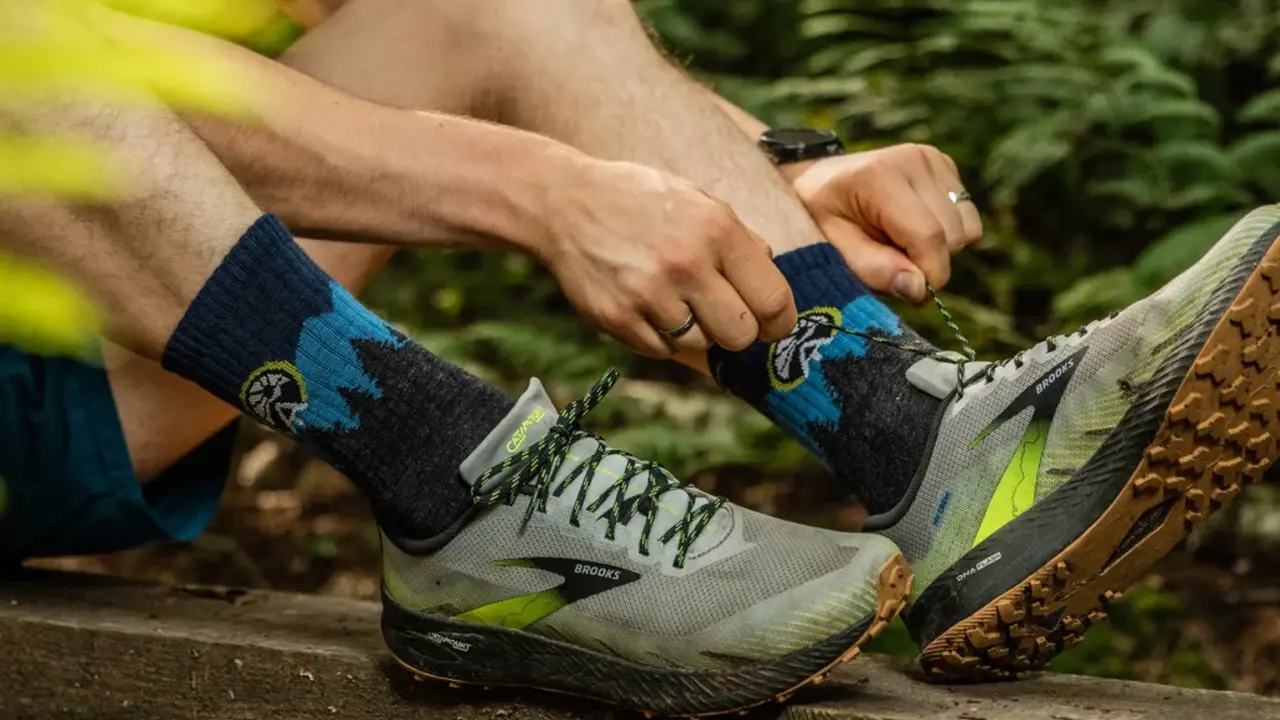
Hey there, fellow adventurers! Let's talk about something super important, yet often overlooked when gearing up for the great outdoors: your socks. Seriously, the right pair of socks can make or break your hiking, camping, or even just a long walk in the park experience. We're not just talking about keeping your feet warm or cool; we're diving deep into the world of blister prevention, moisture management, and overall foot happiness. Because let's be real, a blister can turn an epic adventure into a painful slog faster than you can say 'ouch!'
So, why are outdoor socks so crucial? Think about it: your feet are taking a beating out there. They're sweating, rubbing against your boots, and constantly adapting to uneven terrain. Regular cotton socks? Forget about it. They absorb moisture like a sponge, stay wet, and create a perfect storm for friction and blisters. That's why investing in high-quality outdoor socks designed for performance is a game-changer. We're going to break down everything you need to know, from materials and cushioning to fit and specific recommendations for different activities. Get ready to give your feet the love they deserve!
Understanding the Enemy Blisters and How Socks Fight Back
Before we get into the good stuff, let's quickly understand why blisters happen. It's primarily due to friction, moisture, and heat. When your skin rubs against a surface (like your shoe or a wet sock), it creates friction. This friction, especially when combined with moisture from sweat, causes the outer layers of your skin to separate from the inner layers, filling with fluid – boom, you've got a blister. Good outdoor socks are engineered to combat all three of these factors.
Moisture Wicking Properties The Secret to Dry Feet
This is perhaps the most critical feature of any good outdoor sock. Moisture-wicking fabrics pull sweat away from your skin and transfer it to the outer surface of the sock, where it can evaporate. This keeps your feet dry, significantly reducing friction and the likelihood of blisters. Cotton, as mentioned, is the absolute worst for this. You want materials that actively manage moisture.
Cushioning and Padding Strategic Comfort Zones
While moisture-wicking keeps you dry, cushioning provides comfort and reduces impact. But it's not just about having a thick sock. Strategic padding in high-impact areas like the heel, ball of the foot, and around the toes can absorb shock and prevent hot spots from developing. Different activities require different levels of cushioning, which we'll explore.
Fit and Construction No Bunching, No Rubbing
A well-fitting sock is paramount. Too loose, and it bunches up, creating friction points. Too tight, and it can restrict circulation and cause discomfort. Outdoor socks are often designed with anatomical fits, arch support, and seamless toe closures to minimize rubbing and maximize comfort. The way a sock is constructed, from its knit pattern to its elasticity, plays a huge role in its performance.
Key Materials for Superior Outdoor Socks
When you're shopping for outdoor socks, you'll primarily encounter a few key materials, each with its own strengths. Understanding these will help you pick the perfect pair for your needs.
Merino Wool The All-Round Champion
Merino wool is often considered the gold standard for outdoor socks, and for good reason. It's incredibly soft (no itch!), naturally moisture-wicking, and surprisingly breathable. What's more, merino wool has natural odor-resistant properties, which is a huge plus on multi-day trips. It also provides excellent temperature regulation, keeping your feet warm in cold conditions and cool in warm conditions. It's a bit pricier, but the comfort and performance are usually worth it.
Synthetic Blends Durability and Quick Drying
Synthetic materials like polyester, nylon, and spandex are often blended to create highly effective outdoor socks. They excel at moisture-wicking and are generally more durable and faster-drying than merino wool. They also tend to be more affordable. While they might not have the natural odor resistance of merino, many synthetic socks are treated with antimicrobial finishes to combat smell. They're a great choice for high-intensity activities where quick drying is essential.
Blends The Best of Both Worlds
Many top-tier outdoor socks use a blend of merino wool and synthetics. This combination leverages the best properties of both: the comfort and odor resistance of merino, combined with the durability and quick-drying capabilities of synthetics. This often results in a highly versatile and high-performing sock.
Choosing the Right Sock Thickness and Cushioning for Your Activity
Socks aren't one-size-fits-all. The level of cushioning you need depends heavily on the activity you're doing and the type of footwear you're wearing.
Liner Socks The First Line of Defense
These are thin, moisture-wicking socks worn directly against the skin, underneath a thicker outer sock. They're designed to pull moisture away from your foot, reducing friction between your skin and the outer sock. Great for preventing blisters on long hikes or if you're prone to excessive sweating. They are typically made from synthetic materials or thin merino wool.
Lightweight or Thin Socks For Warm Weather and Minimalist Footwear
These socks offer minimal cushioning but still provide excellent moisture-wicking. They're ideal for warm weather hiking, trail running, or activities where you want maximum breathability and feel for the ground. Think light day hikes or casual walks. They fit well in snug-fitting shoes.
Midweight or Medium Cushion Socks The Versatile Performer
This is probably the most popular category for general hiking and backpacking. Midweight socks offer a good balance of cushioning, warmth, and moisture-wicking. They provide enough padding for comfort on longer trails without being overly bulky. Perfect for three-season hiking and a wide range of outdoor activities.
Heavyweight or Maximum Cushion Socks For Cold and Rugged Terrain
These are the thickest and most cushioned socks, designed for cold weather, long expeditions, or when carrying heavy loads. They provide maximum warmth, shock absorption, and protection. Best used with hiking boots that have enough room to accommodate their bulk. Ideal for winter hiking, mountaineering, or multi-day backpacking trips in challenging conditions.
Top Picks for Essential Outdoor Socks Product Recommendations
Alright, let's get to some specific recommendations. These brands consistently deliver high-quality outdoor socks that adventurers swear by. We'll look at a few popular models and their ideal use cases.
Darn Tough Hiker Micro Crew Cushion The Indestructible Favorite
Why it's great: Darn Tough socks are legendary for their durability and comfort. Made in Vermont, USA, they come with an unconditional lifetime guarantee – if they wear out, Darn Tough replaces them, no questions asked. The Hiker Micro Crew Cushion is a fantastic all-rounder, perfect for day hikes and backpacking. It features a blend of merino wool, nylon, and Lycra spandex, offering excellent moisture-wicking, breathability, and just the right amount of cushioning. The micro crew height provides good coverage above your hiking boots, preventing debris from getting in. They hug your foot without being too tight, minimizing bunching and hot spots.
Ideal Use: Day hiking, multi-day backpacking, general outdoor activities in moderate to cool conditions.
Key Features: Merino wool blend, seamless construction, true seamless toe, performance fit, fast action wicking, naturally antimicrobial, unconditional lifetime guarantee.
Price Range: Typically around $20-$25 USD per pair.
Comparison: Compared to other brands, Darn Tough often feels a bit more robust and has a slightly denser knit. Their lifetime warranty is a huge differentiator.
Smartwool PhD Outdoor Light Crew The Performance Powerhouse
Why it's great: Smartwool is another giant in the merino wool sock world. The PhD Outdoor Light Crew is designed for performance, featuring their Indestructawool technology for enhanced durability and a 4 Degree Elite Fit System for a dialed-in, blister-free fit. It's a lighter cushion option, making it great for warmer weather or when you prefer a less bulky feel in your boots. The merino wool blend ensures excellent moisture management and temperature regulation. They also incorporate mesh ventilation zones for added breathability.
Ideal Use: Warm weather hiking, trail running, fast-and-light backpacking, general outdoor activities where breathability is key.
Key Features: Merino wool blend, Indestructawool technology, 4 Degree Elite Fit System, mesh ventilation zones, virtually seamless toe, light cushioning.
Price Range: Typically around $18-$22 USD per pair.
Comparison: Smartwool often feels a bit softer and more plush than Darn Tough, especially in their lighter cushion models. They focus heavily on anatomical fit and targeted cushioning.
Balega Blister Resist Quarter The Runner's Choice for Blister Prevention
Why it's great: While often associated with running, Balega's Blister Resist socks are fantastic for any outdoor activity where blister prevention is paramount. They use a unique blend of natural mohair and Drynamix (a synthetic moisture-wicking fiber). Mohair is incredibly soft and smooth, reducing friction, while Drynamix wicks away moisture. The quarter length is popular for trail running shoes or low-cut hiking shoes. They feature a seamless toe and a deep heel pocket for a secure fit.
Ideal Use: Trail running, fast hiking, day hikes, activities where you're prone to blisters and prefer a lower-cut sock.
Key Features: Mohair and Drynamix blend, seamless toe, deep heel pocket, V-Tech Arch Support System, medium cushioning.
Price Range: Typically around $15-$18 USD per pair.
Comparison: Balega's unique mohair blend sets it apart, offering a distinct feel and exceptional friction reduction. They tend to be very plush and comfortable right out of the package.
REI Co-op Merino Wool Hiking Crew Socks The Value Pick
Why it's great: If you're looking for a solid, reliable merino wool hiking sock without breaking the bank, REI's own brand socks are an excellent choice. They offer a good blend of merino wool, nylon, and spandex, providing decent moisture-wicking, cushioning, and comfort for general hiking and camping. While they might not have all the advanced features of Darn Tough or Smartwool, they deliver great performance for their price point, making them a fantastic entry-level or budget-friendly option.
Ideal Use: Casual hiking, camping, everyday wear, a good starter sock for new adventurers.
Key Features: Merino wool blend, cushioned sole, arch support, reinforced heel and toe.
Price Range: Typically around $12-$15 USD per pair.
Comparison: Offers comparable comfort and performance to more expensive brands for general use, but might not hold up as long under extreme conditions or offer the same level of specialized fit systems.
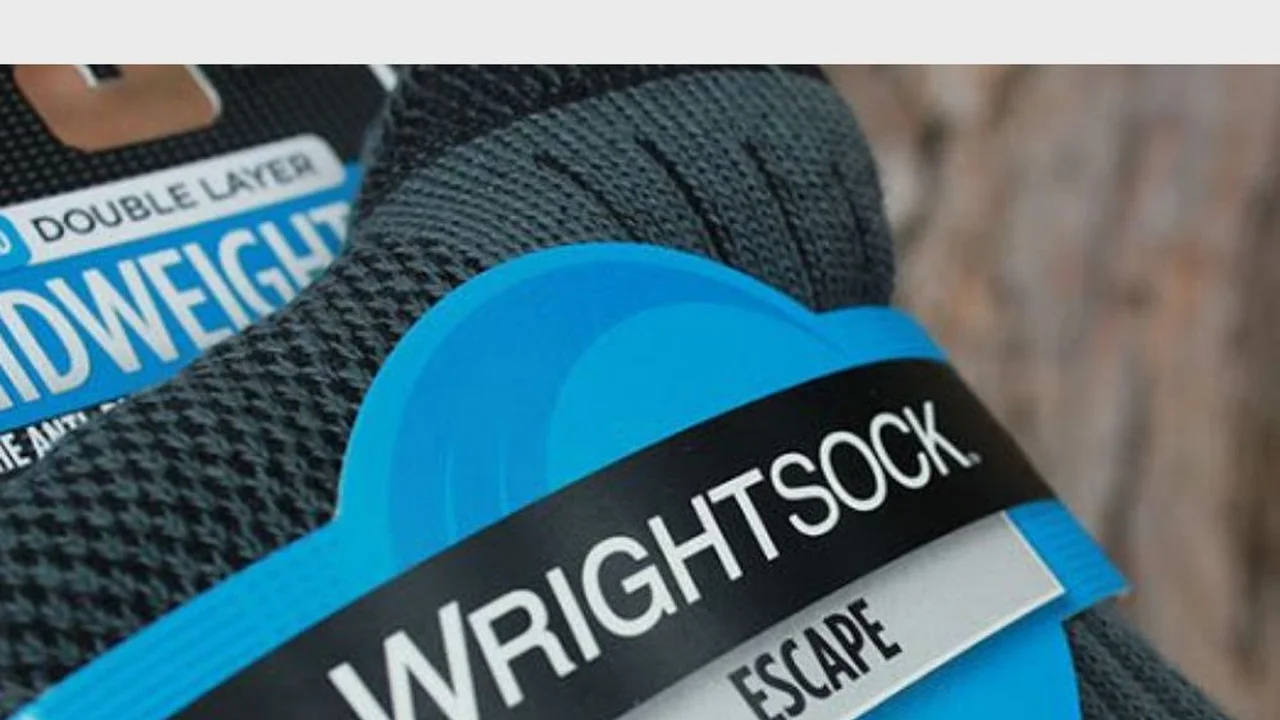
Wrightsock Coolmesh II Crew The Double-Layer Advantage
Why it's great: Wrightsock takes a different approach to blister prevention with its patented double-layer design. The inner layer stays with your foot, while the outer layer moves with your shoe, effectively absorbing friction between the two layers rather than on your skin. The Coolmesh II is a lightweight option, great for warmer conditions, made from a polyester blend. This design is incredibly effective for people who are highly prone to blisters, regardless of the activity.
Ideal Use: Anyone prone to blisters, long-distance running, hiking, walking, hot weather activities.
Key Features: Double-layer construction, Dri-Wright polyester blend, mesh panels for ventilation, seamless toe.
Price Range: Typically around $14-$18 USD per pair.
Comparison: Unique double-layer design is its main selling point, offering a different mechanism for blister prevention compared to single-layer merino or synthetic socks. They might feel a bit different on the foot due to the two layers.
Tips for Maximizing Sock Performance and Preventing Blisters
Even the best socks need a little help to do their job perfectly. Here are some pro tips to keep your feet happy and blister-free:
Break in Your Boots and Socks Together
Never wear brand new socks with brand new boots on a long hike. Always break them in together on shorter walks first. This allows both the socks and the boots to conform to your feet and identify any potential hot spots before they become full-blown blisters.
Choose the Right Shoe Fit
Your socks can only do so much if your shoes don't fit properly. Make sure your hiking boots or shoes aren't too tight (which can cause pressure points) or too loose (which allows your foot to slide around, creating friction). Try on shoes with the type of socks you plan to wear.
Keep Your Feet Clean and Dry
Before and during your activity, try to keep your feet as clean and dry as possible. If you're on a multi-day trip, consider bringing a second pair of socks to change into halfway through the day, or at least at camp. Airing out your feet and socks can make a huge difference.
Trim Your Toenails
Long toenails can rub against the inside of your shoes or the sock, leading to discomfort and even blisters under the nail. Keep them trimmed short and filed smooth.
Consider Liner Socks
If you're particularly prone to blisters, or if you're going on a very long hike, wearing a thin liner sock underneath your main hiking sock can provide an extra layer of friction protection. The liner sock wicks moisture away, and any rubbing occurs between the two sock layers, not on your skin.
Address Hot Spots Immediately
If you feel a 'hot spot' developing – a tender, red area on your foot that indicates friction – stop immediately. Take off your shoe and sock, and apply moleskin or athletic tape to the area. This can prevent a blister from forming. Don't wait until it's too late!
Wash Your Socks Properly
Follow the care instructions on your socks. For merino wool, typically wash on a gentle cycle with cold water and air dry or tumble dry on low. Proper washing helps maintain their moisture-wicking properties and extends their lifespan.
Final Thoughts on Foot Happiness
Investing in high-quality outdoor socks is one of the smartest decisions you can make for your comfort and enjoyment in the outdoors. They're not just an accessory; they're an essential piece of gear that directly impacts your performance and well-being on the trail. By understanding the different materials, cushioning levels, and fit considerations, you can confidently choose the perfect pair to keep your feet happy, dry, and blister-free on all your adventures. So go ahead, treat your feet to some awesome socks, and hit the trails with confidence!
:max_bytes(150000):strip_icc()/277019-baked-pork-chops-with-cream-of-mushroom-soup-DDMFS-beauty-4x3-BG-7505-5762b731cf30447d9cbbbbbf387beafa.jpg)