{ "article": [ { "title": "The 3 Best Insect Repellent Clothing for Outdoors", "meta_description": "Protect yourself from bugs with the 3 best insect repellent clothing for outdoors. Explore permethrin-treated fabrics and effective designs.", "content": "Protect yourself from bugs with the 3 best insect repellent clothing for outdoors. Explore permethrin-treated fabrics and effective designs.\n\n
\n\n
Why Insect Repellent Clothing is a Game Changer for Outdoor Enthusiasts
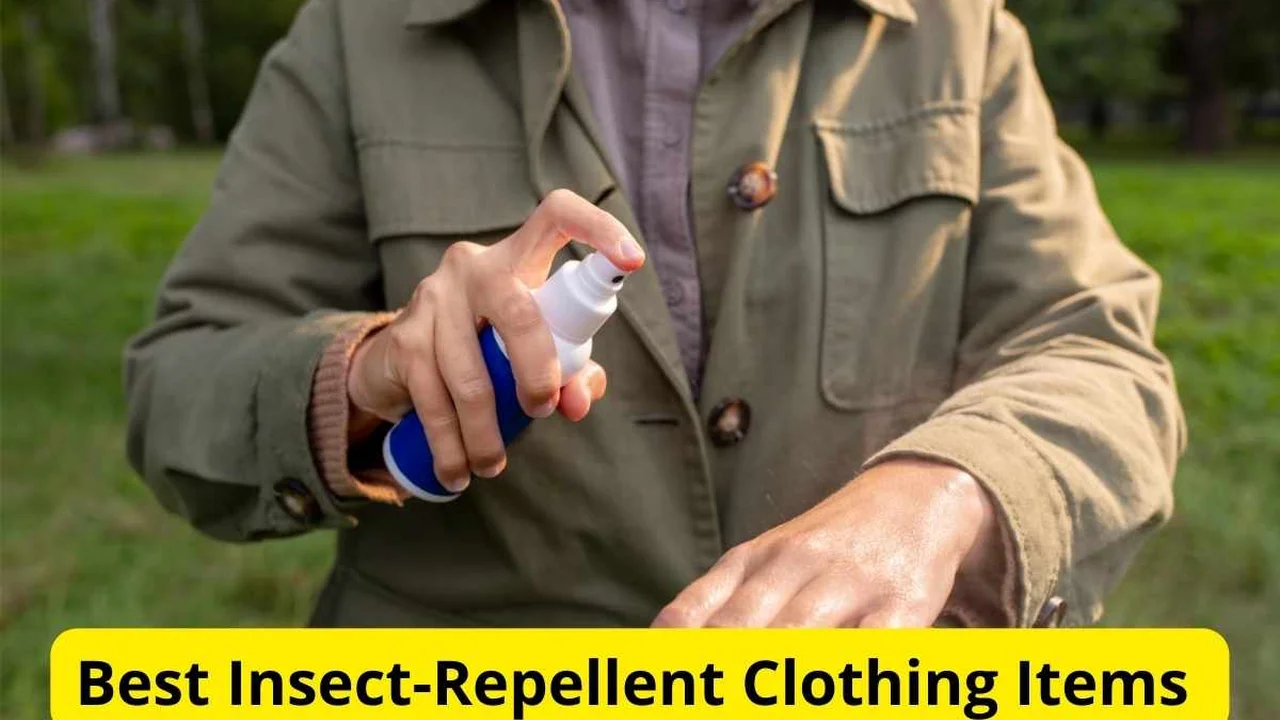
\n\nLet's be real, nothing ruins a beautiful day outdoors faster than a swarm of buzzing, biting insects. Mosquitoes, ticks, gnats, and flies aren't just annoying; they can carry diseases like Lyme disease, West Nile virus, and Zika. While sprays and lotions are effective, they can be messy, need frequent reapplication, and sometimes have an unpleasant smell. That's where insect repellent clothing steps in as a true game-changer. Imagine hiking, camping, fishing, or just enjoying your backyard without constantly swatting or worrying about bites. This specialized apparel is treated with permethrin, a synthetic insecticide that's highly effective at repelling and even killing insects on contact. It's bonded to the fabric, meaning it lasts for dozens of washes, providing long-lasting, odorless protection without the need for topical applications. This means less hassle, more comfort, and greater peace of mind when you're out in nature.\n\n
Understanding Permethrin Treated Fabrics and Their Effectiveness
\n\nSo, how does this magic fabric work? Permethrin is a synthetic pyrethroid, a class of chemicals similar to natural pyrethrins found in chrysanthemum flowers. When insects come into contact with permethrin-treated fabric, it affects their nervous system, causing a 'hot foot' effect that makes them fly or crawl away. In many cases, it can even kill them. The beauty of permethrin-treated clothing is that the repellent is tightly bonded to the fabric fibers, making it durable and long-lasting. Most brands claim effectiveness for up to 70 washes, which is a significant amount of wear for outdoor gear. It's also odorless once dry, so you won't smell like bug spray. For humans, permethrin is considered safe when applied to clothing, as it has very low absorption through the skin. It's even recommended by the CDC for preventing mosquito and tick bites. This makes it an excellent choice for anyone spending extended time in bug-prone areas, from casual gardeners to serious backcountry adventurers.\n\n
Top Pick 1: Insect Shield Permethrin Treated Apparel
\n\n
Insect Shield Technology and Product Range
\n\nInsect Shield is arguably the most well-known name in permethrin-treated clothing. They've perfected the process of bonding permethrin to fabric, ensuring long-lasting, effective protection. Their technology is used by numerous outdoor brands, so you'll find Insect Shield treated items from companies like Columbia, ExOfficio, and Buff. What sets Insect Shield apart is their commitment to quality and safety; their treatment is EPA registered and proven to be effective against mosquitoes, ticks, ants, flies, chiggers, and midges. Their product range is extensive, covering everything from shirts and pants to socks, hats, and even pet accessories. This allows you to create a full head-to-toe protective barrier.\n\n
Recommended Insect Shield Products and Use Cases
\n\n* Insect Shield Men's/Women's Long-Sleeve Hiking Shirt: These shirts are fantastic for trail use. They're typically lightweight, breathable, and offer UPF sun protection in addition to bug repellency. Ideal for hiking in wooded areas, fishing, or any activity where arm coverage is beneficial. Prices usually range from $60-$90 depending on the brand and features.\n* Insect Shield Permethrin Treated Socks: Often overlooked, but crucial for preventing tick bites around the ankles and lower legs. Great for gardening, hiking through tall grass, or camping. A pair typically costs $15-$25.\n* Insect Shield Bandana/Buff: Versatile and easy to carry, these can be worn around the neck, head, or wrist for added protection. Perfect for quick trips outdoors or as an extra layer of defense. Expect to pay around $15-$20.\n\n
Comparison and Pricing
\n\nInsect Shield's strength lies in its widespread availability through various reputable brands. While the core technology is the same, the specific fabric blends, designs, and features will vary by brand. For example, an ExOfficio BugsAway shirt (which uses Insect Shield) might prioritize travel-friendly features like quick-drying fabric and hidden pockets, while a Columbia PFG shirt might focus on fishing-specific elements. Generally, you're paying a premium for the permethrin treatment, adding about $10-$30 to the cost of a comparable non-treated garment. However, the convenience and effectiveness often justify the price, especially for frequent outdoor adventurers.\n\n
Top Pick 2: ExOfficio BugsAway Collection
\n\n
ExOfficio's Focus on Travel and Adventure
\n\nExOfficio has built a strong reputation for creating travel-friendly clothing, and their BugsAway collection is a natural extension of that. They integrate Insect Shield technology into their already popular designs, focusing on features that make life easier on the go. This means their BugsAway items are often lightweight, quick-drying, wrinkle-resistant, and offer excellent ventilation. They understand that travelers and adventurers need clothing that performs well in diverse climates and situations, and that includes protection from insects without compromising comfort or style. Their aesthetic tends to be more casual and versatile, making their pieces suitable for both trail and town.\n\n
Recommended ExOfficio BugsAway Products and Use Cases
\n\n* ExOfficio BugsAway Lumen/Sol Cool Hoody: These hoodies are incredibly popular for their sun protection (UPF 50+) and insect repellency. The hood provides extra coverage for your neck and ears. Ideal for fishing, kayaking, or any activity where sun and bug protection are paramount. Prices typically range from $75-$100.\n* ExOfficio BugsAway Ziwa Convertible Pants: A classic for travelers, these pants convert into shorts, offering versatility for changing weather and environments. The permethrin treatment makes them perfect for jungle treks, safaris, or any trip to a bug-heavy region. Expect to pay around $90-$120.\n* ExOfficio BugsAway Baja Sur Long Sleeve Shirt: A lightweight, breathable button-up shirt that looks good enough for casual wear but performs on the trail. Great for warm, humid climates where bugs are prevalent. Usually priced between $70-$90.\n\n
Comparison and Pricing
\n\nExOfficio's BugsAway line stands out for its blend of insect protection with travel-specific features. While other brands might offer similar permethrin-treated items, ExOfficio often excels in fabric feel, quick-drying capabilities, and thoughtful design elements like hidden pockets or ventilation panels. Their pricing is generally in the mid-to-high range for outdoor apparel, reflecting the quality of materials and the integrated technology. You're investing in a piece that's not just bug-repellent but also highly functional for travel and active use. The value comes from not needing to carry separate bug sprays and having a comfortable, versatile garment.\n\n
Top Pick 3: Buff Insect Shield Headwear
\n\n
Buff's Versatility Meets Insect Protection
\n\nBuff is synonymous with versatile headwear, and their collaboration with Insect Shield brings a new level of utility to their already popular products. Buffs are seamless, tubular pieces of fabric that can be worn in over 12 different ways – as a neck gaiter, headband, balaclava, face mask, beanie, and more. Integrating Insect Shield technology means these multi-functional accessories now offer targeted insect protection for your head, neck, and face, areas often exposed and vulnerable to bites. This is particularly useful for activities where you might not want to wear a full long-sleeve shirt or for adding an extra layer of defense.\n\n
Recommended Buff Insect Shield Products and Use Cases
\n\n* Buff Original EcoStretch Insect Shield: This is the classic Buff with added permethrin treatment. It's incredibly versatile and perfect for protecting your neck and face from mosquitoes and gnats while hiking, fishing, or gardening. It also offers UPF 50 sun protection. Prices are typically around $25-$30.\n* Buff CoolNet UV+ Insect Shield: Designed for warmer conditions, this Buff is made from a cooling fabric that wicks moisture and offers superior sun protection. Ideal for hot and humid environments where bugs are rampant, like tropical fishing trips or summer hikes. Expect to pay around $28-$35.\n* Buff DryFlx Insect Shield: A warmer option, perfect for cooler weather activities where you still need bug protection. It's designed for high-intensity activities in cold conditions, offering warmth without bulk. Great for early morning trail runs or late-season camping. Usually priced around $30-$40.\n\n
Comparison and Pricing
\n\nBuff's Insect Shield headwear stands out due to its unique versatility and compact size. While a full shirt offers more body coverage, a Buff provides targeted protection for highly exposed areas and can be easily stashed in a pocket. Compared to other insect repellent clothing, Buffs are relatively inexpensive, making them an accessible entry point into permethrin-treated gear. Their value lies in their multi-functionality and the ability to provide quick, effective protection without the bulk of a full garment. They are an excellent addition to any outdoor kit, especially for those who prefer minimalist gear or need flexible protection options.\n\n
Important Considerations When Choosing Insect Repellent Clothing
\n\n
Durability and Wash Cycles
\n\nMost permethrin-treated clothing is designed to last for up to 70 washes. This is a significant number, meaning your garment will likely last for several seasons of regular use before the repellent efficacy starts to diminish. Always check the specific product's care instructions, as improper washing (e.g., using harsh detergents or high heat) can reduce the lifespan of the treatment. Hand washing or using a gentle cycle with mild detergent and air drying can help extend its effectiveness.\n\n
Safety and Skin Contact
\n\nPermethrin is considered safe for use on clothing by the EPA and CDC. It's designed to bind tightly to fabric fibers, meaning very little of it transfers to your skin. For most people, there are no adverse effects. However, if you have extremely sensitive skin or known allergies, it's always wise to test a small area first or consult with a healthcare professional. It's important to note that permethrin-treated clothing is not recommended for infants under two months old, as their skin is more permeable. For older children and adults, it's a highly effective and generally safe alternative to skin-applied repellents.\n\n
Combining with Other Repellents
\n\nWhile insect repellent clothing provides excellent protection, it's not always a complete shield, especially in areas with extremely high insect populations or for exposed skin. For maximum protection, especially in high-risk areas for tick-borne diseases, consider combining permethrin-treated clothing with a skin-applied repellent containing DEET, picaridin, or oil of lemon eucalyptus on any exposed skin. This creates a comprehensive barrier against bites. Remember to apply skin repellents after dressing to avoid contaminating your treated clothing.\n\n
Environmental Impact and Pet Safety
\n\nPermethrin is toxic to cats when wet, so it's crucial to keep wet permethrin-treated clothing away from felines. Once dry, it poses no risk. It's also toxic to aquatic life, so avoid washing these garments directly in natural water sources. The environmental impact of permethrin-treated clothing is generally considered low, as the chemical is tightly bound to the fabric and released in very small quantities over time. Many brands are also moving towards more sustainable manufacturing practices for their base fabrics.\n\n
DIY Permethrin Treatment vs. Pre-Treated Clothing
\n\n
Pros and Cons of DIY Treatment
\n\nIt's possible to treat your own clothing with permethrin sprays (like Sawyer Permethrin Insect Repellent). The main advantage is cost-effectiveness; a single bottle can treat several garments. It also allows you to treat specific items that aren't available pre-treated, like your favorite pair of hiking pants or a backpack. However, DIY treatment typically lasts for fewer washes (around 6-8) compared to factory-treated clothing (up to 70). The application process requires careful attention to ensure even coverage and proper drying, and you need to do it outdoors or in a well-ventilated area. It's a good option for occasional use or for items you don't wash frequently.\n\n
Why Pre-Treated is Often Superior
\n\nFactory pre-treated clothing, like the brands discussed, offers superior durability and convenience. The permethrin is bonded to the fabric fibers using a specialized process that ensures it withstands many more washes. This means less reapplication for you and more consistent protection over the garment's lifespan. While the initial cost might be higher, the long-term value and peace of mind often make pre-treated clothing the better investment for frequent outdoor use. You simply buy it, wear it, and enjoy the bug-free experience without any extra steps.
:max_bytes(150000):strip_icc()/277019-baked-pork-chops-with-cream-of-mushroom-soup-DDMFS-beauty-4x3-BG-7505-5762b731cf30447d9cbbbbbf387beafa.jpg)