Add excitement to your boating with towable tubes. Compare designs, capacity, and durability for thrilling water sports activities.
Add excitement to your boating with towable tubes. Compare designs, capacity, and durability for thrilling water sports activities.
Comparing Towable Tubes for Boating Fun
Understanding Towable Tube Designs and Capacity
Towable tubes are an absolute blast for anyone looking to add an extra layer of excitement to their boating adventures. Whether you're a family with young kids or a group of thrill-seeking adults, there's a towable tube out there that's perfect for you. But with so many designs and capacities available, how do you choose the right one? Let's dive into the different types and what makes them unique.
Deck Tubes: The Classic Thrill Ride
Deck tubes, often called 'flat tubes' or 'disc tubes,' are probably what most people picture when they think of towable tubes. Riders lie flat on their stomachs, holding onto handles, and are whipped across the water. These tubes offer a fast, exhilarating ride, often bouncing and skipping over waves. They're fantastic for getting air and feeling the spray. Deck tubes typically come in various sizes, from single-rider models to large multi-person options that can accommodate three or four riders side-by-side. The larger the tube, the more stable it tends to be, but it might also be a bit slower to get up on plane.
Cockpit Tubes: Comfort and Security for All Ages
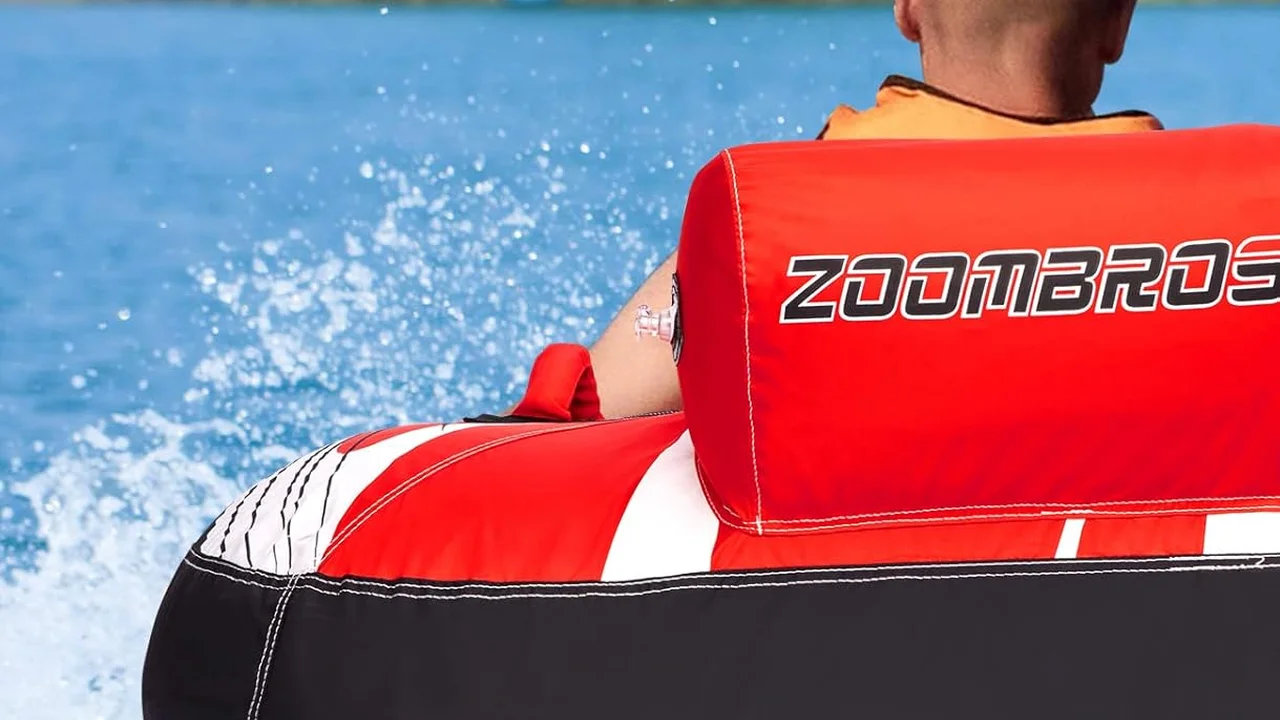
Cockpit tubes, also known as 'sit-in' tubes, are designed with a recessed seating area where riders sit down, often with a backrest. This design provides a more secure and comfortable ride, making them ideal for younger children or those who prefer a less aggressive experience. The lower center of gravity in cockpit tubes means they're less likely to flip, offering a sense of safety while still providing plenty of fun. They usually come in one or two-person configurations, though some larger models exist.
Donut Tubes: Spinning and Swirling Fun
Donut tubes, or 'round tubes,' are circular and allow riders to sit in the middle, often with their legs dangling through a hole. These tubes are known for their ability to spin and swirl, adding a dizzying element to the ride. They're great for a more playful and less intense experience compared to deck tubes. Donut tubes are typically single or double rider, and their simple design makes them easy to store and inflate.
Banana Boats and Multi-Rider Tubes: Group Adventures
For larger groups, banana boats and other multi-rider tubes are the way to go. Banana boats, as the name suggests, are long, banana-shaped inflatables where riders sit astride the tube, one behind the other. They can often hold three to six or even more people, making them perfect for group fun. Other multi-rider tubes come in various shapes, often with multiple seating areas or large deck spaces, designed to accommodate several people simultaneously. These are fantastic for creating shared memories and laughter on the water.
Key Features and Durability for Long-Lasting Fun
When you're investing in a towable tube, you want it to last. Durability is paramount, as these tubes take a beating from the water, sun, and enthusiastic riders. Here are the key features to look for to ensure your tube stands the test of time.
Material Quality: PVC and Nylon Covers
The vast majority of towable tubes are made from heavy-duty PVC (polyvinyl chloride) bladders, which hold the air. This PVC is typically covered by a durable nylon or polyester cover. The quality of this cover is crucial. Look for tubes with a full nylon cover, preferably 840-denier or higher. This denier count indicates the thickness and strength of the fabric. A full nylon cover protects the PVC bladder from punctures, abrasions, and UV degradation, significantly extending the tube's lifespan. Some cheaper tubes might only have partial covers, leaving more of the PVC exposed, which can lead to faster wear and tear.
Stitching and Seams: The Weakest Link?
Pay close attention to the stitching and seams on the nylon cover. Double-stitched or reinforced seams are a sign of good quality and will prevent the cover from tearing under stress. The tow point, where the rope attaches, should also be heavily reinforced with multiple layers of webbing and stitching. This is a high-stress area, so robust construction here is non-negotiable.
Handles and Knuckle Guards: Grip and Comfort
Handles are essential for riders to hold on securely. Look for handles that are made from durable nylon webbing, preferably with neoprene knuckle guards. These guards protect riders' hands from chafing and provide a more comfortable grip, especially during long or bumpy rides. The handles should be securely stitched to the tube cover.
Valves: Inflation and Deflation Efficiency
Most modern towable tubes use Boston valves or similar large-mouth valves. These valves allow for quick inflation and deflation, which is a huge convenience. Ensure the valve cap seals tightly to prevent air leaks. Some tubes might have multiple valves for different air chambers, which can be a good safety feature in case one chamber gets punctured.
Drain Vents: Preventing Waterlogging
Water can sometimes get inside the nylon cover, especially if the tube flips or gets submerged. Look for tubes with drain vents, usually small mesh openings, that allow water to escape. This prevents the tube from becoming waterlogged and heavy, which can affect its performance and make it harder to handle.
Comparing Top Towable Tube Products and Their Use Cases
Let's look at some popular towable tube models and discuss their ideal use cases, features, and approximate pricing. Keep in mind that prices can vary based on retailers, sales, and specific model years.
1. HO Sports Funtube Blast 2
* Design: Deck Tube (2-person)
* Use Case: Perfect for families or pairs looking for a fast, exciting ride. Its low profile makes it easy to get air over wakes. Great for riders who enjoy bouncing and skimming across the water.
* Features: Heavy-duty PVC bladder, 840D nylon cover, Boston valve, quick-connect tow hook, padded handles with knuckle guards.
* Comparison: A classic, reliable choice for a two-person deck tube. It's a step up from basic single-rider tubes, offering more shared fun without being overly large or cumbersome.
* Approximate Price: $180 - $250 USD
2. Airhead Mach 2
* Design: Cockpit Tube (2-person)
* Use Case: Ideal for younger children, beginners, or adults who prefer a more stable and secure ride. The cockpit design provides a sense of safety and comfort, reducing the chance of falling off.
* Features: Heavy-gauge PVC bladder, partial nylon cover (some exposed PVC), comfortable inflatable backrests, padded handles, patented Speed Safety Valve for quick inflation/deflation.
* Comparison: While it has a partial cover, its comfort and stability make it a top choice for families with diverse rider preferences. It's less about extreme thrills and more about enjoyable, secure rides.
* Approximate Price: $150 - $220 USD
3. Sportsstuff Super Mable
* Design: Multi-Position Tube (1-3 person)
* Use Case: One of the most versatile tubes on the market. Riders can sit in the cockpit, lie on the deck, or even ride chariot-style from the back. Excellent for groups with varying preferences, offering both thrilling and relaxed rides.
* Features: Heavy-duty K80 PVC bladder, full 840D nylon cover, multiple foam-filled handles with knuckle guards, dual tow points (front and back), speed safety valve.
* Comparison: The Super Mable is a premium, highly durable, and incredibly versatile tube. Its multiple riding positions justify its higher price point, making it a fantastic all-rounder for any boating group. The dual tow points add to its versatility.
* Approximate Price: $350 - $500 USD
4. Rave Sports Razor 2
* Design: Deck Tube (2-person)
* Use Case: For those who want a fast, low-profile ride with excellent maneuverability. Its unique wing design helps it glide and turn quickly, offering a dynamic experience.
* Features: Heavy-duty PVC bladder, 420D nylon cover (some models may have higher denier), 6 foam-filled handles with neoprene knuckle guards, quick-connect tow point.
* Comparison: The Razor 2 stands out with its unique shape, which enhances its performance on the water. It's a great option if you're looking for something a bit different from the standard deck tube, offering more responsive handling.
* Approximate Price: $200 - $300 USD
5. O'Brien Super Screamer
* Design: Donut Tube (1-person)
* Use Case: Perfect for single riders who love to spin and get dizzy. It's a classic fun tube that's easy to handle and provides a playful ride. Great for kids and adults alike who enjoy a less aggressive, more rotational experience.
* Features: 24-gauge PVC bladder, 420D nylon cover, 4 handles with EVA knuckle guards, Boston valve.
* Comparison: A straightforward, fun single-person donut tube. It's generally more affordable and easier to store than larger multi-person tubes, making it a good entry-level option or an addition to a larger tube collection.
* Approximate Price: $100 - $150 USD
Essential Towable Tube Accessories and Safety Considerations
Having the right accessories and understanding safety protocols are just as important as choosing the right tube. These elements ensure a fun and safe experience for everyone.
Tow Ropes: The Right Connection
Never use a standard ski rope for tubing. Towable tubes require specific tow ropes designed to handle the heavier load and drag. Look for ropes made from polypropylene or polyethylene, with a breaking strength appropriate for your tube's capacity. For example, a 1-2 rider tube might need a 1,500-pound breaking strength rope, while a 3-4 rider tube needs 2,375 pounds or more. Many tow ropes come with a 'booster ball' or 'tow bridle' which helps keep the rope out of the water, reducing drag and preventing it from getting caught in the prop wash.
Air Pumps: Fast Inflation is Key
Inflating a large towable tube by hand is a workout you don't want. An electric air pump is an absolute must-have. Look for 12V DC pumps that can plug into your boat's cigarette lighter or a portable battery pack. High-volume, low-pressure pumps are ideal for tubes, as they move a lot of air quickly. Some pumps also have a deflate function, which is incredibly useful for packing up.
Repair Kits: Be Prepared
Even the most durable tubes can get a small puncture. A basic repair kit, usually included with the tube or sold separately, can save your day. These kits typically contain PVC patches and adhesive. Knowing how to quickly patch a small hole can prevent a minor issue from becoming a major headache.
Life Jackets: Non-Negotiable Safety
Every rider on a towable tube MUST wear a properly fitted U.S. Coast Guard (or equivalent national authority) approved life jacket. This is not optional. Even strong swimmers can be disoriented after falling off a tube, and a life jacket provides crucial buoyancy and visibility. Ensure the life jackets are snug and won't ride up when the person is in the water.
Spotter: An Extra Pair of Eyes
Always have a dedicated spotter in the boat in addition to the driver. The spotter's job is to watch the riders on the tube, communicate with the driver, and signal when a rider falls off. This ensures the driver can focus on operating the boat safely and avoiding obstacles.
Safe Towing Practices: Rules of the Water
* Clear Water: Only tube in open water, away from other boats, swimmers, docks, and shallow areas. Be aware of your surroundings at all times.
* Speed Control: Adjust your speed to the conditions and the riders' experience level. Younger children or beginners will need slower speeds, while experienced riders might enjoy more speed and turns. Never exceed safe towing speeds.
* Communication: Establish clear hand signals between the riders, spotter, and driver before you start. This allows for easy communication about speed, turns, and when someone falls.
* Propeller Safety: Always turn off your boat's engine when riders are entering or exiting the water near the propeller. This is a critical safety measure to prevent serious injuries.
* No Overloading: Adhere to the tube's maximum capacity. Overloading a tube can affect its performance and safety.
* Weather Watch: Avoid tubing in rough water or during storms. Calm water is always best for tubing.
Maintenance and Storage for Longevity
Proper care and storage will significantly extend the life of your towable tube.
Cleaning After Use: Salt and Grime Removal
After each use, especially in saltwater, rinse your tube thoroughly with fresh water. This removes salt, dirt, and any other debris that can degrade the materials over time. Use a mild soap if necessary, but avoid harsh chemicals.
Thorough Drying: Preventing Mildew
Before storing, ensure the tube is completely dry, both the PVC bladder and the nylon cover. Storing a damp tube can lead to mildew growth, which not only smells bad but can also damage the fabric and stitching. Hang it up or lay it out in a shaded, well-ventilated area to dry.
Deflation and Folding: Compact Storage
Fully deflate the tube using your air pump's deflate function. Once deflated, fold it neatly. Avoid sharp creases that can stress the material. Storing it in its original bag or a dedicated storage bag will protect it from dust, pests, and accidental punctures.
Storage Location: Cool and Dry
Store your towable tube in a cool, dry place, away from direct sunlight and extreme temperatures. Garages, sheds, or boat lockers are ideal. Avoid storing it in areas where rodents or insects might chew on the material. Keeping it off concrete floors can also help prevent moisture absorption.
By following these guidelines for choosing, using, and maintaining your towable tube, you're set for countless hours of exhilarating fun on the water. Get ready to make some waves and create unforgettable memories!
:max_bytes(150000):strip_icc()/277019-baked-pork-chops-with-cream-of-mushroom-soup-DDMFS-beauty-4x3-BG-7505-5762b731cf30447d9cbbbbbf387beafa.jpg)