Top 3 Hiking Gaiters for Trail Protection
Protect your feet and lower legs with the top 3 hiking gaiters. Explore materials, fit, and durability for keeping debris out of your boots.
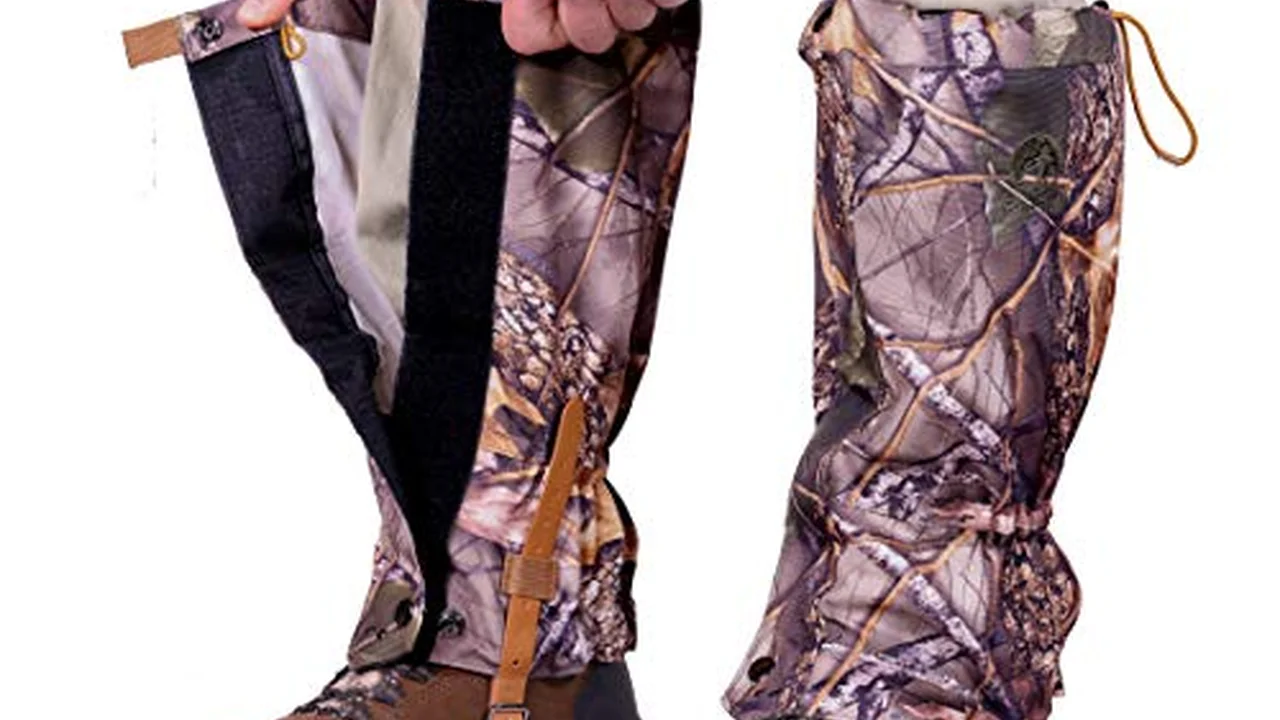
Protect your feet and lower legs with the top 3 hiking gaiters. Explore materials, fit, and durability for keeping debris out of your boots.
Top 3 Hiking Gaiters for Trail Protection
Hey there, fellow adventurers! Let's talk about something often overlooked but incredibly useful for anyone hitting the trails: hiking gaiters. You might be thinking, 'Gaiters? What are those, and do I really need them?' Well, if you've ever had annoying pebbles, dirt, snow, or even ticks sneak into your boots, then you already know the answer. Gaiters are essentially protective sleeves that cover the top of your boots and the lower part of your pants, creating a barrier against all sorts of trail nasties. They're super effective at keeping your feet dry, clean, and comfortable, which can make a huge difference on a long hike or trek.
Whether you're tackling a muddy trail after a rain shower, slogging through snow, or just trying to keep burrs and seeds out of your socks, a good pair of gaiters can be a game-changer. They come in various designs and materials, each suited for different conditions and activities. From lightweight, breathable options for summer hikes to heavy-duty, waterproof models for winter mountaineering, there's a gaiter out there for every type of outdoor enthusiast. In this guide, we're going to dive deep into the world of hiking gaiters, breaking down what makes a great pair, comparing some of the best options on the market, and helping you figure out which ones are perfect for your next adventure.
Understanding Hiking Gaiters What are Gaiters and Why You Need Them
So, what exactly are hiking gaiters? Imagine a protective sleeve that wraps around your ankle and lower calf, extending from just above your boot to mid-calf or even knee-high, depending on the style. They typically secure to your boot with a hook or strap and cinch around your calf to keep them in place. Their primary job is to prevent debris from entering your footwear. This includes everything from small stones and sand to mud, snow, and even pesky insects like ticks. Beyond just keeping stuff out, gaiters also offer an extra layer of protection for your pants and lower legs against abrasions from brush, thorns, or sharp rocks.
Think about it: you're on a beautiful trail, enjoying the scenery, and suddenly you feel a sharp poke in your shoe. You stop, take off your pack, unlace your boot, shake out a tiny pebble, and then repeat the whole process. Annoying, right? Gaiters eliminate this hassle. For winter activities like snowshoeing or cross-country skiing, waterproof gaiters are essential for keeping snow out of your boots and preventing your socks from getting soaked, which can lead to cold feet and even frostbite. In wet or muddy conditions, they keep your pants from getting caked in grime, making cleanup much easier. Plus, for those of us who venture into tick-prone areas, gaiters can provide an extra line of defense, making it harder for these little critters to crawl up your legs.
Types of Hiking Gaiters Choosing the Right Style for Your Adventure
Not all gaiters are created equal. They come in different lengths and materials, each designed for specific conditions. Knowing the different types will help you pick the best ones for your needs.
Low Gaiters for Trail Running and Light Hiking
These are the shortest gaiters, typically covering just the top of your shoe and ankle. They're perfect for trail runners or hikers on well-maintained paths where the main concern is keeping out small debris like sand, dust, or tiny pebbles. They're usually made from lightweight, breathable materials and are designed to be unobtrusive. They offer minimal protection against water or heavy brush but excel at keeping your socks and shoes clean on dry, dusty trails.
Mid-Calf Gaiters for General Hiking and Backpacking
Mid-calf gaiters are the most common and versatile type. They extend further up your calf, offering better protection against mud, light snow, and brush. These are a great all-around choice for general hiking, backpacking, and even some light snowshoeing. They often feature more durable materials and some level of water resistance, making them suitable for a wider range of conditions than low gaiters.
High Gaiters for Snow, Bushwhacking, and Mountaineering
These are the heavy-duty champions of the gaiter world. High gaiters extend up to just below your knee, providing maximum protection. They are typically made from robust, waterproof, and breathable fabrics like Gore-Tex or similar membranes. High gaiters are indispensable for deep snow, bushwhacking through dense vegetation, or mountaineering where you need serious protection against the elements and sharp objects. They often have more robust instep straps and lacing hooks to ensure they stay securely in place in challenging conditions.
Key Features to Consider When Buying Hiking Gaiters
When you're ready to buy a pair of gaiters, there are several important features to look for to ensure you get the best fit and performance for your adventures.
Material and Durability
The material of your gaiters dictates their durability, breathability, and water resistance. Common materials include:
- Nylon and Polyester: These are common for general-purpose gaiters. They offer good abrasion resistance and can be treated with DWR (Durable Water Repellent) for water resistance.
- Gore-Tex or eVent: For serious waterproof and breathable performance, look for gaiters made with these membrane fabrics. They're essential for wet, snowy, or muddy conditions, allowing sweat vapor to escape while keeping external moisture out.
- Hypalon: This is a very durable, rubber-like material often used for the instep strap (the strap that goes under your boot). It's highly resistant to abrasion and tearing.
Water Resistance and Breathability
This is a crucial balance. You want gaiters that keep water out but also allow your legs to breathe, preventing sweat buildup. For wet conditions, look for fully waterproof and breathable membranes. For dry, dusty trails, breathability might be more important than waterproofing.
Fit and Sizing
Gaiters need to fit snugly around your boots and calves without being too tight or too loose. Most gaiters come in S, M, L, XL sizes, and some brands offer specific sizing based on boot size or calf circumference. A good fit prevents debris from entering and keeps the gaiters from sagging or flapping around. Look for adjustable top closures (drawstrings or elastic) and a secure fit around the ankle.
Closure System
How gaiters close is important for ease of use and security. Common closure systems include:
- Front Velcro Closure: Many gaiters feature a full-length Velcro strip down the front, often with a snap closure at the bottom. This makes them easy to put on and take off.
- Zipper Closure: Some gaiters use zippers, sometimes protected by a storm flap. Zippers can be more secure but might be harder to operate with gloves on.
- Lace Hook: A small hook at the front of the gaiter attaches to your boot laces, preventing the gaiter from riding up.
- Instep Strap: This strap goes under the arch of your boot. It's usually adjustable and made from durable material like Hypalon or a coated nylon webbing. This strap is critical for keeping the gaiter securely in place.
Top 3 Hiking Gaiters Recommended Products and Comparisons
Alright, let's get to the good stuff! Based on performance, durability, and user reviews, here are our top 3 picks for hiking gaiters, covering different needs and price points.
1. Outdoor Research Crocodile Gaiters The All-Rounder for Serious Conditions
Overview: The Outdoor Research Crocodile Gaiters are legendary in the outdoor community for a reason. They are incredibly durable, highly waterproof, and designed for serious use in challenging conditions, from deep snow to dense brush. These are high gaiters, extending well up the calf, providing maximum protection.
Key Features:
- Fabric: Made with a 3-layer 70D Gore-Tex upper and a super tough 1000D Cordura lower boot section. This combination offers excellent waterproofing and breathability on top, with extreme abrasion resistance where it matters most.
- Closure: Full-length hook-and-loop (Velcro) front closure with a snap at the top and bottom for extra security.
- Instep Strap: Durable Hypalon instep strap that is easily adjustable and replaceable.
- Lace Hook: Reinforced boot lace hook.
- Weight: Approximately 10.2 oz (290g) for a pair (size L).
Use Case: These gaiters are ideal for winter hiking, snowshoeing, mountaineering, ice climbing, and any activity where you expect deep snow, heavy rain, or thick, abrasive vegetation. They are built to withstand serious abuse and keep your lower legs completely dry and protected.
Pros:
- Exceptional durability and longevity.
- Fully waterproof and breathable Gore-Tex performance.
- Excellent protection against snow, mud, and brush.
- Easy to put on and take off.
- Replaceable instep strap extends lifespan.
Cons:
- Can be overkill for light, dry summer hikes.
- Heavier and bulkier than low-profile gaiters.
- Higher price point.
Price Range: Typically around $70 - $90 USD.
Where to Buy: REI, Backcountry, Amazon, Outdoor Research official website.
2. Sea to Summit Quagmire Gaiters The Rugged and Reliable Choice
Overview: The Sea to Summit Quagmire Gaiters are another excellent option for those seeking robust protection. They are designed for tough conditions, offering a great balance of durability, water resistance, and comfort. These are also high gaiters, providing extensive coverage.
Key Features:
- Fabric: Constructed with a 450D Ripstop Nylon upper for durability and a 1000D Cordura lower boot section for extreme abrasion resistance. While not Gore-Tex, they feature a DWR coating and a waterproof membrane to keep moisture out.
- Closure: Full-length 38mm wide hook-and-loop (Velcro) front opening for easy on/off.
- Instep Strap: Replaceable, high-density 50mm Hypalon instep strap.
- Lace Hook: Stainless steel 316 high-tensile lace hook.
- Weight: Approximately 10.6 oz (300g) for a pair (size L).
Use Case: Similar to the Crocodiles, the Quagmire Gaiters are perfect for bushwhacking, muddy trails, snowshoeing, and general heavy-duty hiking where you need reliable protection. They are a fantastic alternative if you're looking for something slightly different from OR or if you find a better deal.
Pros:
- Very durable construction.
- Good water resistance for most conditions.
- Wide front opening makes them easy to use.
- Comfortable and secure fit.
- Replaceable instep strap.
Cons:
- Not as breathable as Gore-Tex options, which might be noticeable in warmer, humid conditions.
- Can feel a bit stiff initially.
Price Range: Typically around $60 - $80 USD.
Where to Buy: REI, Backcountry, Amazon, Sea to Summit official website.
3. Dirty Girl Gaiters The Lightweight and Fun Option for Trail Running
Overview: Shifting gears completely, the Dirty Girl Gaiters are at the opposite end of the spectrum from the heavy-duty options. These are low gaiters designed specifically for trail runners and ultralight hikers who want to keep small debris out without adding bulk or weight. They are known for their fun, vibrant patterns and minimalist design.
Key Features:
- Fabric: Made from a lightweight, stretchy Lycra blend. They are not waterproof but are highly breathable and quick-drying.
- Closure: Simple elasticized top and bottom with a small hook at the front that attaches to your shoelaces. They typically require a small piece of Velcro to be glued to the back of your shoe for a secure fit (included with purchase).
- Instep Strap: None, as they are designed to sit snugly around the ankle and top of the shoe.
- Weight: Extremely lightweight, often less than 2 oz (50g) for a pair.
Use Case: Ideal for trail running, fast-and-light hiking, and any activity on dry, dusty, or sandy trails where the primary concern is keeping out small debris. They are not suitable for snow, deep mud, or heavy brush.
Pros:
- Extremely lightweight and breathable.
- Very comfortable, you barely notice them.
- Keeps out sand, dust, and small pebbles effectively.
- Wide variety of fun and unique patterns.
- Very affordable.
Cons:
- Not waterproof or water-resistant.
- Offer minimal protection against heavy brush or large debris.
- Requires gluing Velcro to your shoes (though many trail running shoes now come with a gaiter trap).
Price Range: Typically around $20 - $25 USD.
Where to Buy: Dirty Girl Gaiters official website, specialty running stores.
Gaiter Care and Maintenance Tips for Longevity
To ensure your hiking gaiters last for many adventures, a little care goes a long way. Here are some tips:
- Clean Regularly: After each use, especially if they're muddy or dirty, clean your gaiters. Brush off loose dirt, then hand wash with mild soap and water. Rinse thoroughly.
- Air Dry: Always air dry your gaiters completely before storing them. Do not put them in a dryer, as high heat can damage waterproof membranes and materials.
- Reapply DWR: If your waterproof gaiters start to 'wet out' (absorb water instead of beading it up), it's time to reapply a Durable Water Repellent (DWR) treatment. Products like Nikwax TX.Direct or Granger's Performance Repel are great for this.
- Check Straps and Hooks: Periodically inspect the instep straps and lace hooks for wear and tear. Replaceable straps are a huge plus, as they often wear out before the main gaiter fabric.
- Store Properly: Store your gaiters in a cool, dry place, away from direct sunlight. Avoid folding them tightly for long periods, which can crease and damage waterproof membranes.
Gaiters vs. Waterproof Pants When to Choose Which
Sometimes people wonder if they need gaiters if they have waterproof pants. It's a good question, and the answer depends on the situation.
When Gaiters Excel
- Keeping Debris Out: Gaiters are specifically designed to seal the gap between your boots and pants, preventing small rocks, sand, dirt, and snow from getting into your footwear. Waterproof pants alone won't do this effectively.
- Targeted Protection: If you're only dealing with wet lower legs or light snow, gaiters offer targeted protection without the need for full waterproof pants, which can be less breathable and hotter.
- Bushwhacking: For pushing through dense, thorny brush, the durable lower section of gaiters provides excellent abrasion resistance for your pants and shins.
- Versatility: You can wear gaiters with any type of hiking pant, from shorts to regular hiking trousers, adapting to different conditions.
When Waterproof Pants are Better
- Full Body Rain Protection: If you're expecting heavy, continuous rain, waterproof pants are essential for keeping your entire lower body dry.
- Deep Snow: While gaiters help, in extremely deep, powdery snow, waterproof pants provide a more comprehensive barrier against saturation.
- Cold and Wet: For very cold and wet conditions, a full waterproof pant layer adds warmth and protection that gaiters alone cannot provide.
In many cases, especially for winter or very wet conditions, using both gaiters and waterproof pants can provide the ultimate protection. The gaiters seal the boot opening, and the waterproof pants keep your upper legs dry. For most three-season hiking, gaiters are often sufficient for keeping your feet and lower legs comfortable and dry.
Final Thoughts on Hiking Gaiters Enhancing Your Trail Experience
So, there you have it! Hiking gaiters might seem like a minor piece of gear, but they can significantly enhance your comfort and protection on the trail. From keeping out annoying pebbles to fending off snow and mud, the right pair of gaiters can make your outdoor adventures much more enjoyable. Whether you're a hardcore mountaineer, a casual day hiker, or a speedy trail runner, there's a gaiter designed to meet your specific needs. Consider the conditions you typically hike in, the level of protection you require, and the features that matter most to you. Invest in a good pair, take care of them, and you'll be wondering how you ever hiked without them. Happy trails!
:max_bytes(150000):strip_icc()/277019-baked-pork-chops-with-cream-of-mushroom-soup-DDMFS-beauty-4x3-BG-7505-5762b731cf30447d9cbbbbbf387beafa.jpg)